
 パソコ
パソコです!役に立ったらSNSでシェアしてもらえると嬉しいな!
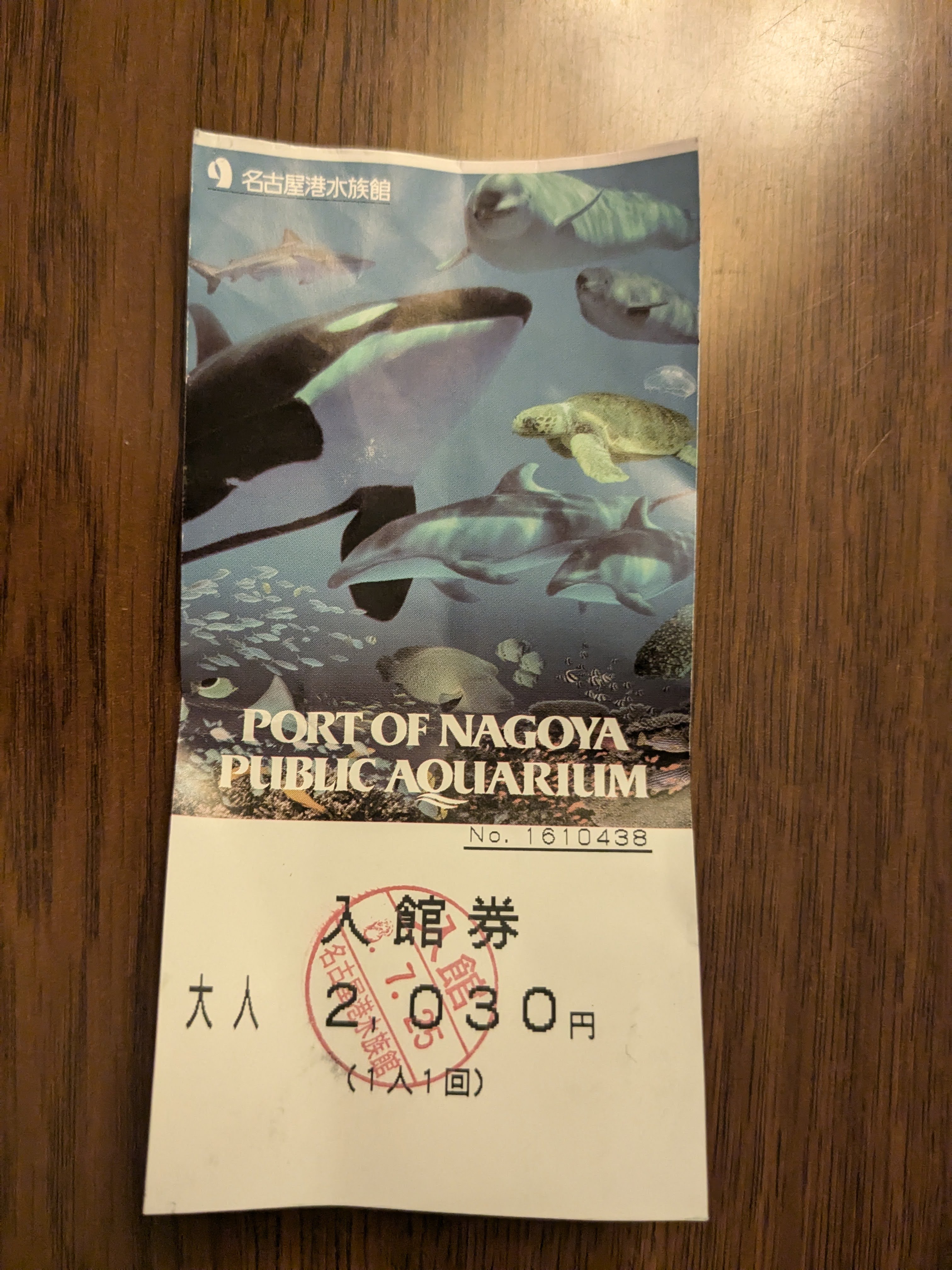
Late July 2024, Nagoya in summer heat. The city is notoriously hot and humid in the dog days of summer, but the aquarium air conditioning and the stone corridors of the castle proved excellent counter-programming. A packed 2-day trip covering Nagoya Port Aquarium, Nagoya Castle, and the unavoidable Nagoya meshi food experience.
Quick Facts
- Dates: July 25–26, 2024 (1 night, 2 days)
- Location: Nagoya City, Aichi Prefecture
- Access: ~1 hour 40 min from Tokyo by Shinkansen / ~50 min from Osaka
- Cost (per person, estimate): Transport + accommodation + food + entry fees → approx. ¥37,000–50,000 (US$247–333 at ¥150=US$1). See the full cost breakdown in the travel guide for the itemized list
- Weather: Extremely hot (midsummer inland city)
Day 1: Nagoya Port Aquarium
The Aquarium as Summer Strategy
Midsummer Nagoya is merciless. The decision to make the aquarium the first stop was basically a survival choice: air conditioning. But Nagoya Port Aquarium turned out to be genuinely impressive—not just a cool place to hide from the heat.
The facility is split into a North Building and a South Building. The South Building houses the star attractions: orcas and dolphins, performing in an enormous pool. The South Building’s main tank holds shows with a scale and energy that filled the stands.
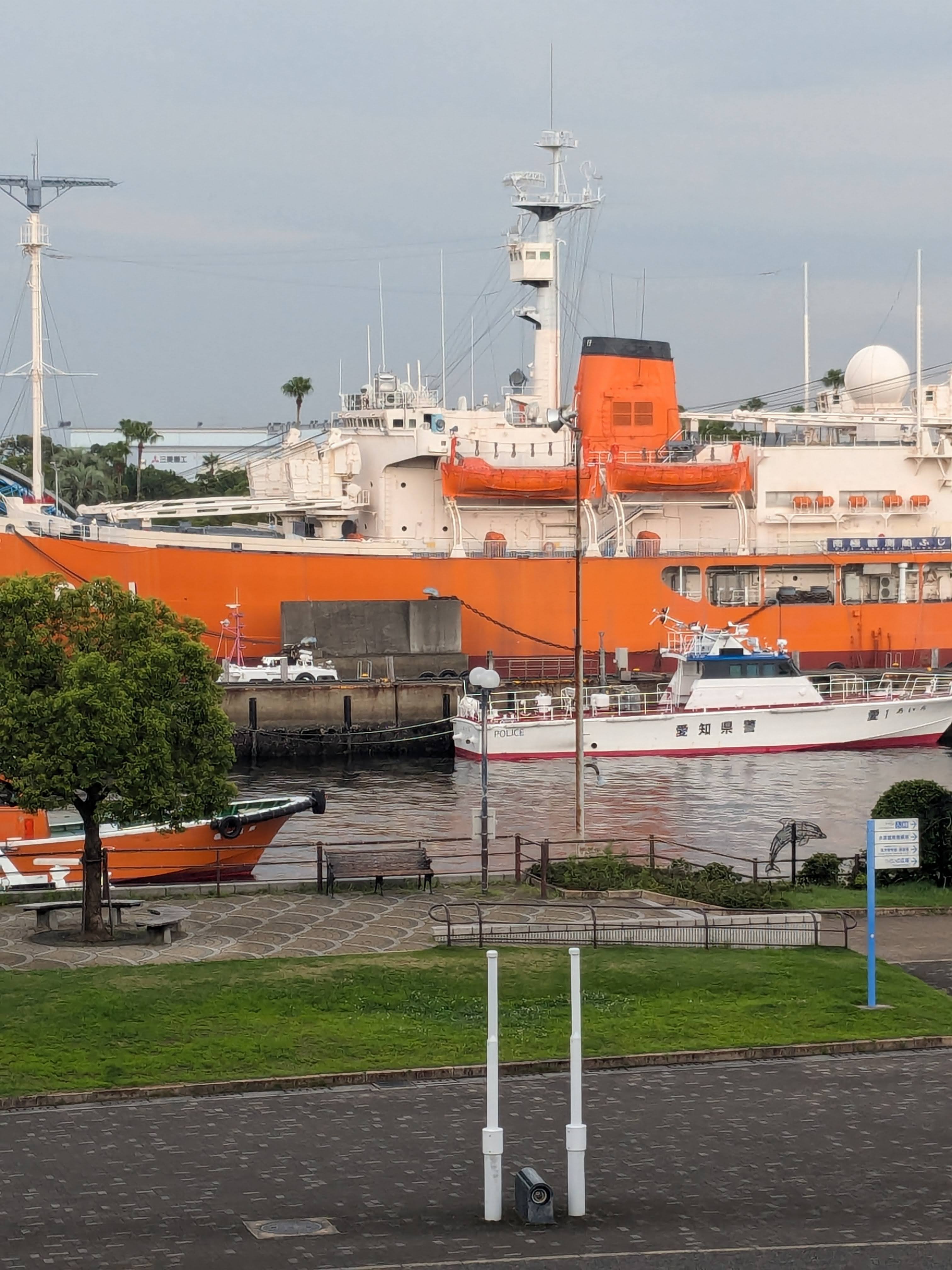
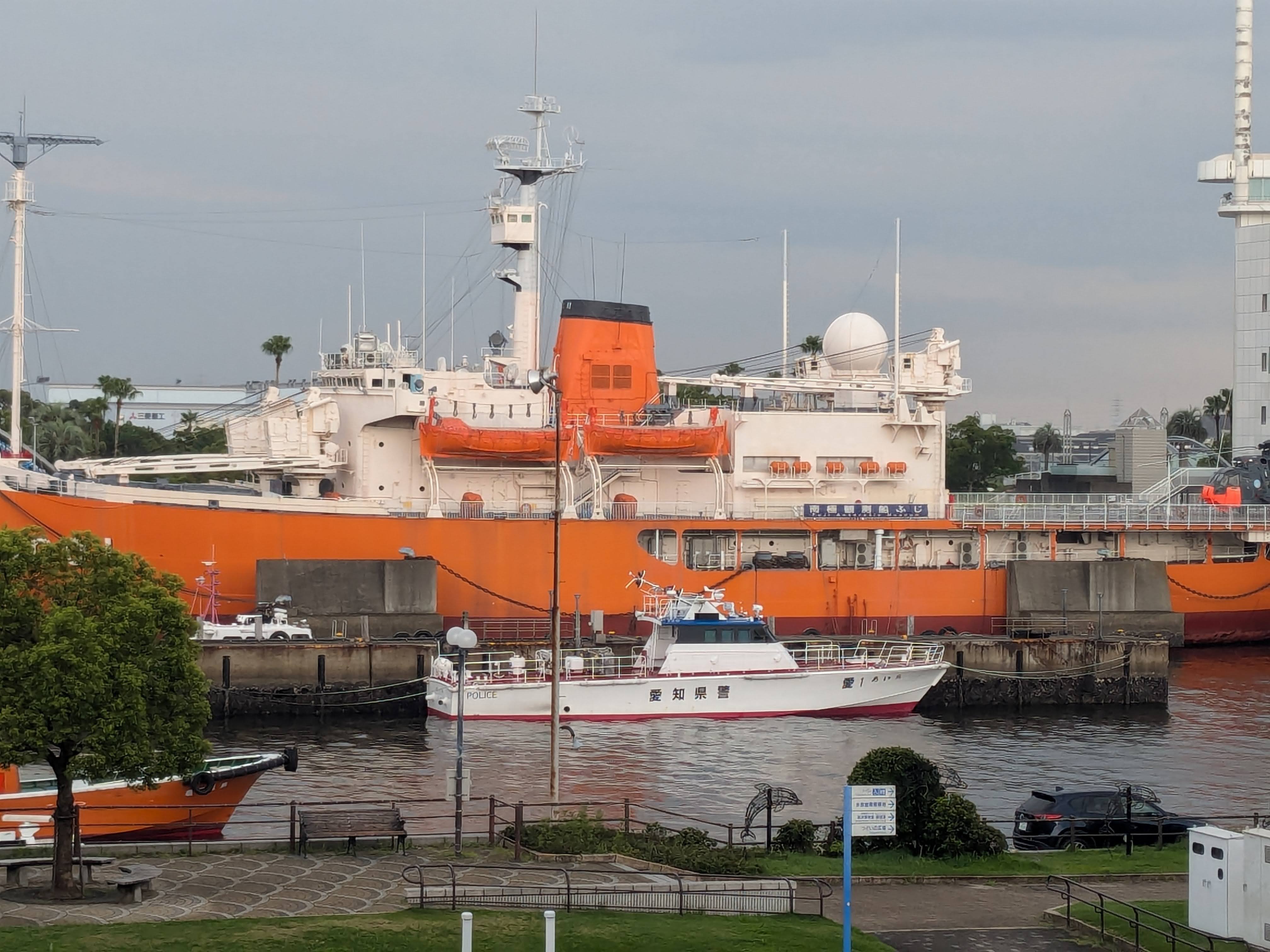
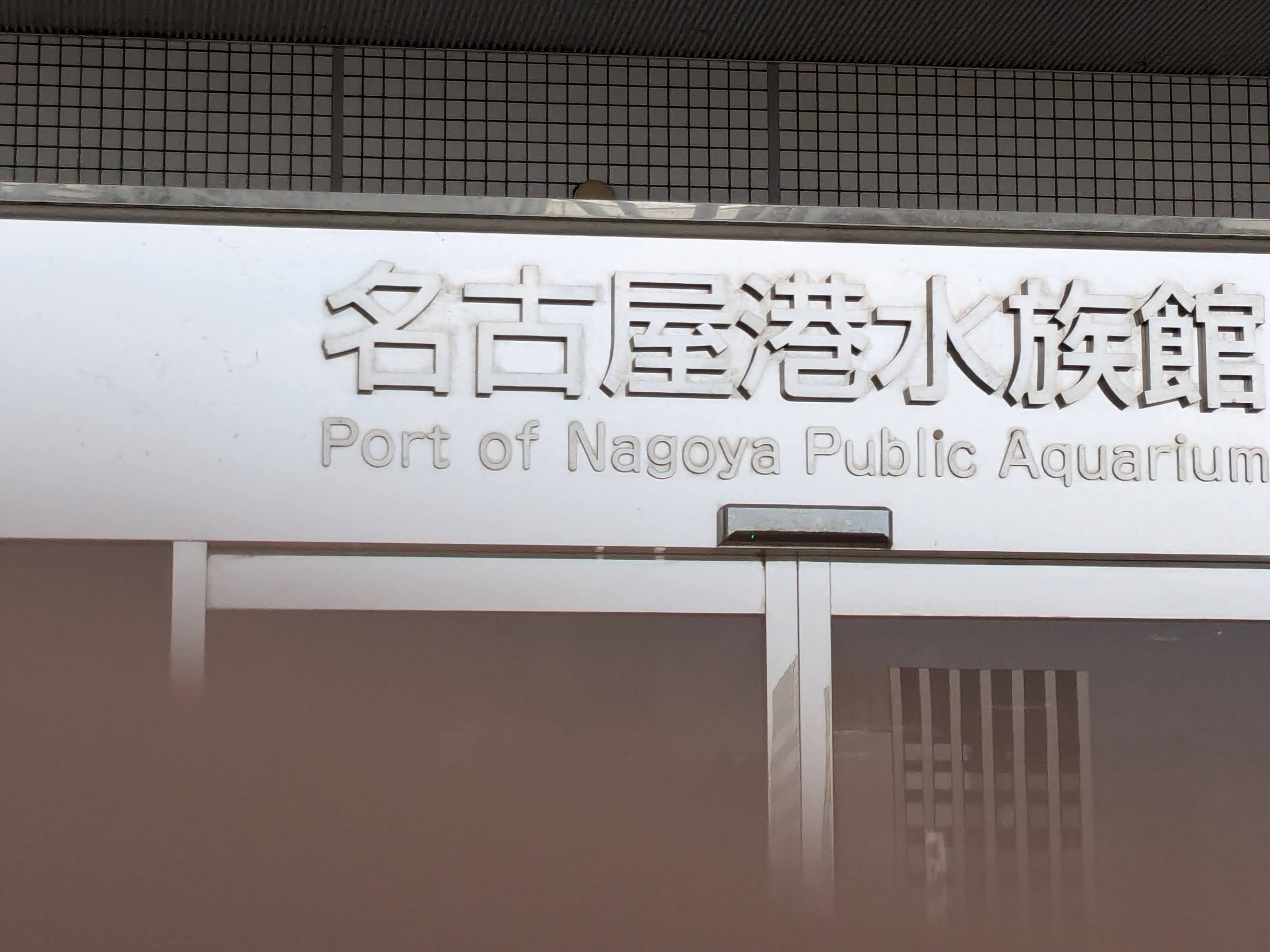
 ▲ The entrance to Nagoya Port. The aquarium and port area are visible from the approach
 ▲ Nagoya Port Aquarium exterior. A large facility right at the edge of the port
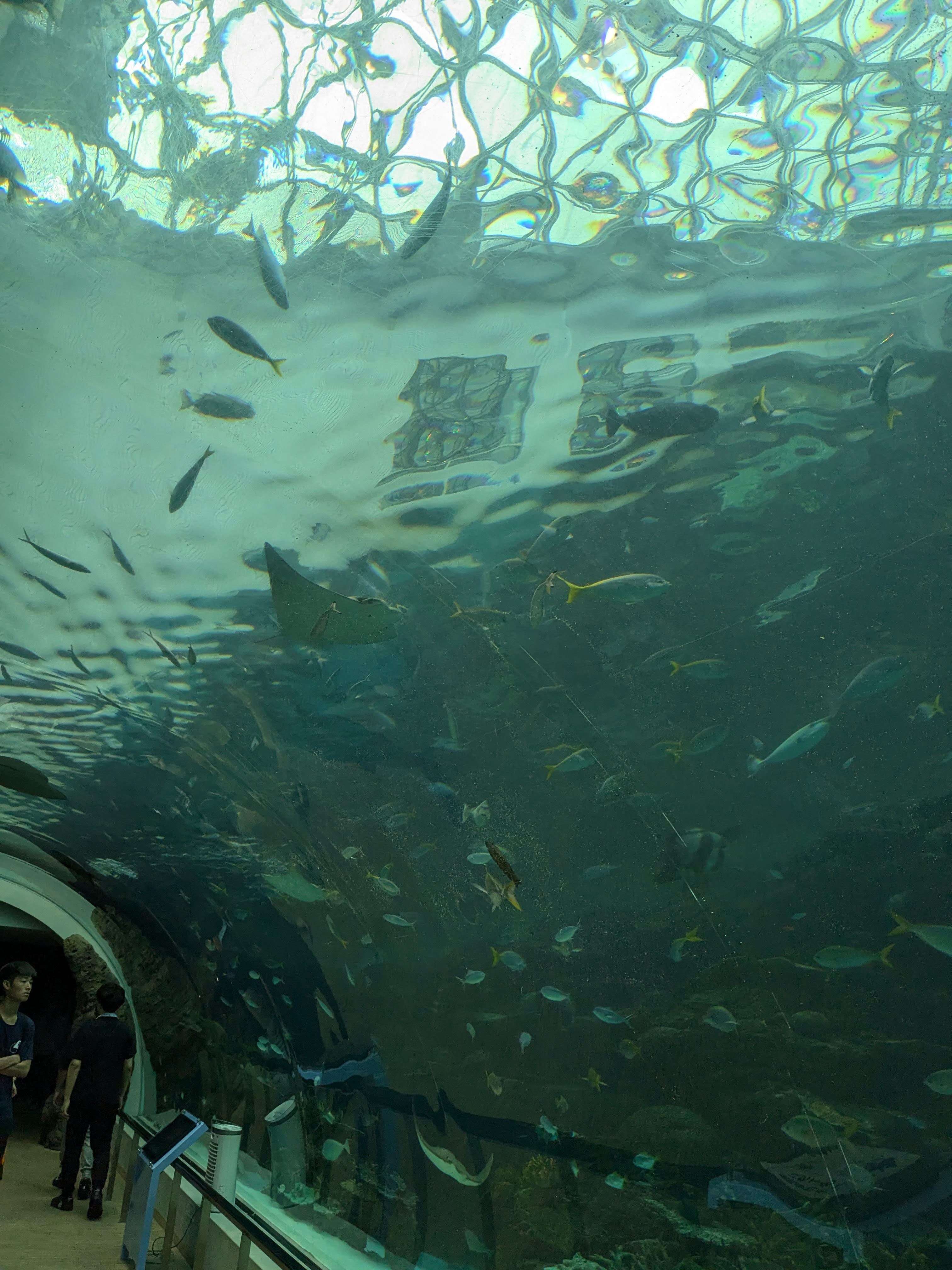
 ▲ The large main tank. Fish and other marine animals fill the water in all directions
 ▲ A school of fish in the tank. The volume and variety of fish are immediately striking
 ▲ More fish in the display tank. Different species moving in different layers of the water
 ▲ Fish swimming past in the large tank. The scale of the tank makes it feel like standing on the ocean floor
 ▲ Close-up of the tank. Individual fish become visible at a distance of a metre or two
 ▲ Tropical fish display. Vivid colours and unfamiliar shapes
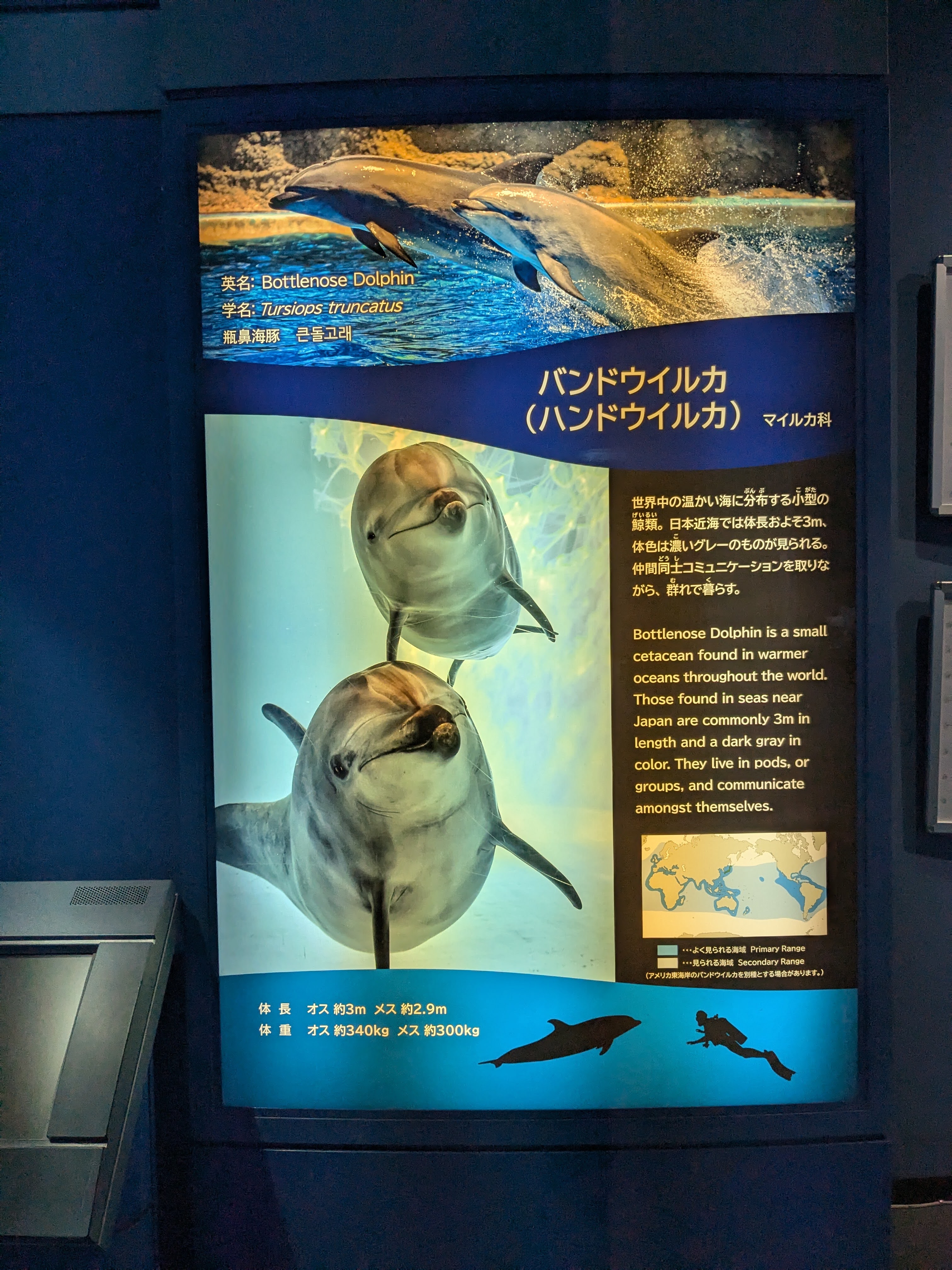
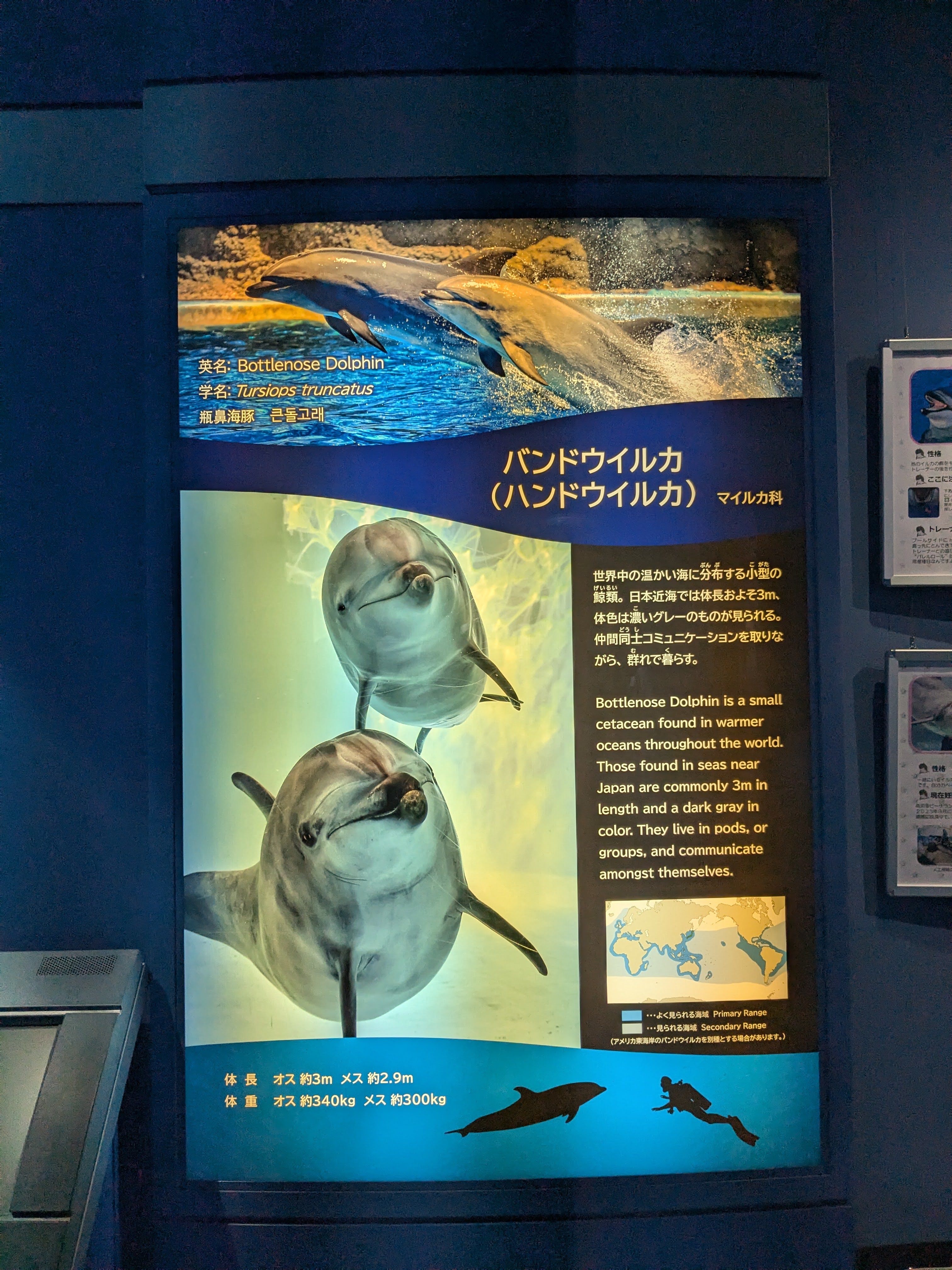
The dolphins were in their pool, and the crowd around the performance area was already building. The movement and size of the animals at close range is a different experience from a TV screen.
 ▲ The dolphin pool area. A crowd is already gathering around the performance space
 ▲ Dolphins in motion during the performance. Water everywhere
 ▲ Dolphin performance in full swing. The athleticism involved in these animals’ movements is hard to appreciate until you see it live
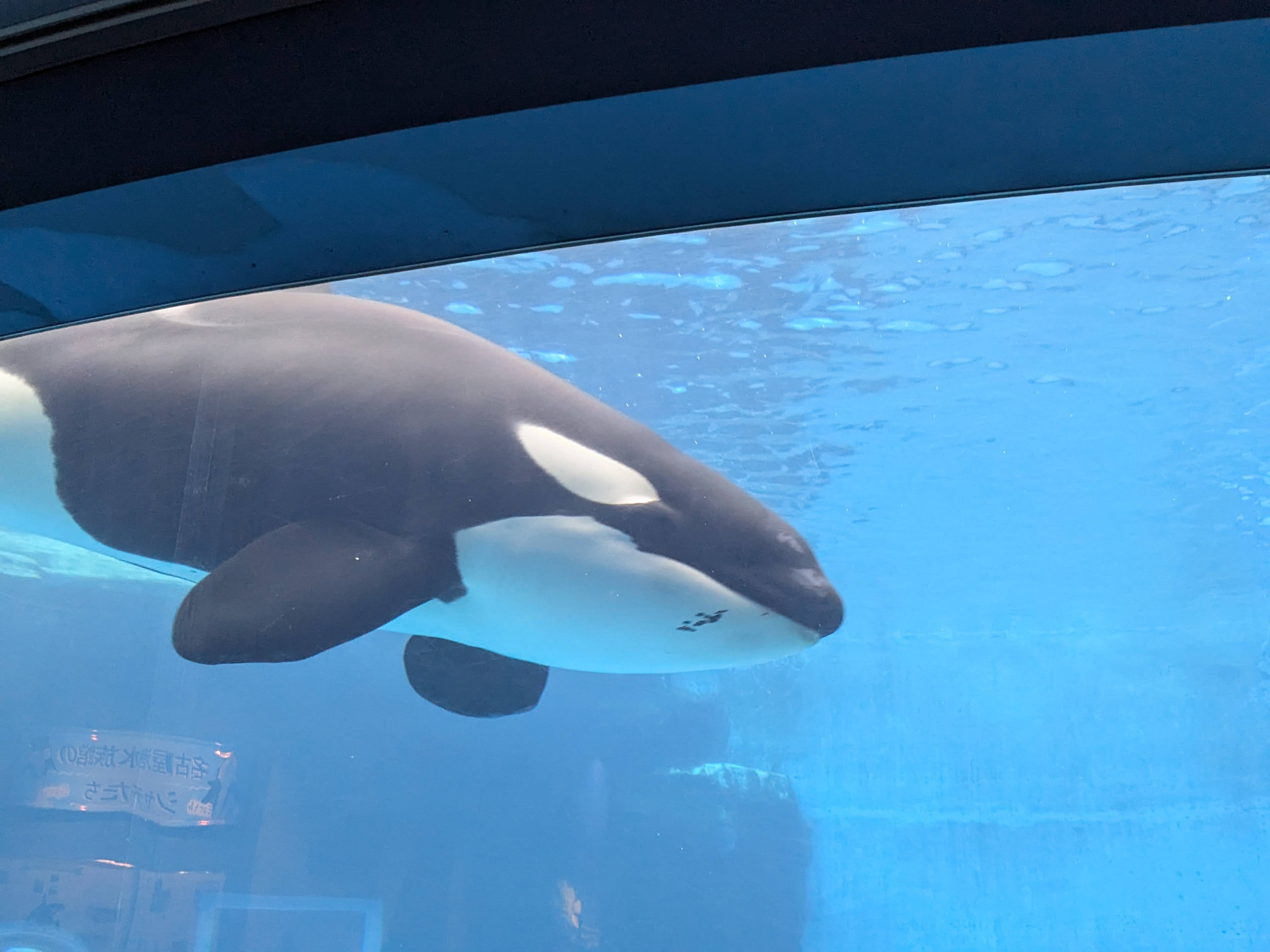
Then the orca pool. The scale of an orca in person is something that photos can’t fully communicate. These animals are significantly larger than most people expect.
 ▲ The orca pool. The black and white animals are immediately visible through the glass
 ▲ An orca in the performance. The splash radius from the water impact is substantial enough to reach the audience
 ▲ The orca up close. The size and power of the animal are impossible to miss at this distance
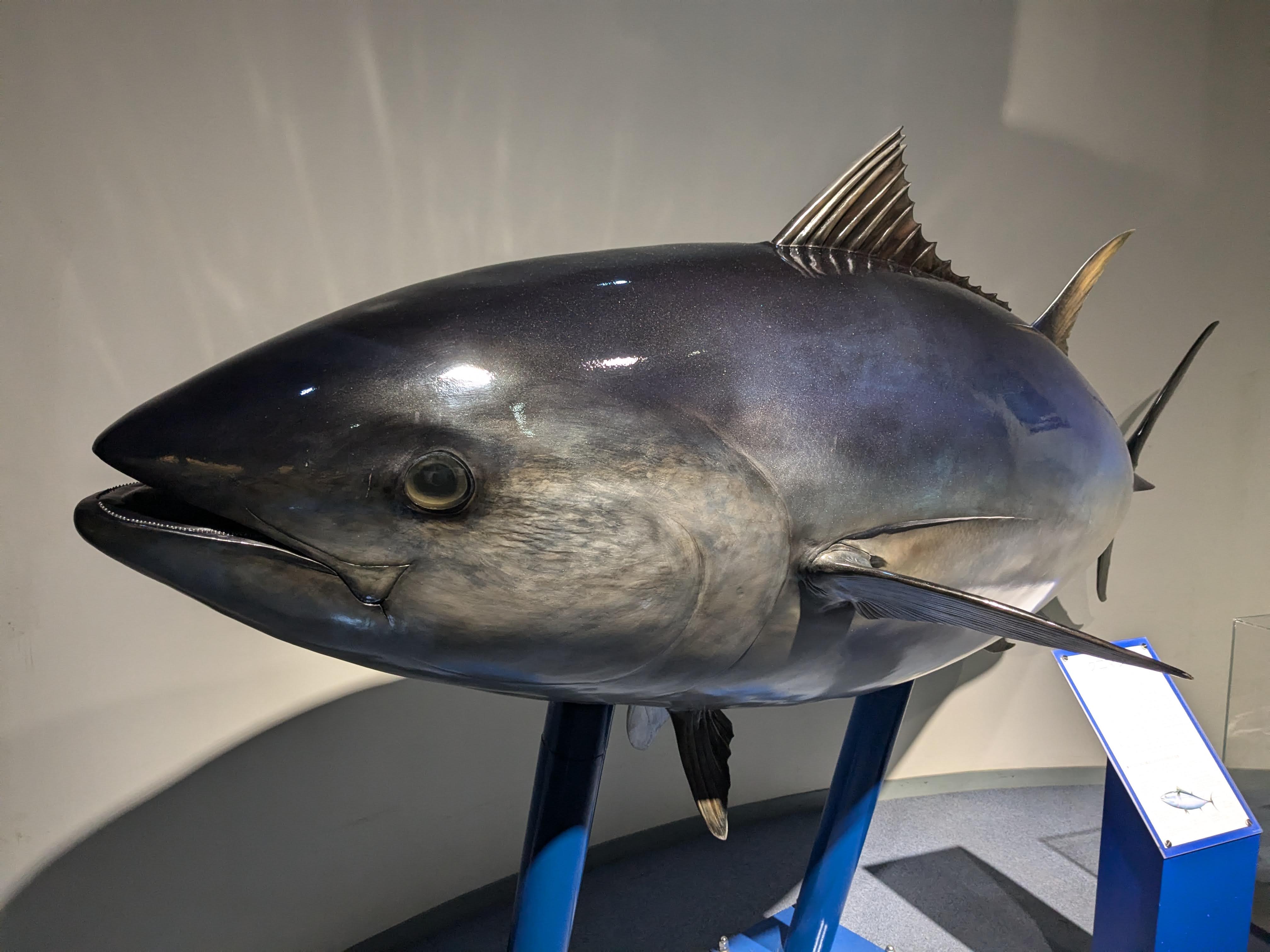
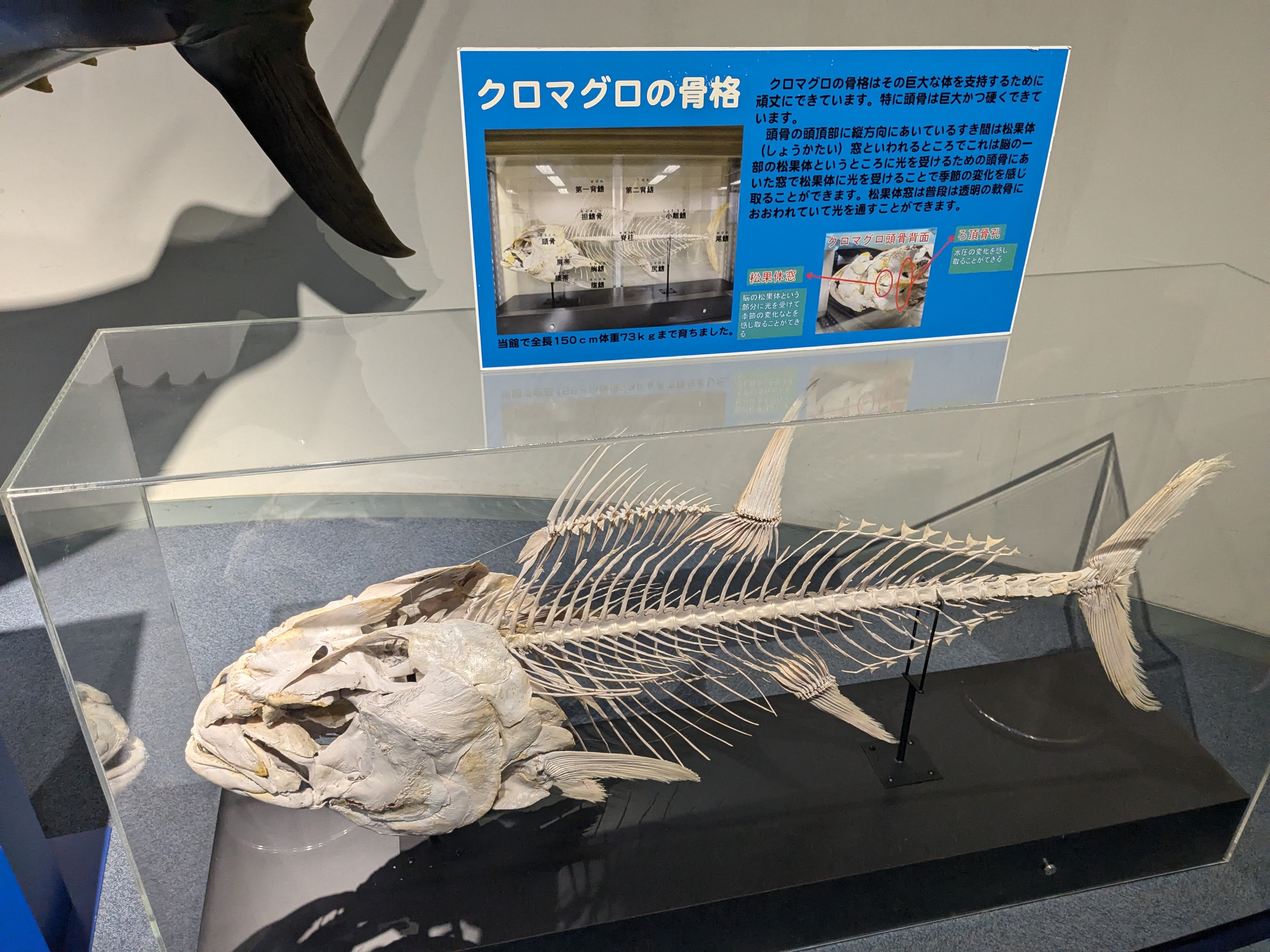
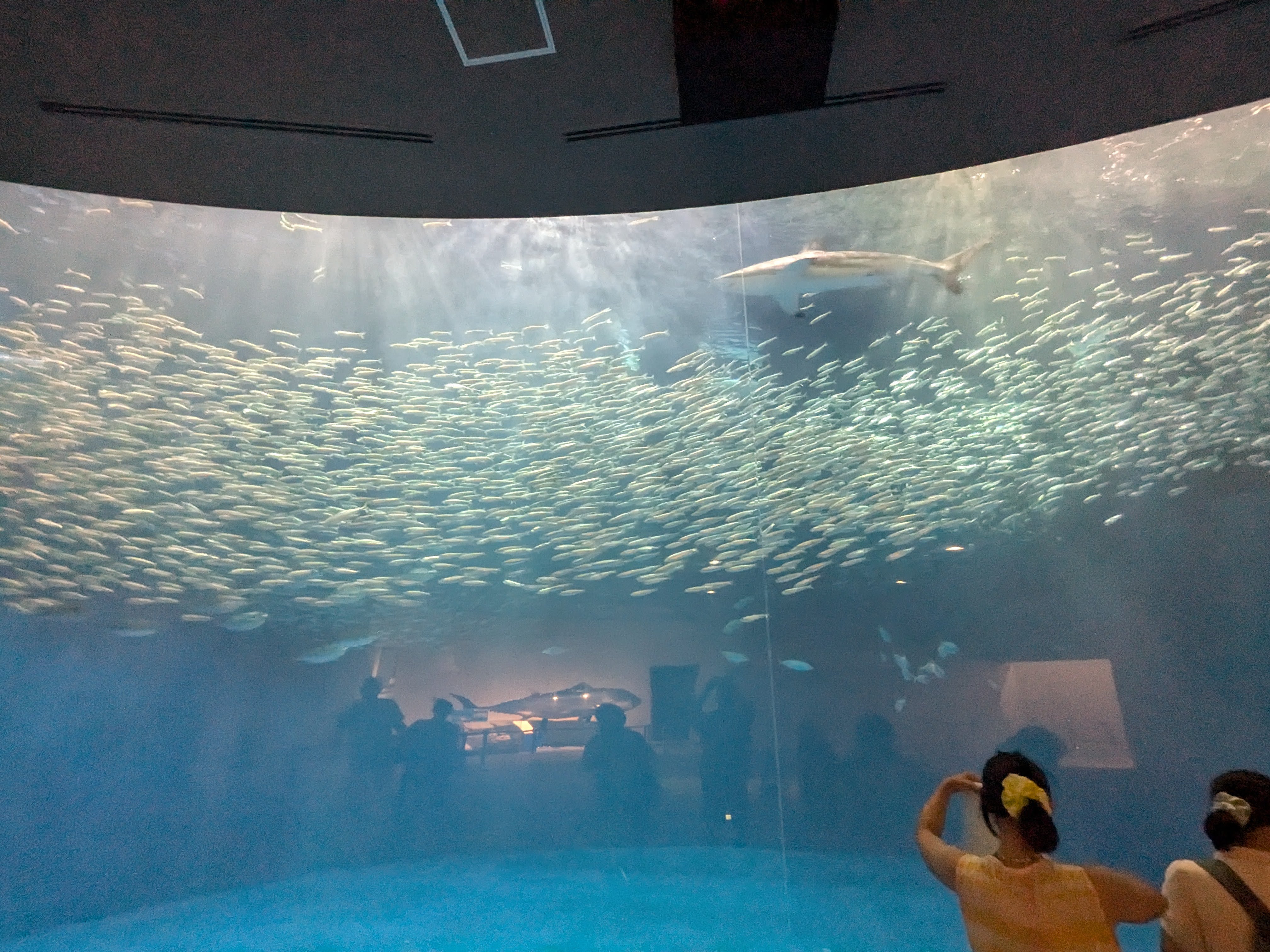
The North Building covers deep-sea creatures, sea turtle breeding, and more. The tuna display—a school of large fish circling a cylindrical tank—was hypnotic.
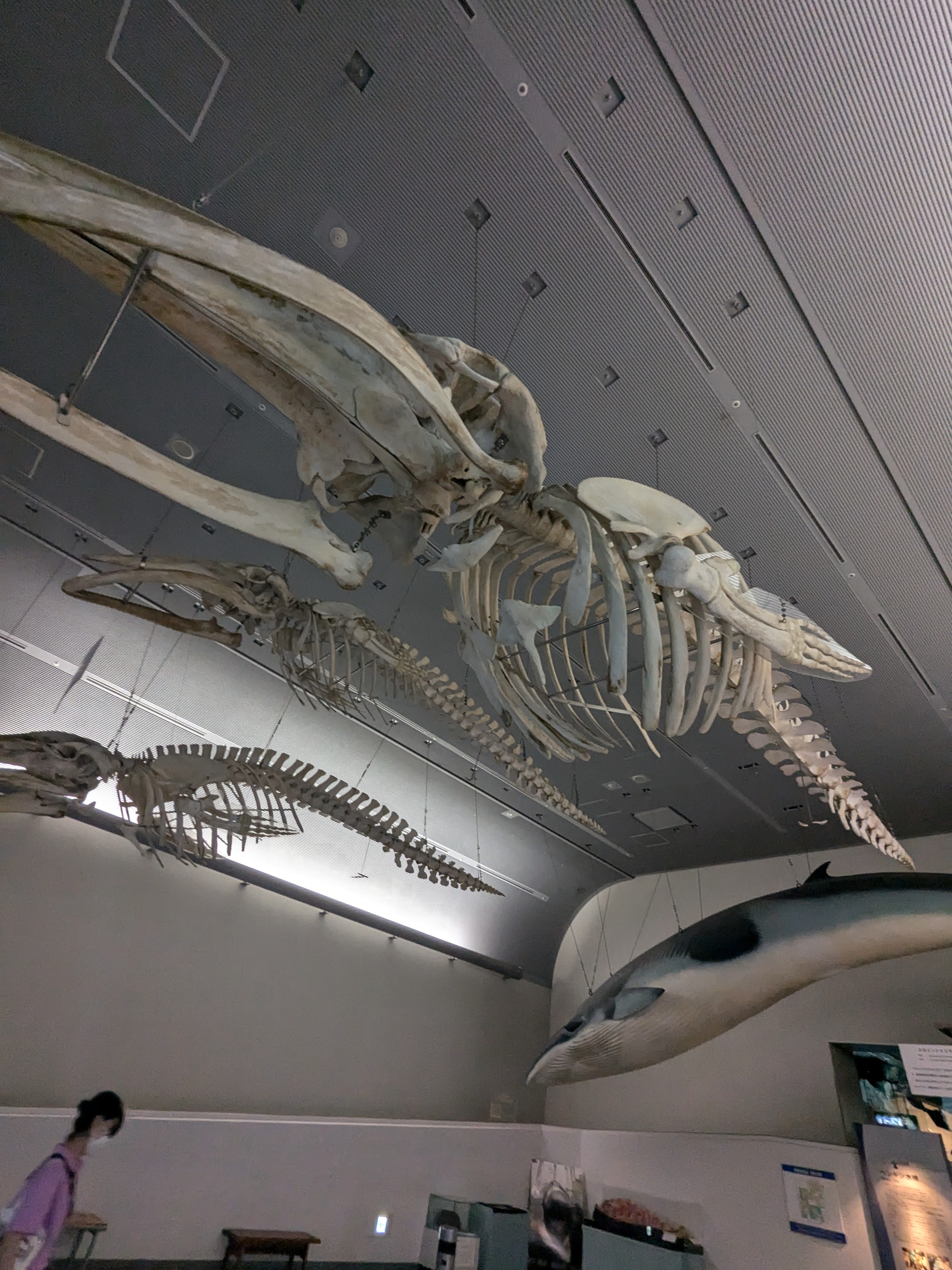 ▲ Aquarium display case 1. Specimens and explanatory materials
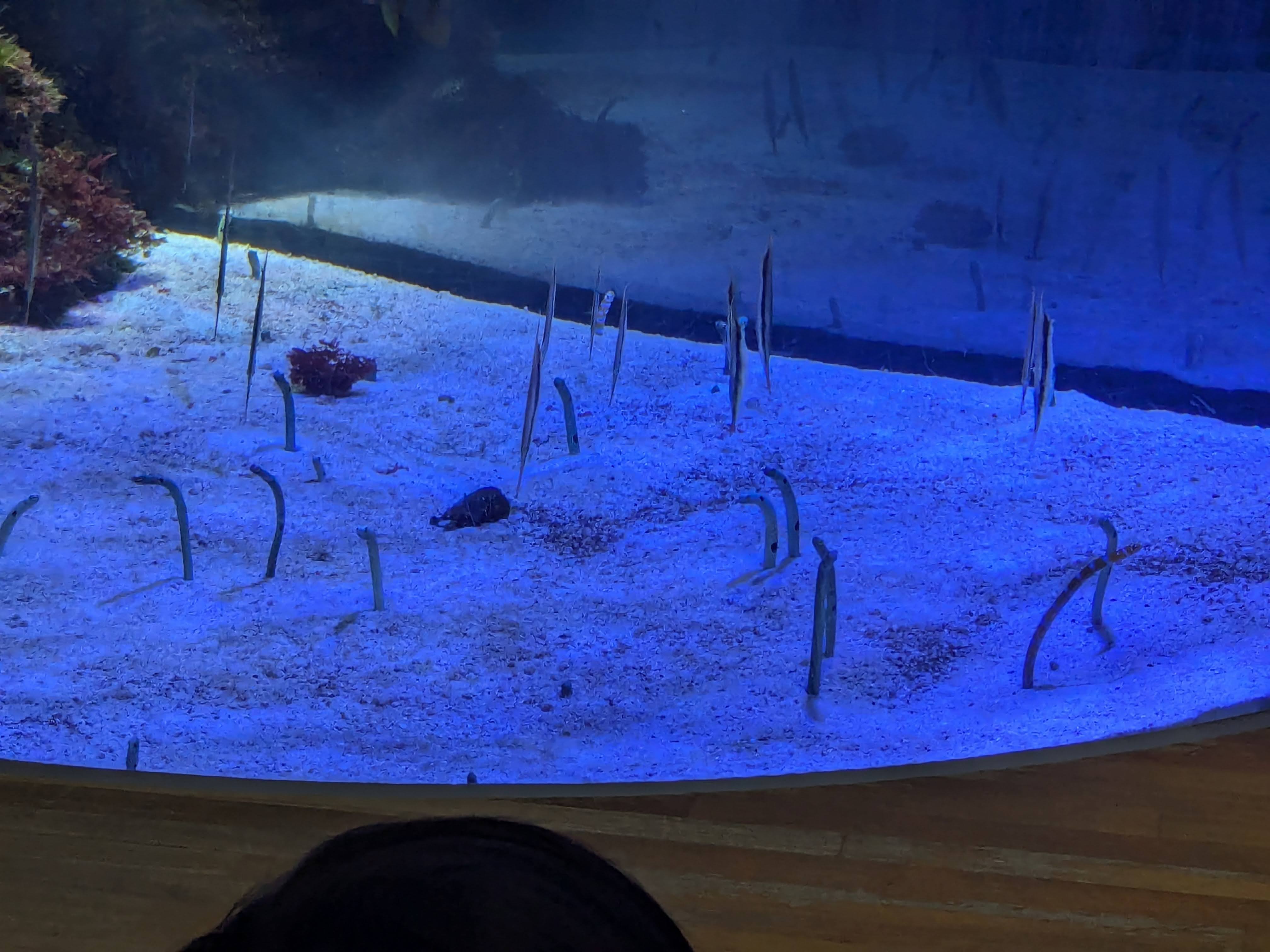
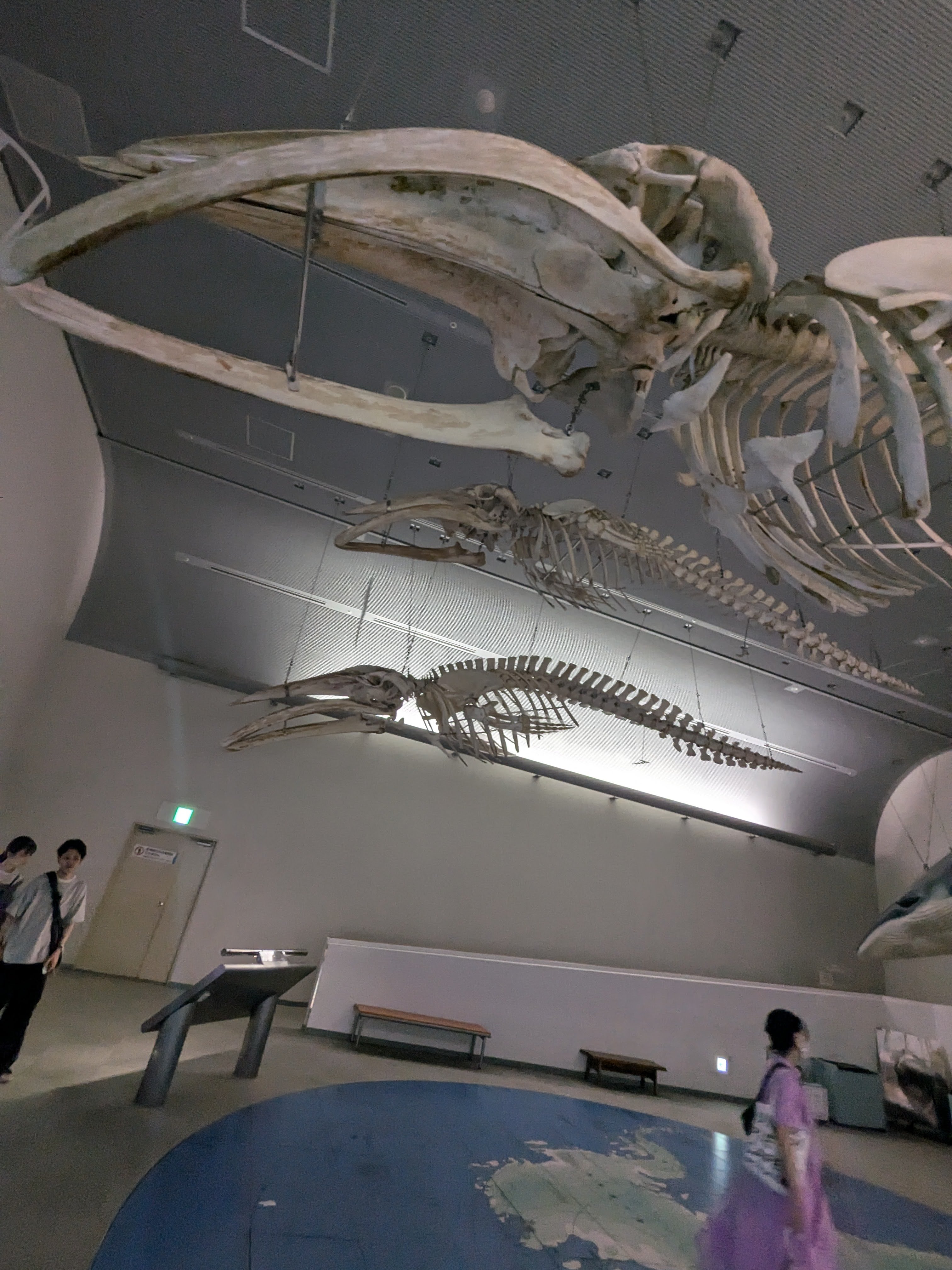 ▲ Display case 2. Different types of marine environments are recreated in separate sections
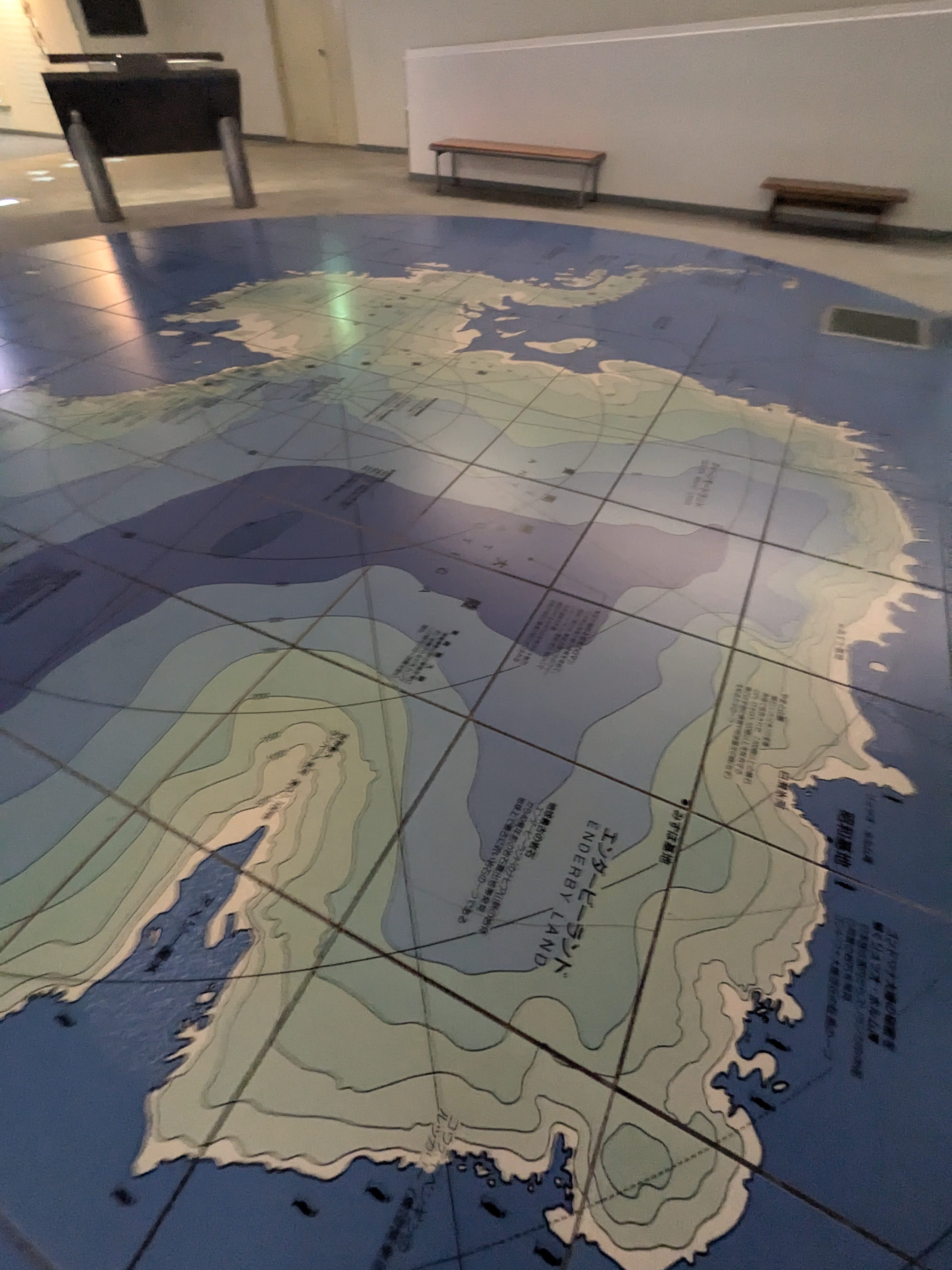 ▲ Display case 3. The exhibits in the North Building range from the familiar to the genuinely unusual
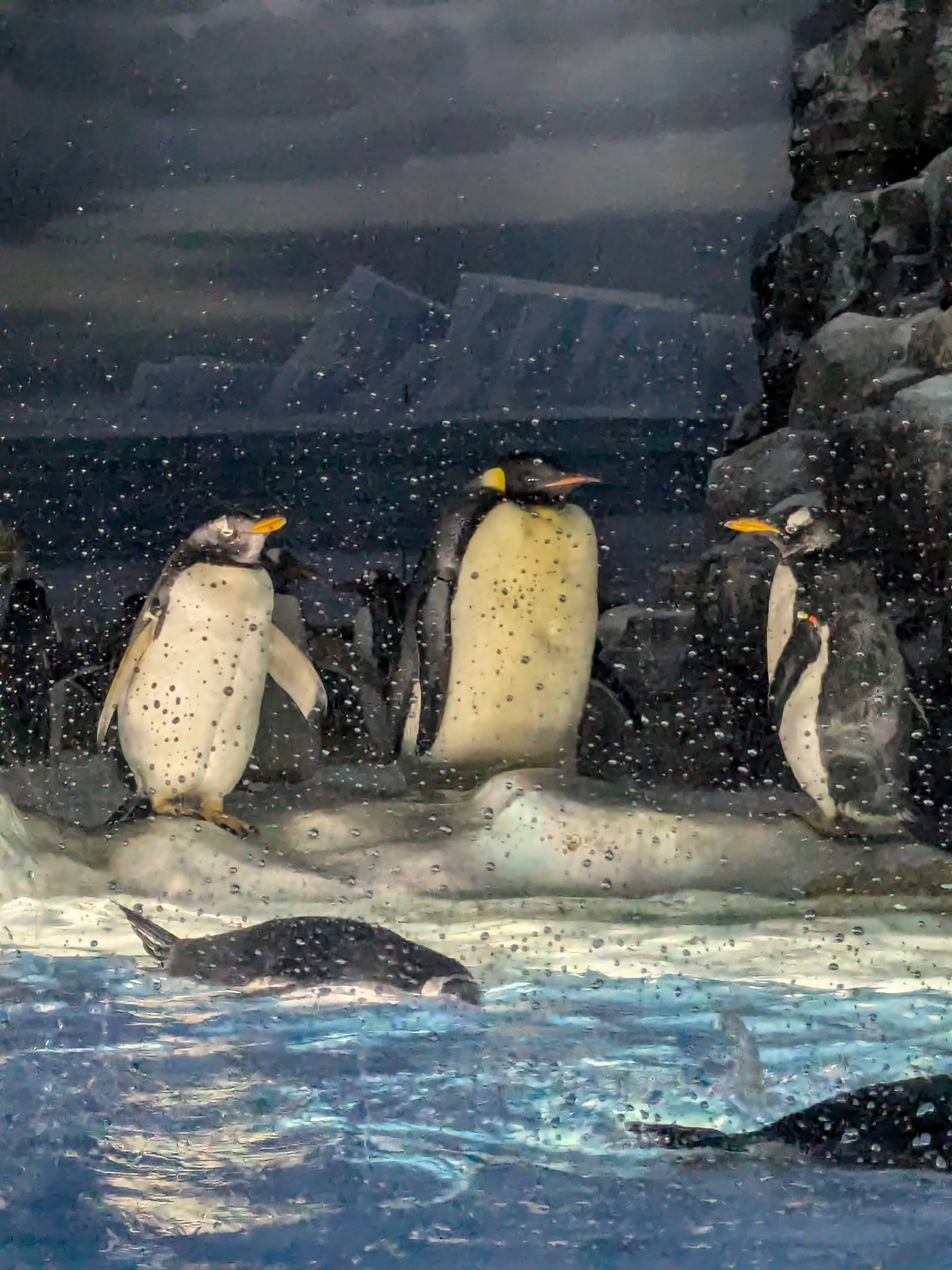 ▲ Walking through the aquarium. The corridors allow viewing from multiple angles
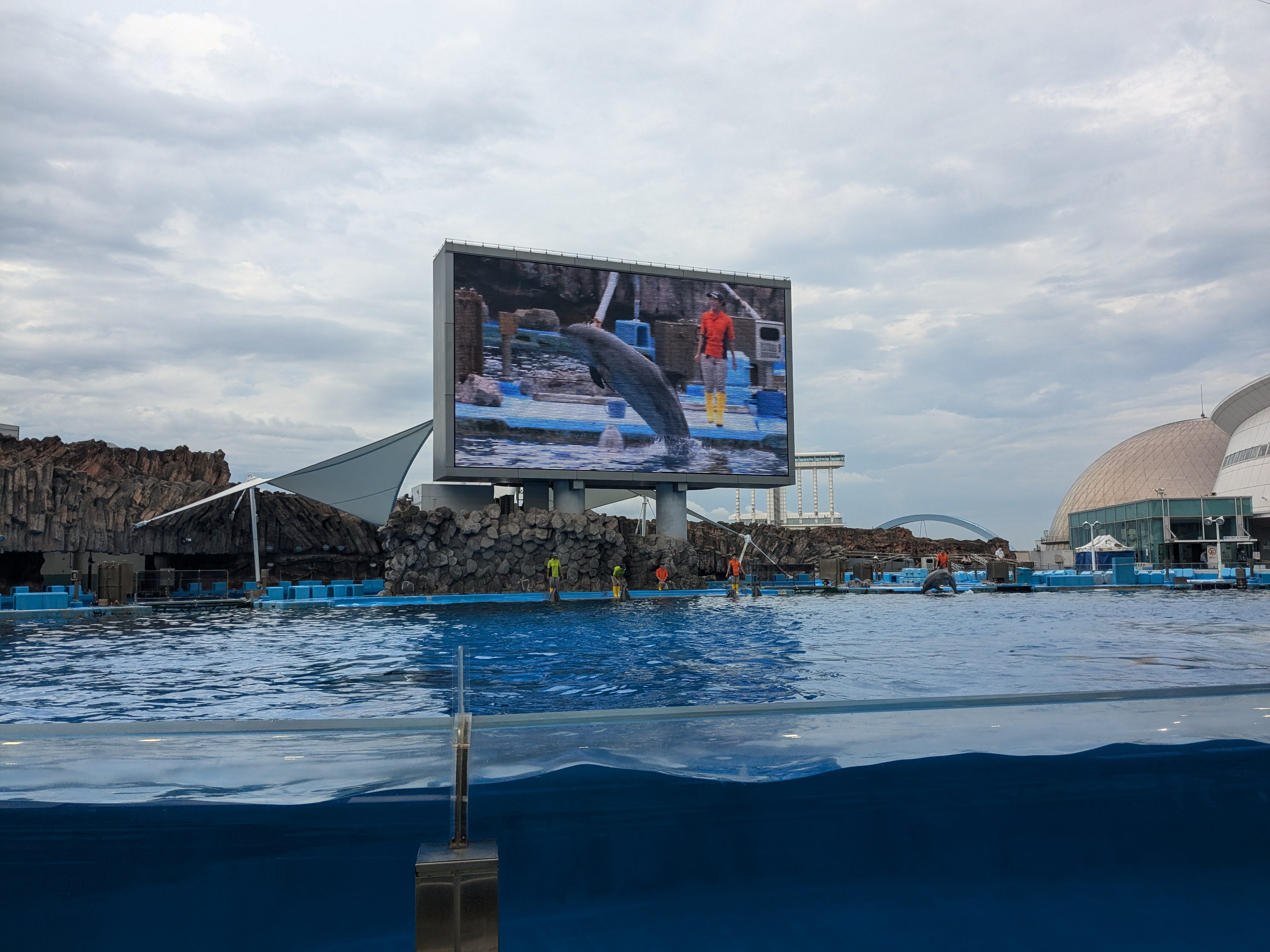 ▲ Deep-sea exhibit. Creatures that look like they belong in a different planet rather than the same ocean we swim in
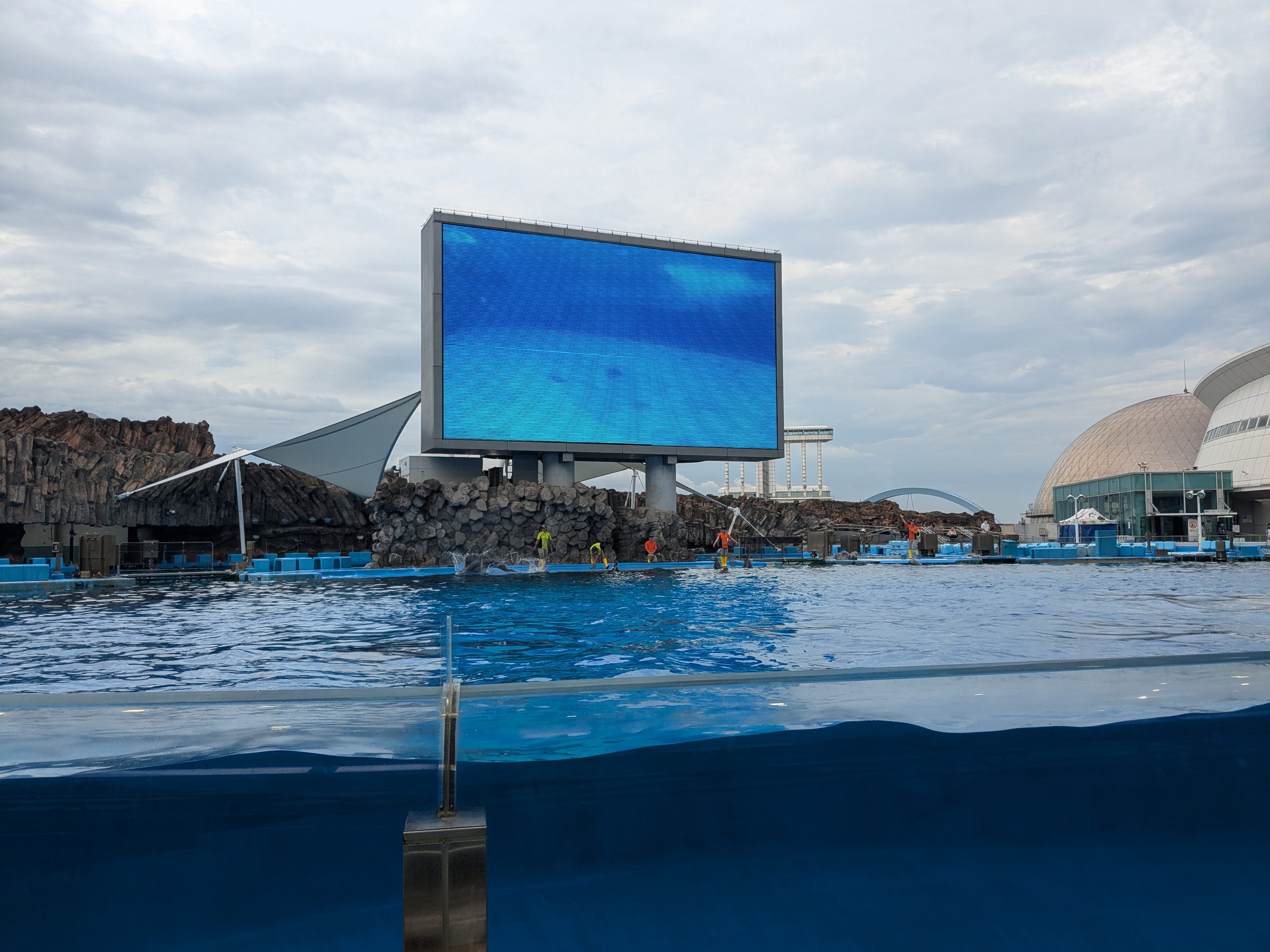 ▲ An unusual-looking deep-sea creature up close
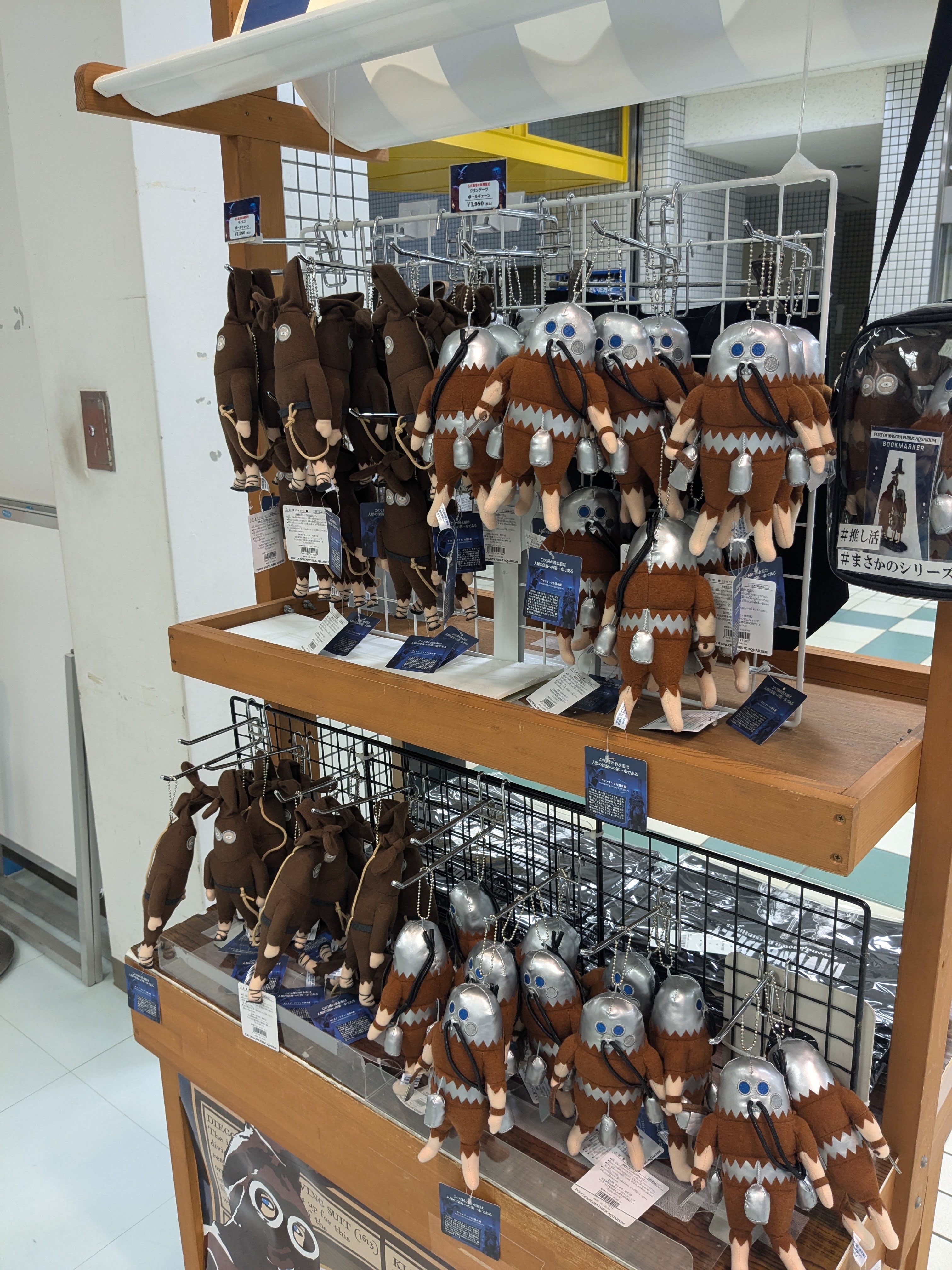 ▲ Final exhibit of the aquarium tour. The visit ends near the port exit
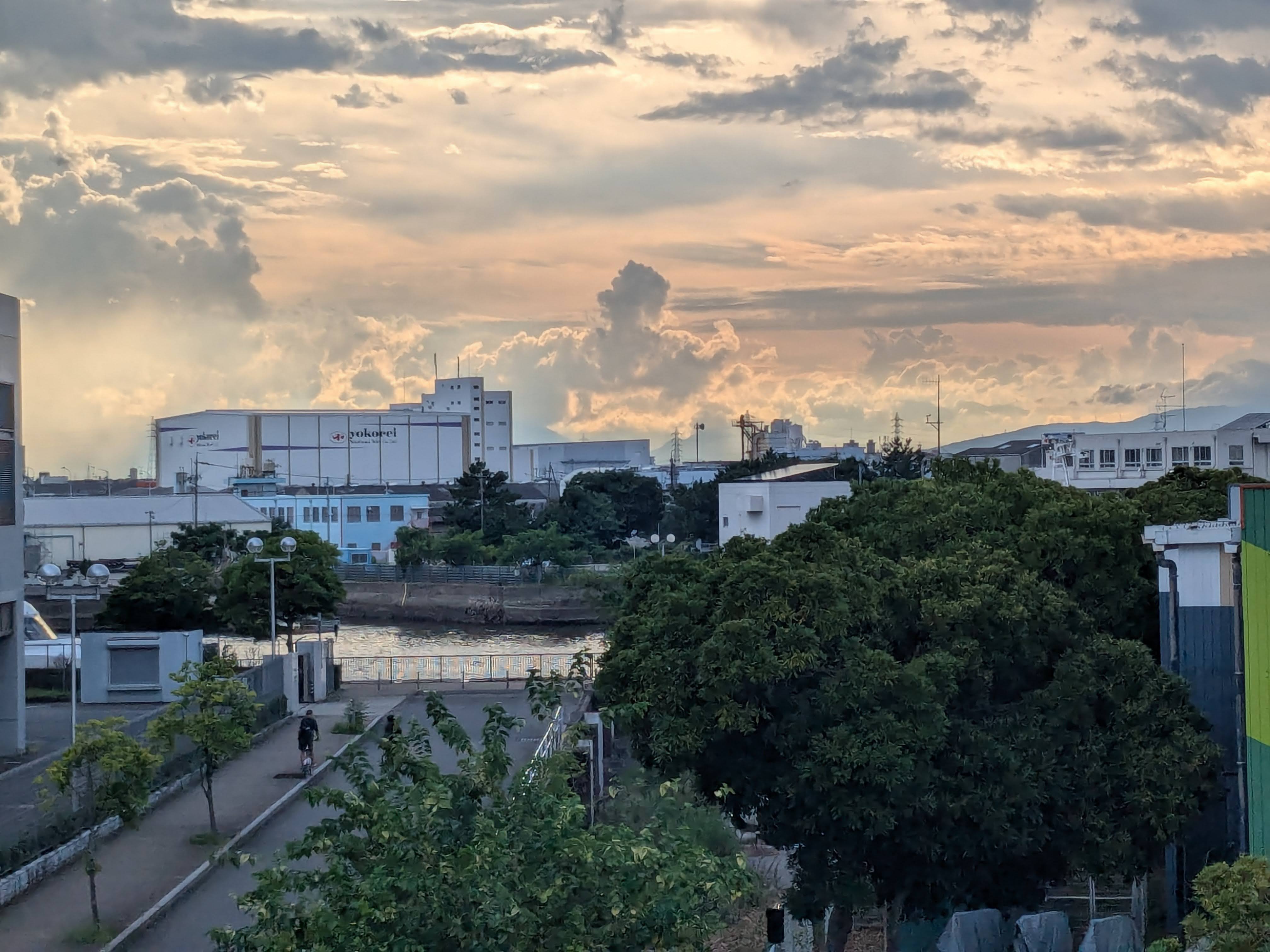 ▲ The outdoor port area visible from the aquarium exit. Industrial port and water views
Evening: Tebasaki (Chicken Wings)
Nagoya has its own distinct food culture—Nagoya meshi—and the most famous item on that menu is tebasaki: chicken wings seasoned with spicy salt and pepper, then coated in a sweet-spicy sauce. The contrast is addictive, and the pairing with cold beer makes perfect sense.
Nagoya tebasaki is not what most people expect from chicken wings. They’re deep-fried plain first, then tossed in the sauce, giving a combination of crispy skin, juicy meat, sweet-spicy glaze, and black pepper that’s unlike anything sold outside the city.
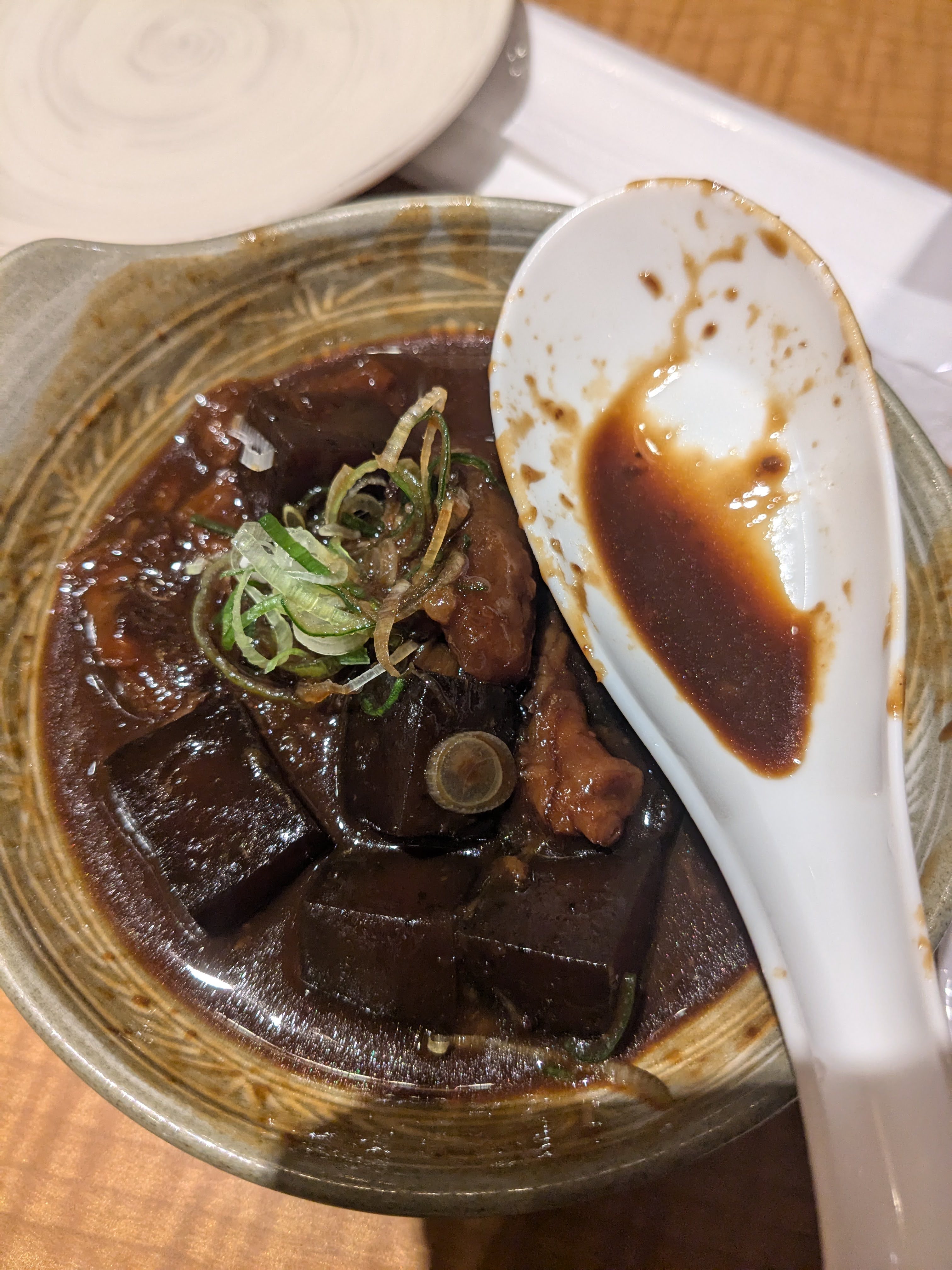 ▲ Tebasaki chicken wings plated up. The coating catches the light
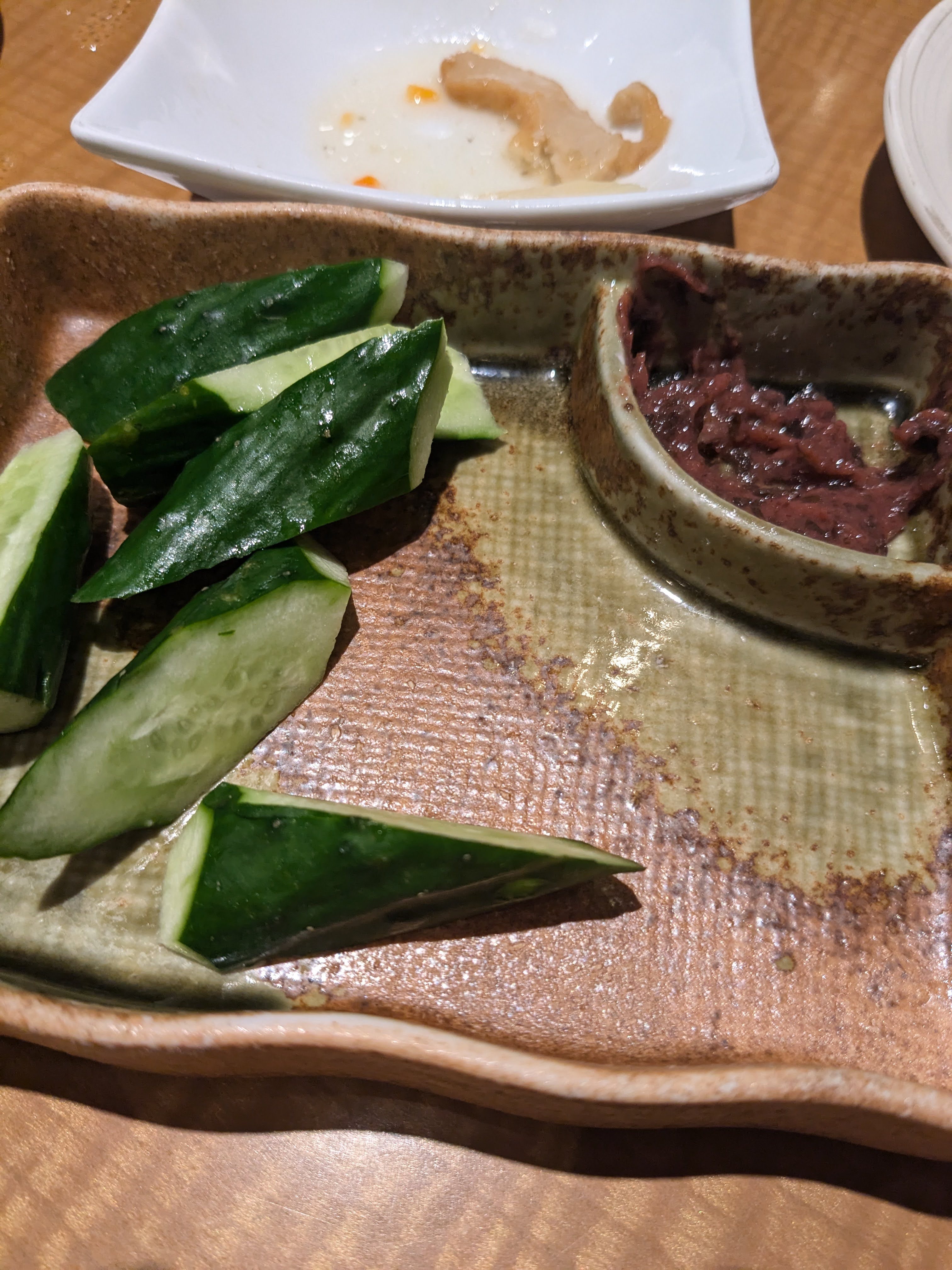 ▲ Tebasaki close up. The sauce coating is visible—dark, sweet-spicy, and slightly sticky
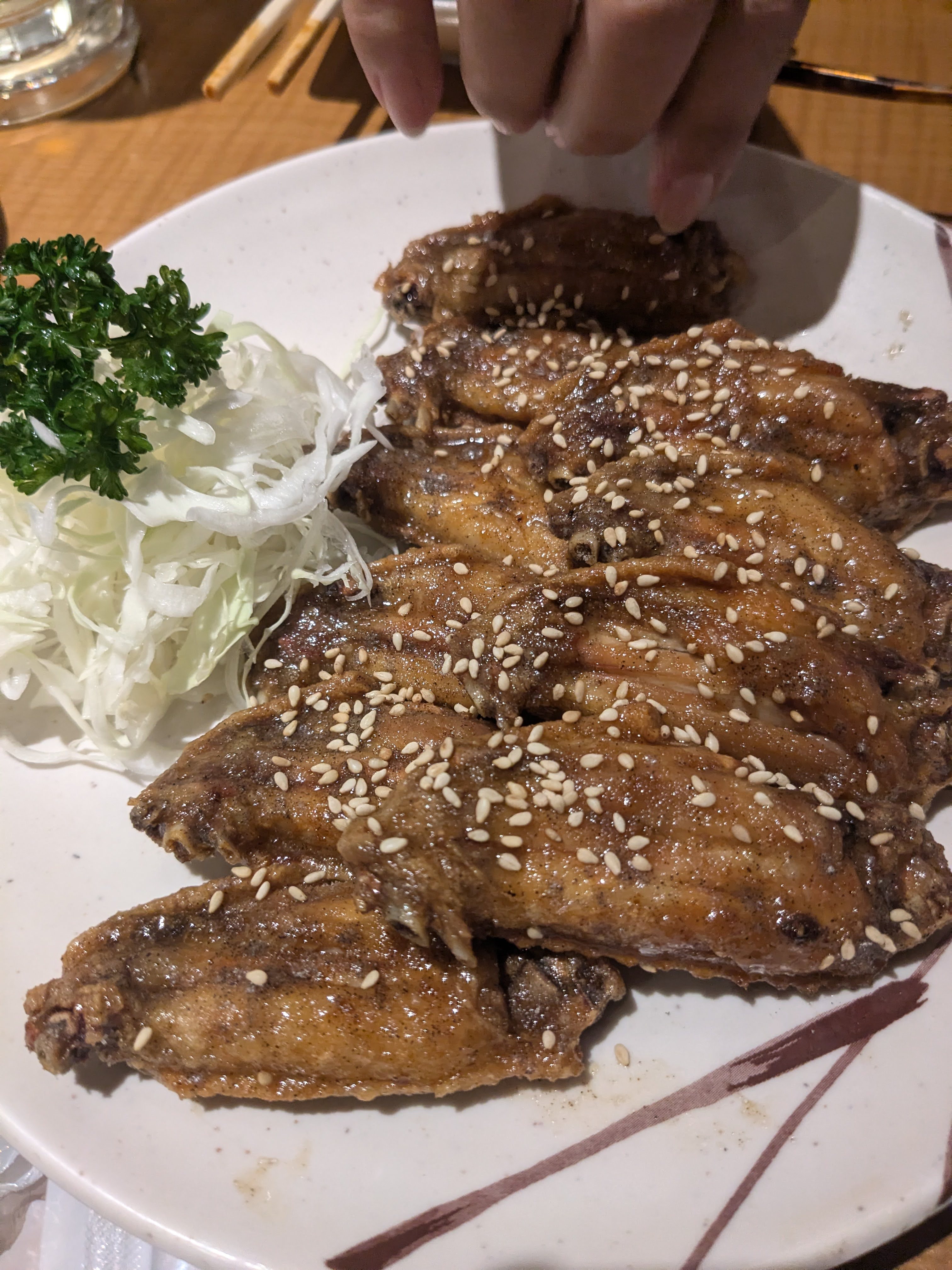 ▲ Full Nagoya meshi dinner spread
 ▲ Cold beer with the tebasaki. The combination is intentional and excellent
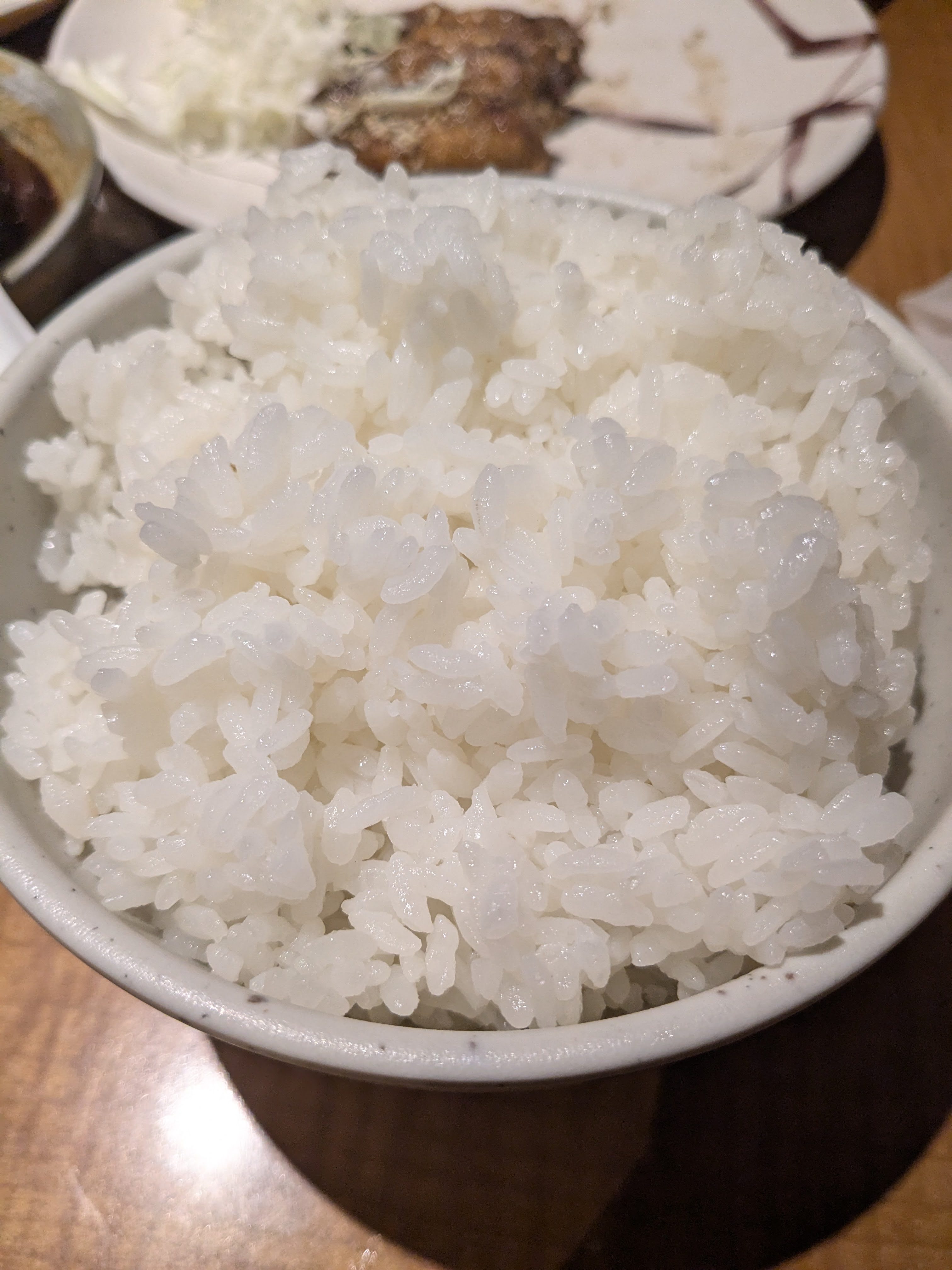
 ▲ The whole dinner table by the end. A satisfying first-day meal in Nagoya
Day 2: Nagoya Castle
The Castle and the Honmaru Goten
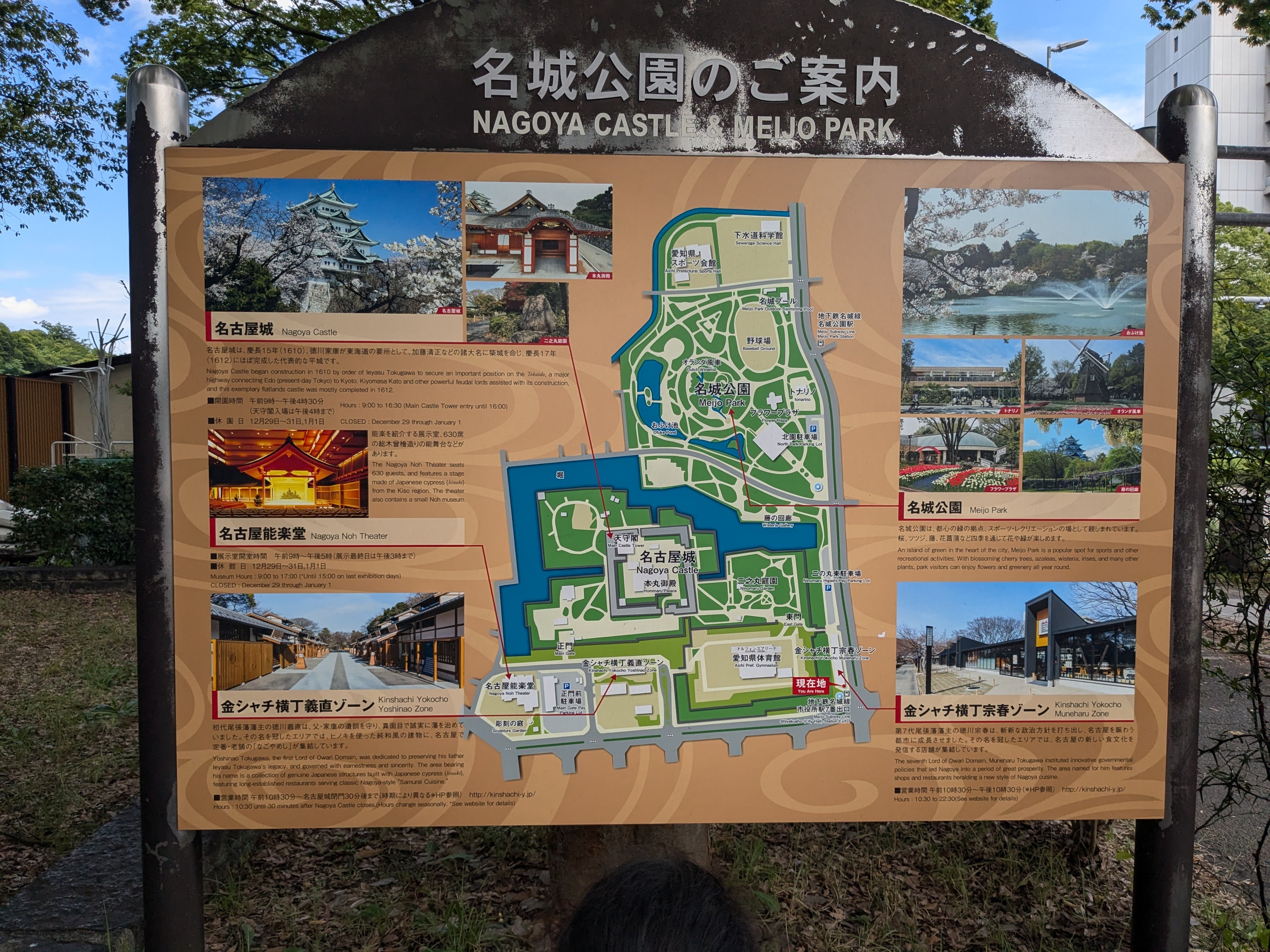
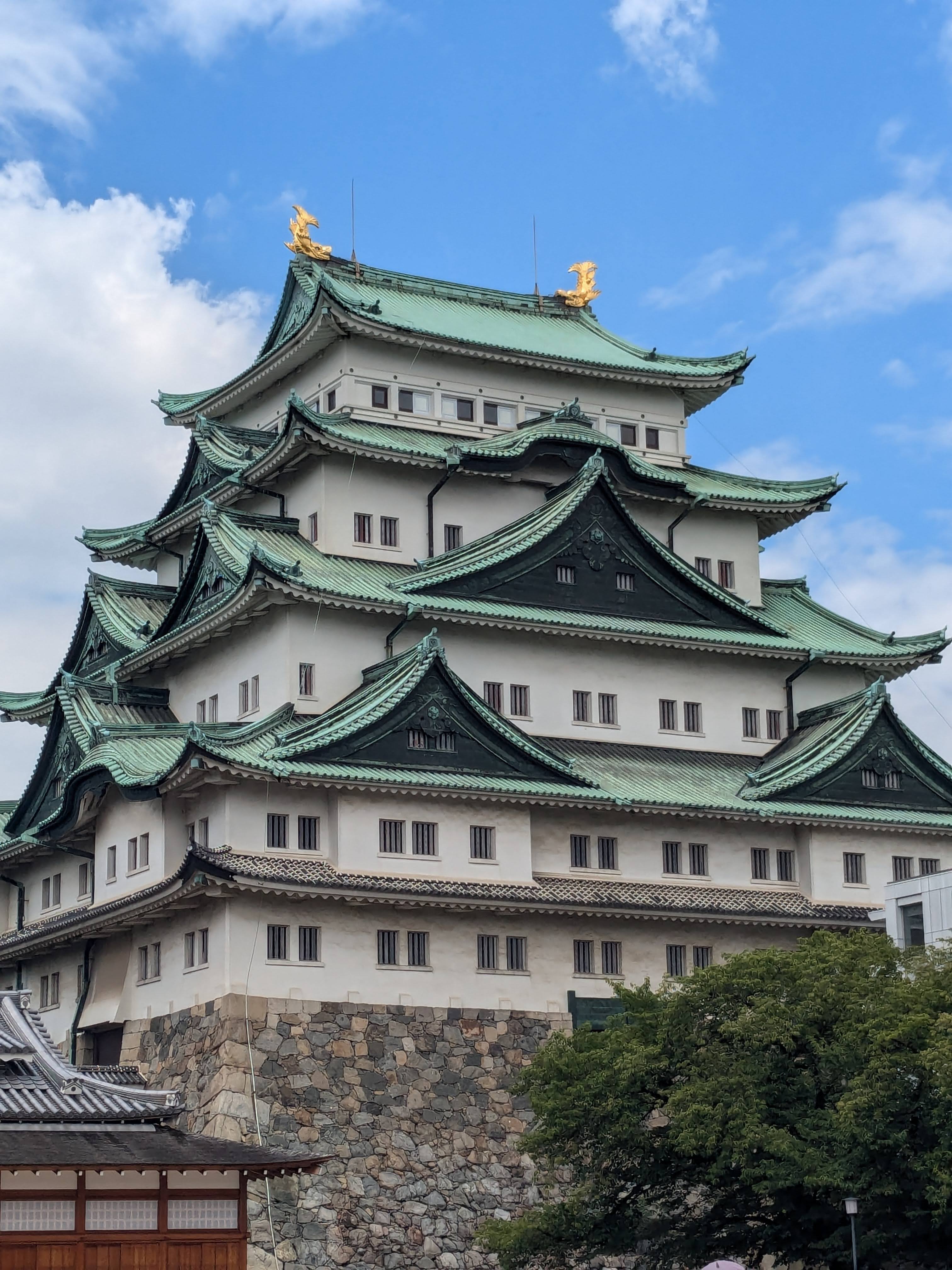
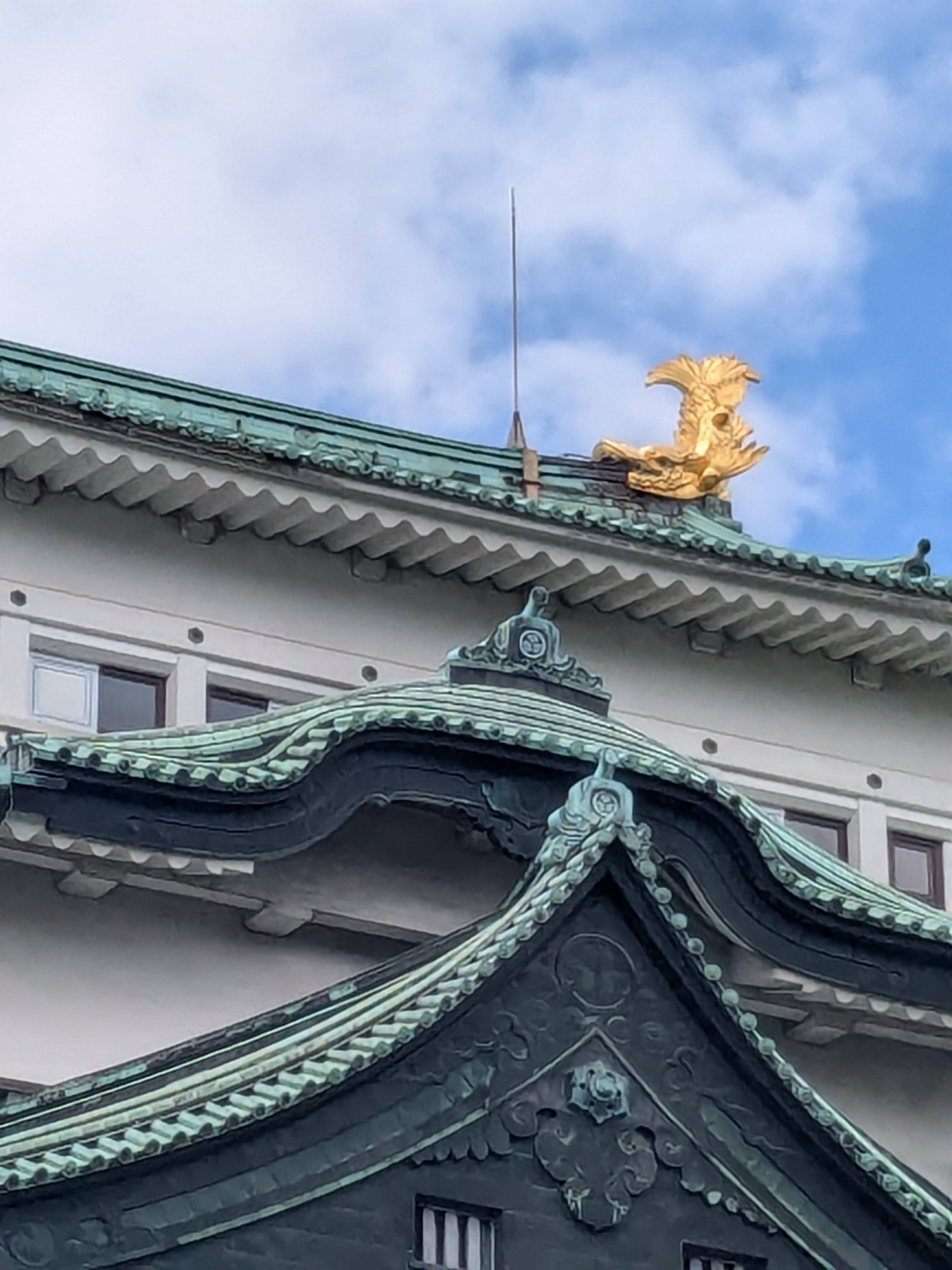
Day 2’s focus was Nagoya Castle (名古屋城)—construction began in 1610, with the main keep completed in 1612 as the headquarters of the Owari Tokugawa clan. The current tenshu (main tower) is a reinforced concrete reconstruction from 1959, but it has been closed to visitors since May 2018 over seismic safety concerns, and a planned wooden reconstruction has not yet broken ground. So what we actually toured was the Honmaru Goten (本丸御殿)—a meticulous reconstruction of the inner palace completed in 2018.
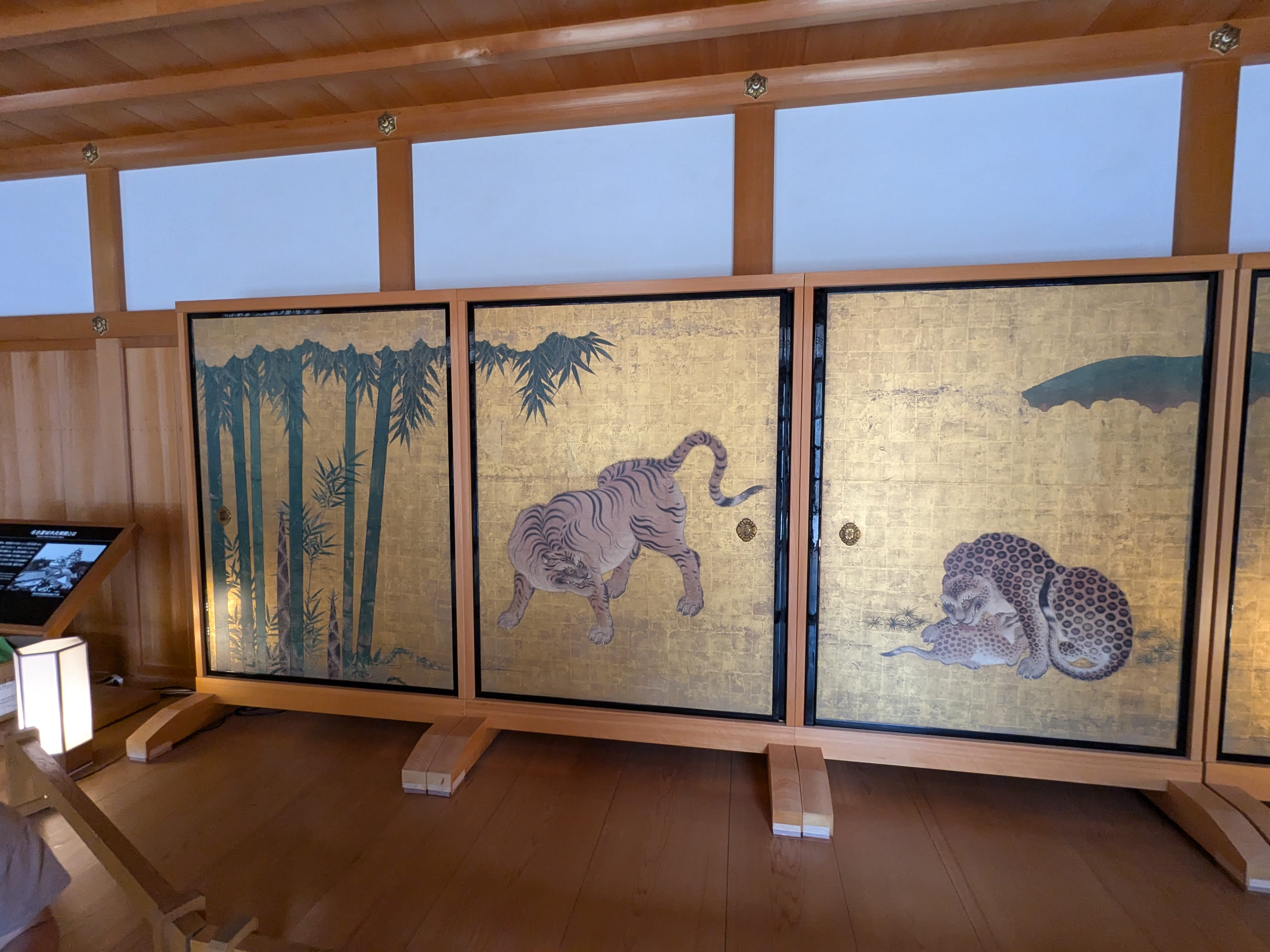
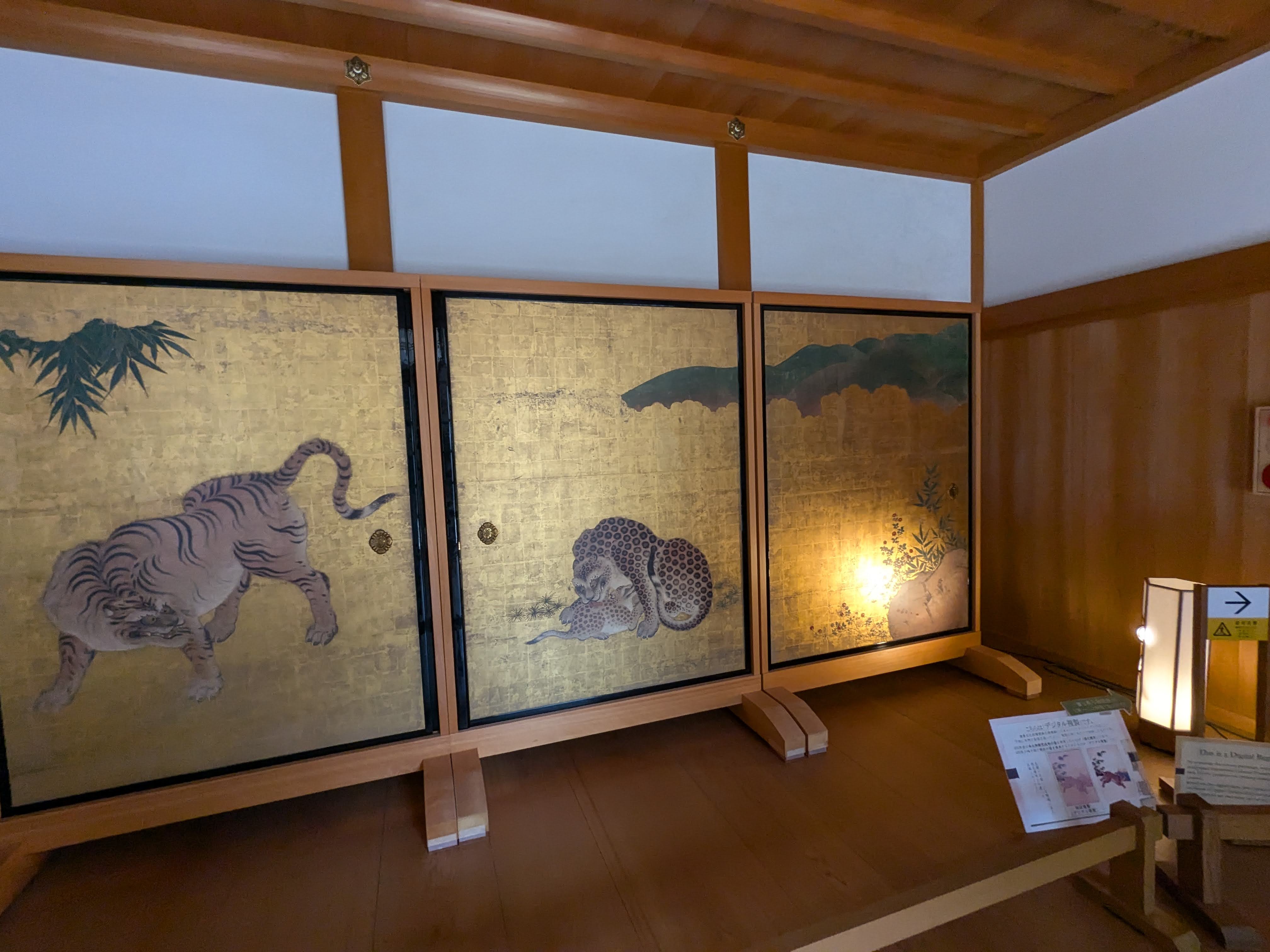
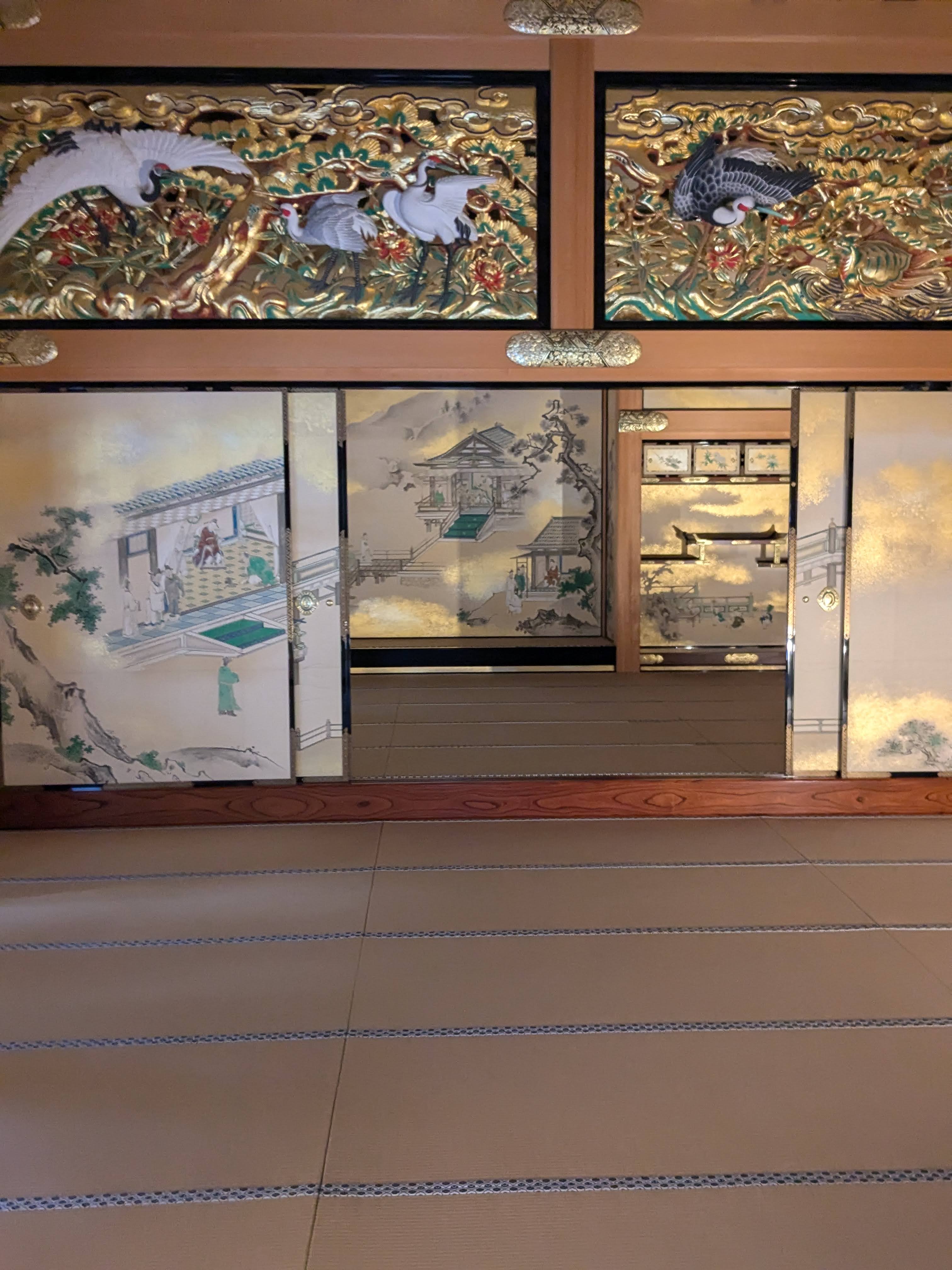
The palace interior recreates the original sliding-door paintings (障壁画, shohekiga) and decorative schemes with an extraordinary level of craft. Gold leaf, vivid mineral pigments, and painted tigers and eagles on every surface—it’s designed to communicate the authority and cultural ambition of the Tokugawa clan to anyone who entered.
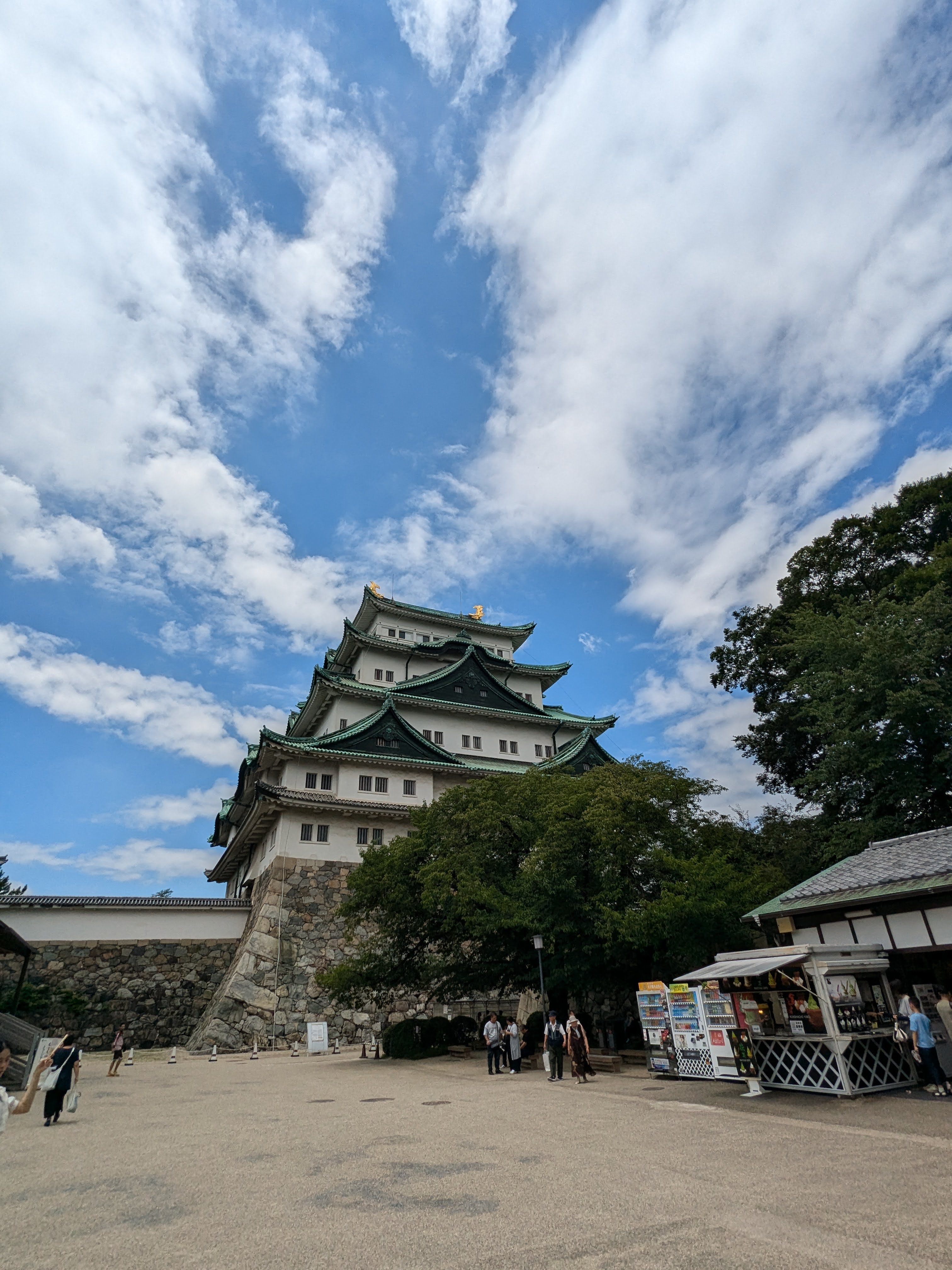
 ▲ Nagoya Castle exterior, looking up at the tower from the grounds
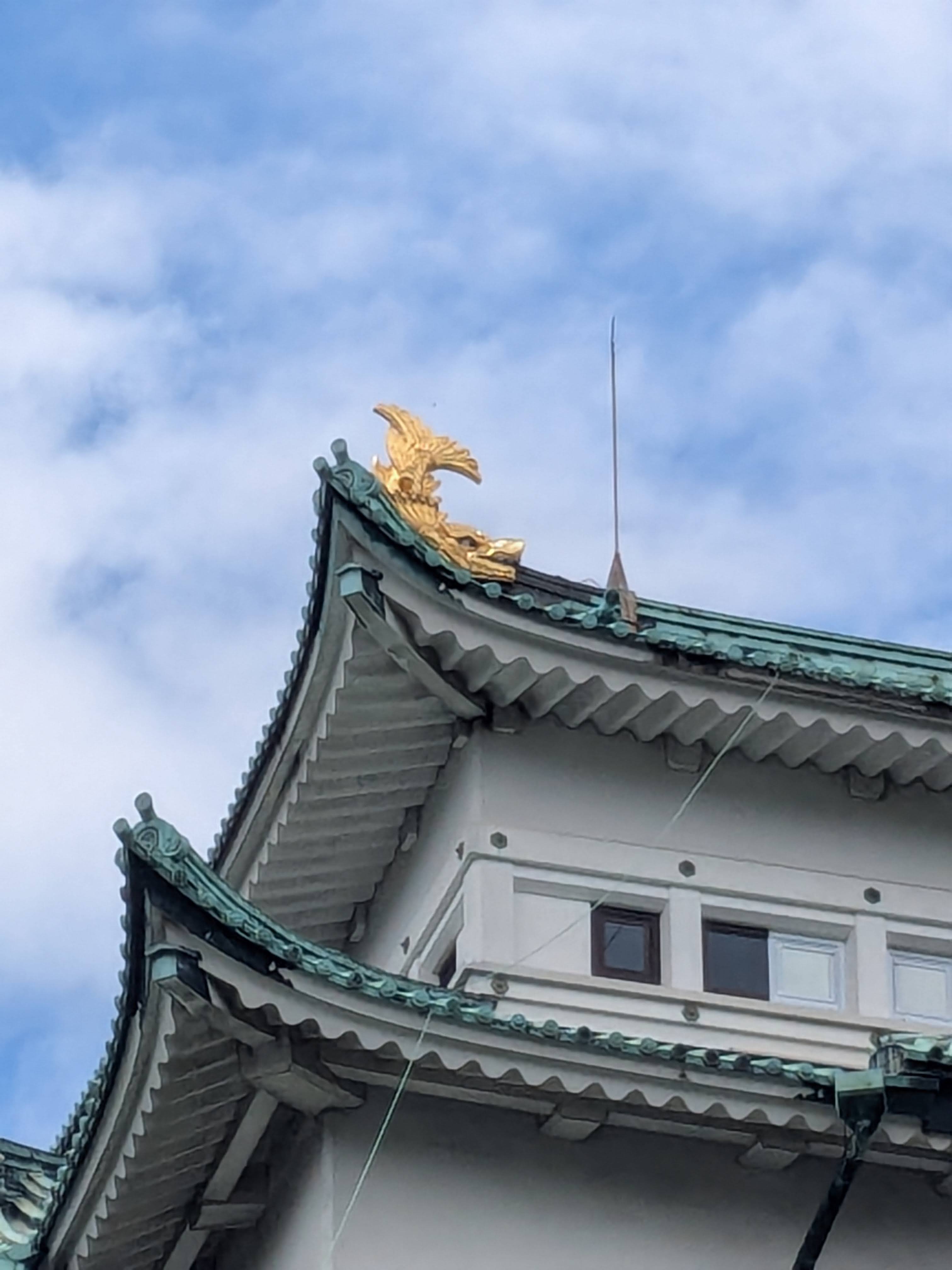
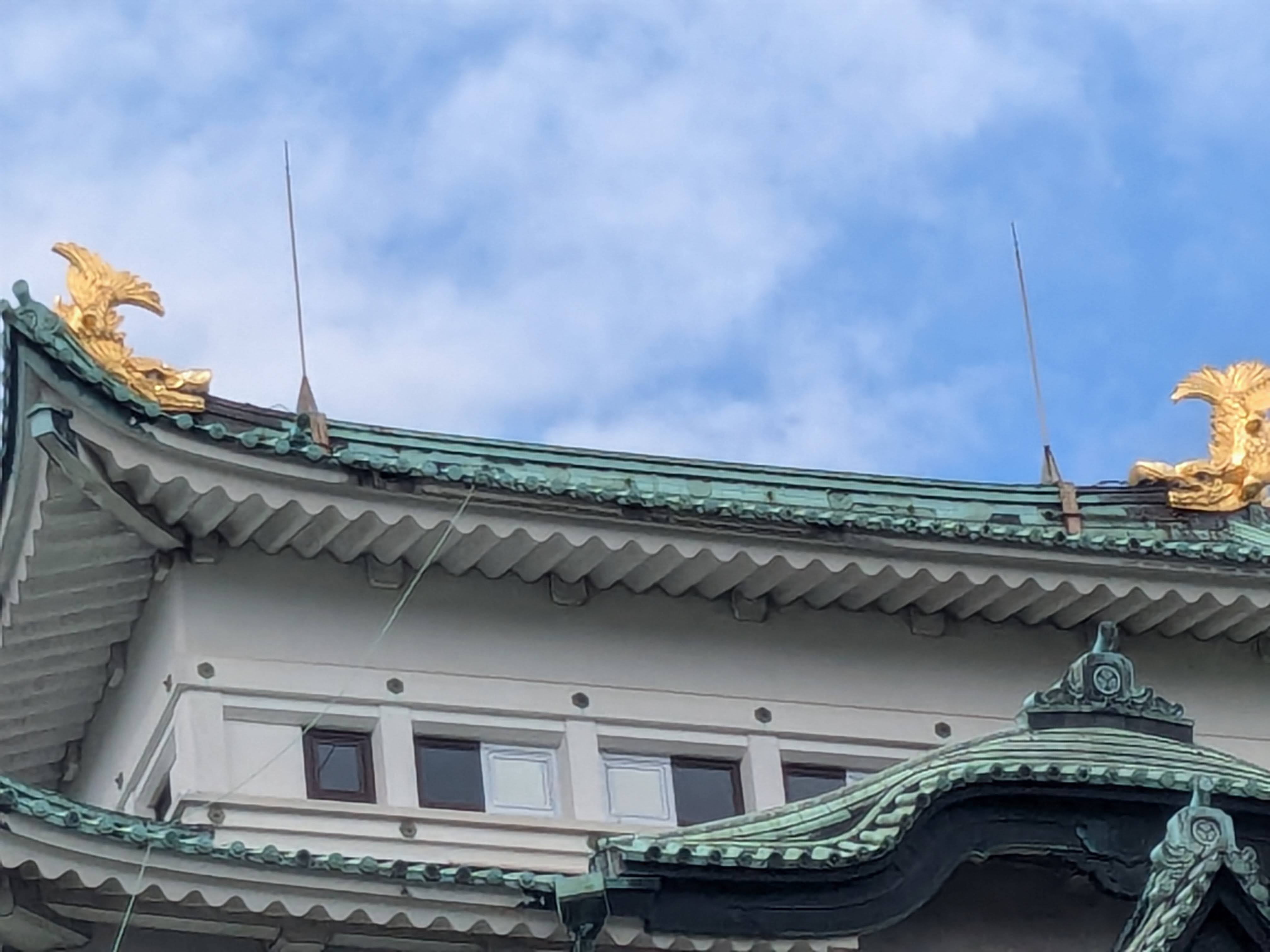
 ▲ The main tenshu (keep) of Nagoya Castle. The gold shachihoko (mythical fish) are visible at the top
 ▲ Nagoya Castle and sky. The blue of the summer sky contrasts with the white plaster walls
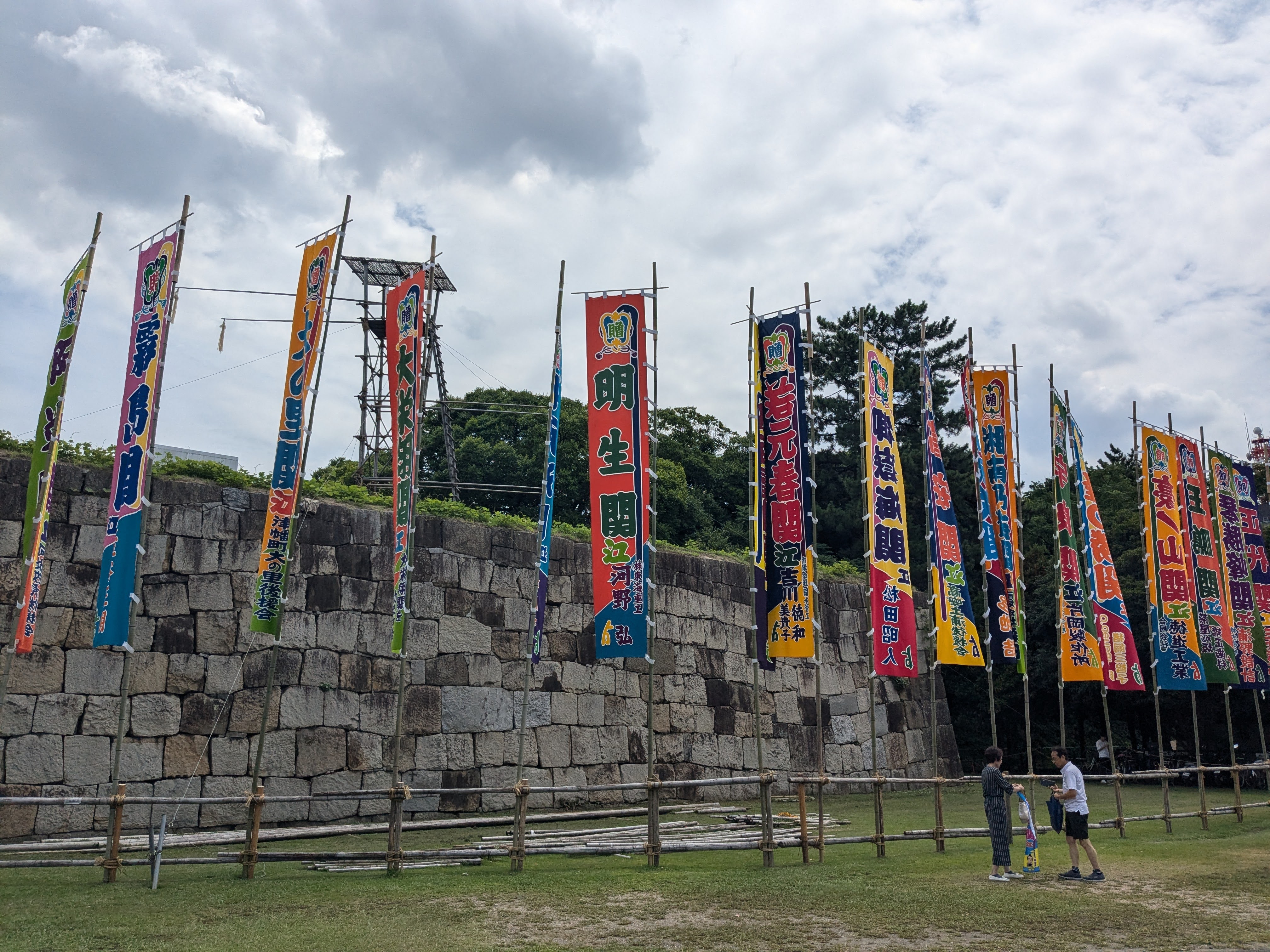
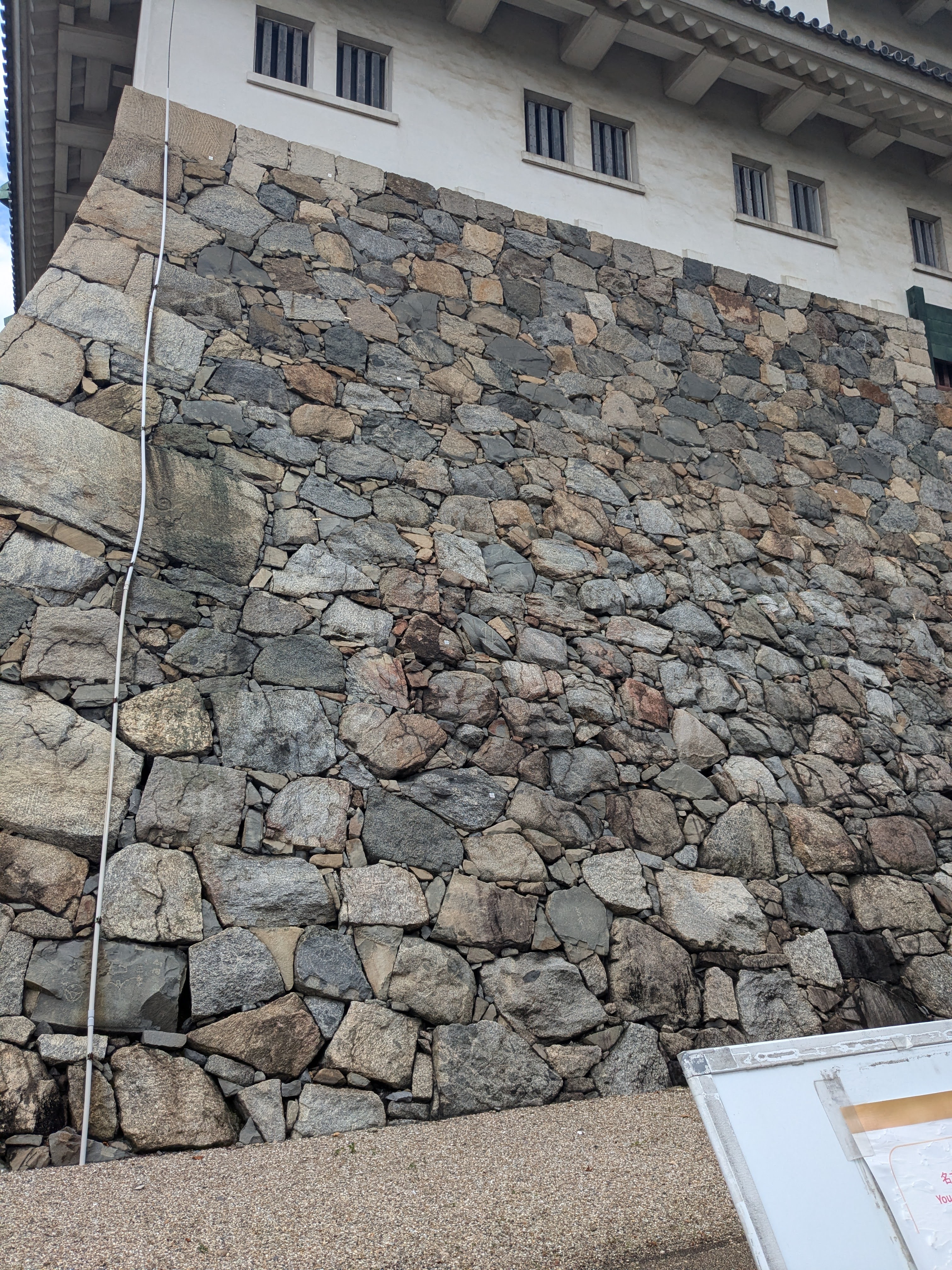
 ▲ The stone walls of Nagoya Castle. The scale of the foundation stones is impressive at ground level
 ▲ An entrance gate on the castle grounds. The wooden architecture of the outer structures
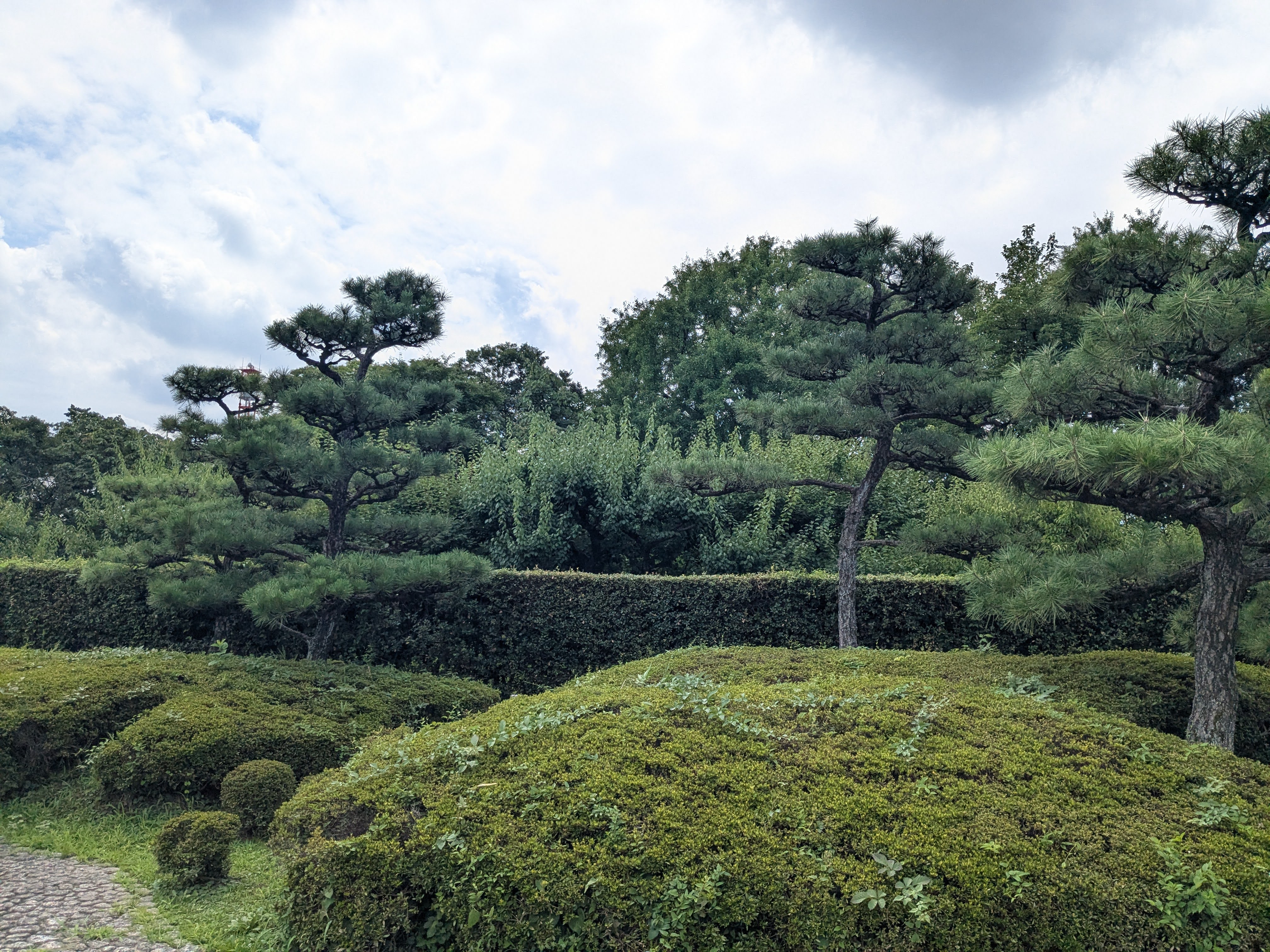 ▲ The exterior of the Honmaru Goten (inner palace). The sliding doors and roof lines visible from outside
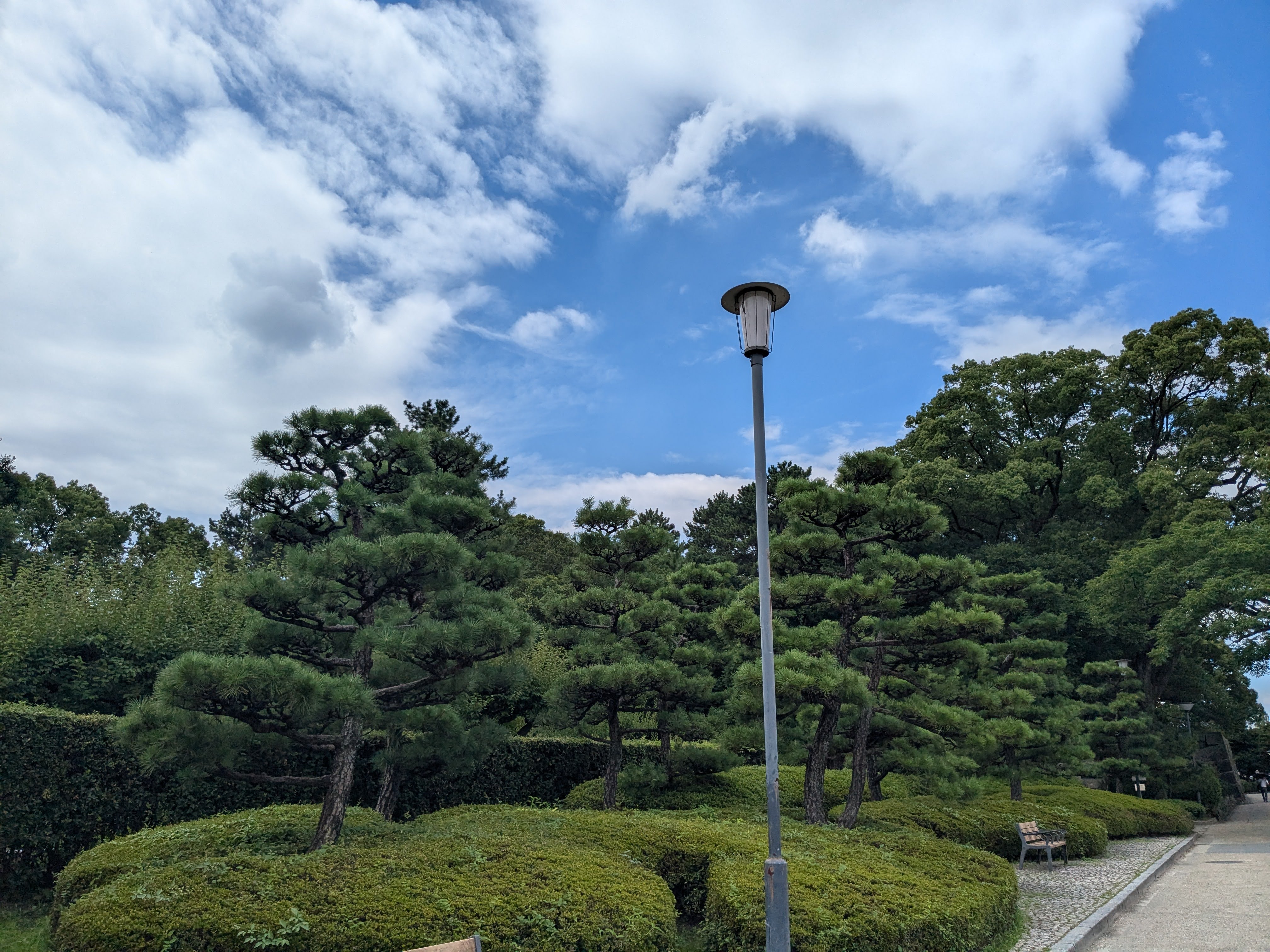 ▲ The shohekiga (painted sliding doors) inside the Honmaru Goten. Gold leaf and painted animals on every panel
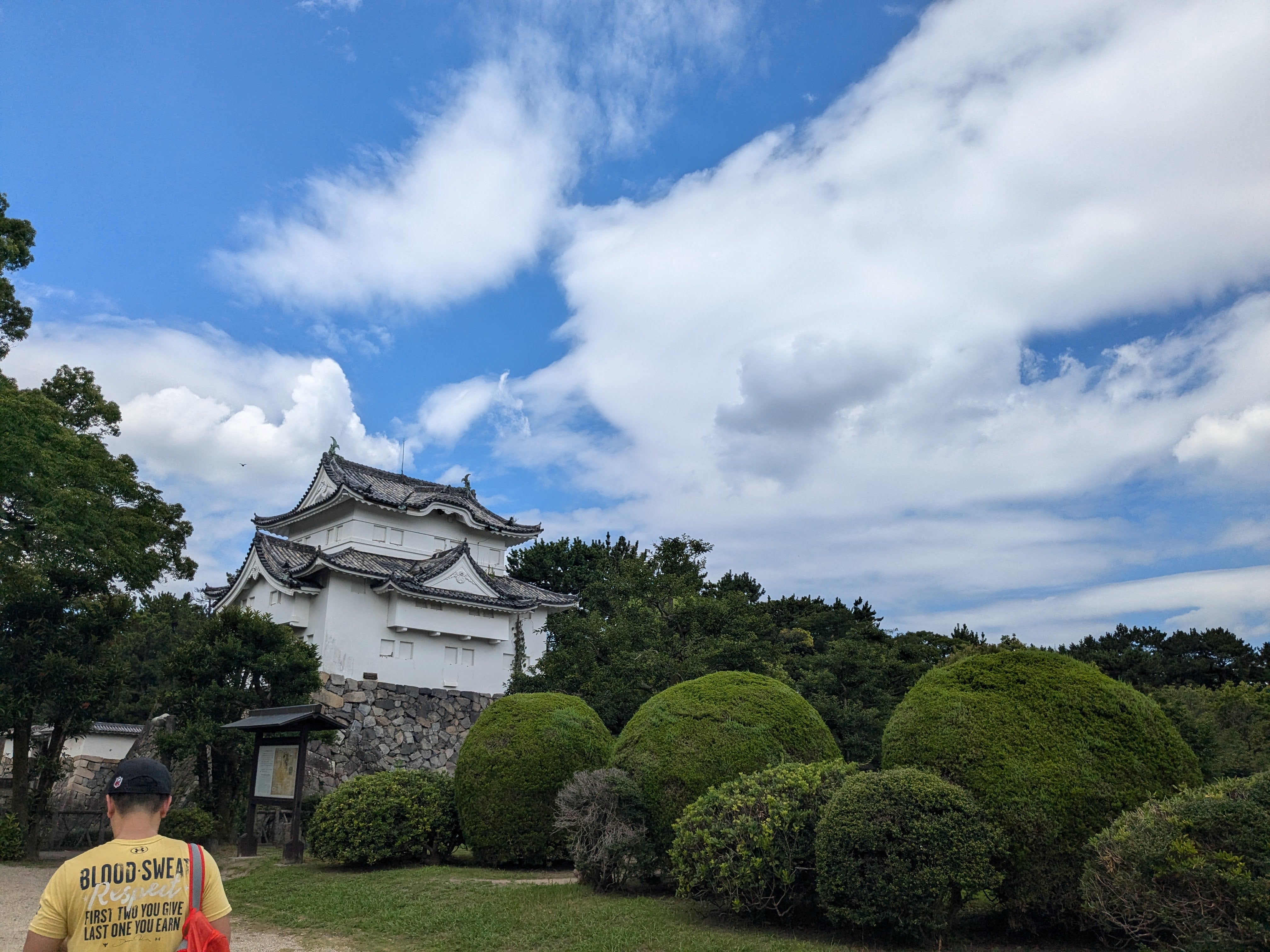 ▲ The interior of the Honmaru Goten. Corridor views between painted rooms
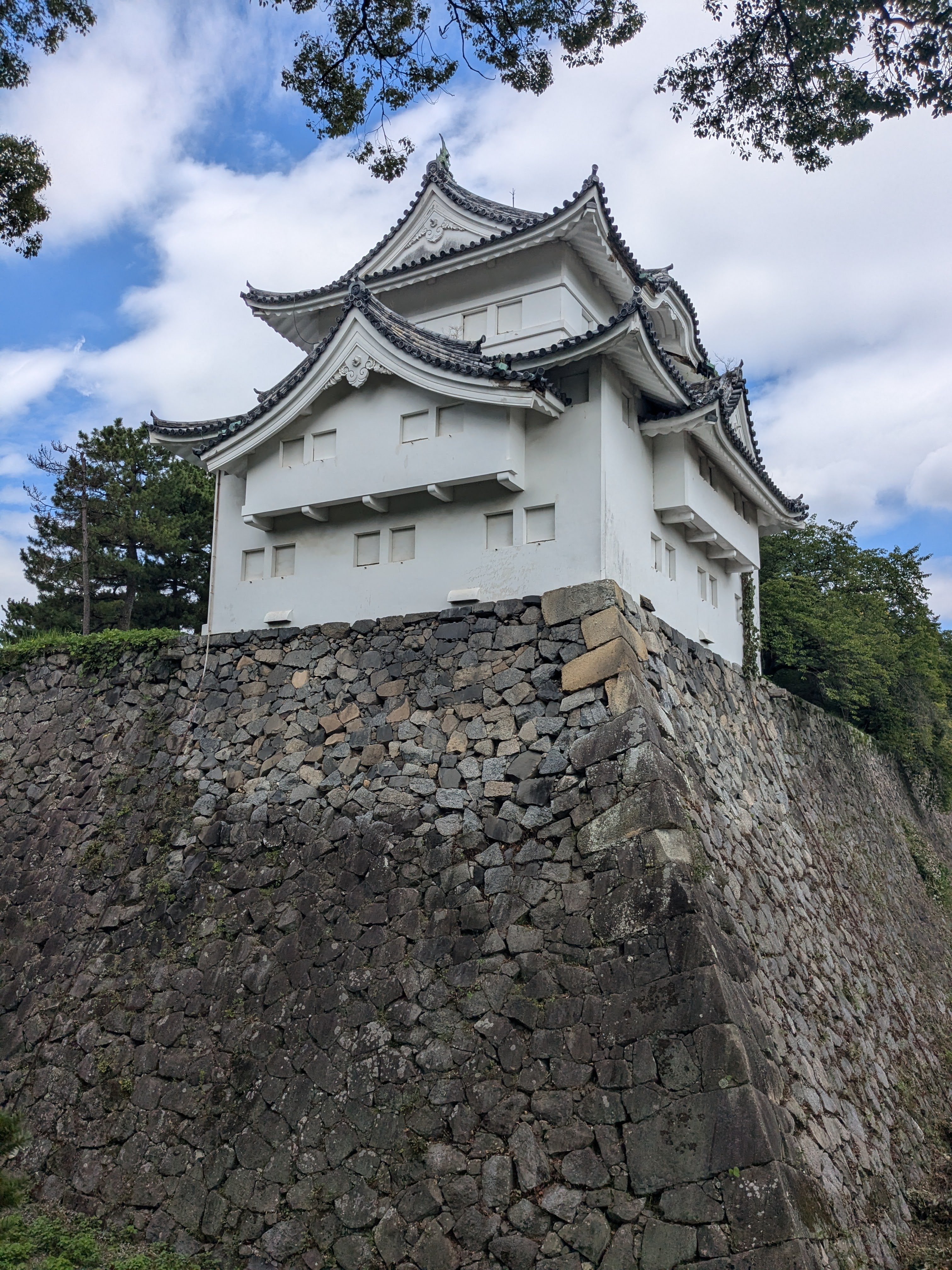 ▲ The elaborate decorative schemes of the palace interior. Every surface is considered
 ▲ One of the painted panels. The pigments are vivid even now—pine trees and birds in a formal composition
 ▲ A corridor inside the Honmaru Goten. The layout is designed to control movement and views
 ▲ Close detail of the palace paintwork. The gold leaf and layered pigment work are visible up close
 ▲ Decorative metalwork and joinery. The quality of craftsmanship extends to every fitting
 ▲ Display items inside the palace. Ceramics and historical objects on exhibition
 ▲ The palace interior in motion. Looking through multiple rooms along the central axis
Inside the Honmaru Goten, room after room holds reconstructed shohekiga and period displays—armour, weapons, models of the original castle, and material about the Tokugawa clan.
 ▲ The corridor through the Honmaru Goten. The rooms get progressively more ornate deeper into the palace
 ▲ Display cases inside the Honmaru Goten. Exhibits cover the history of the castle and the Owari domain
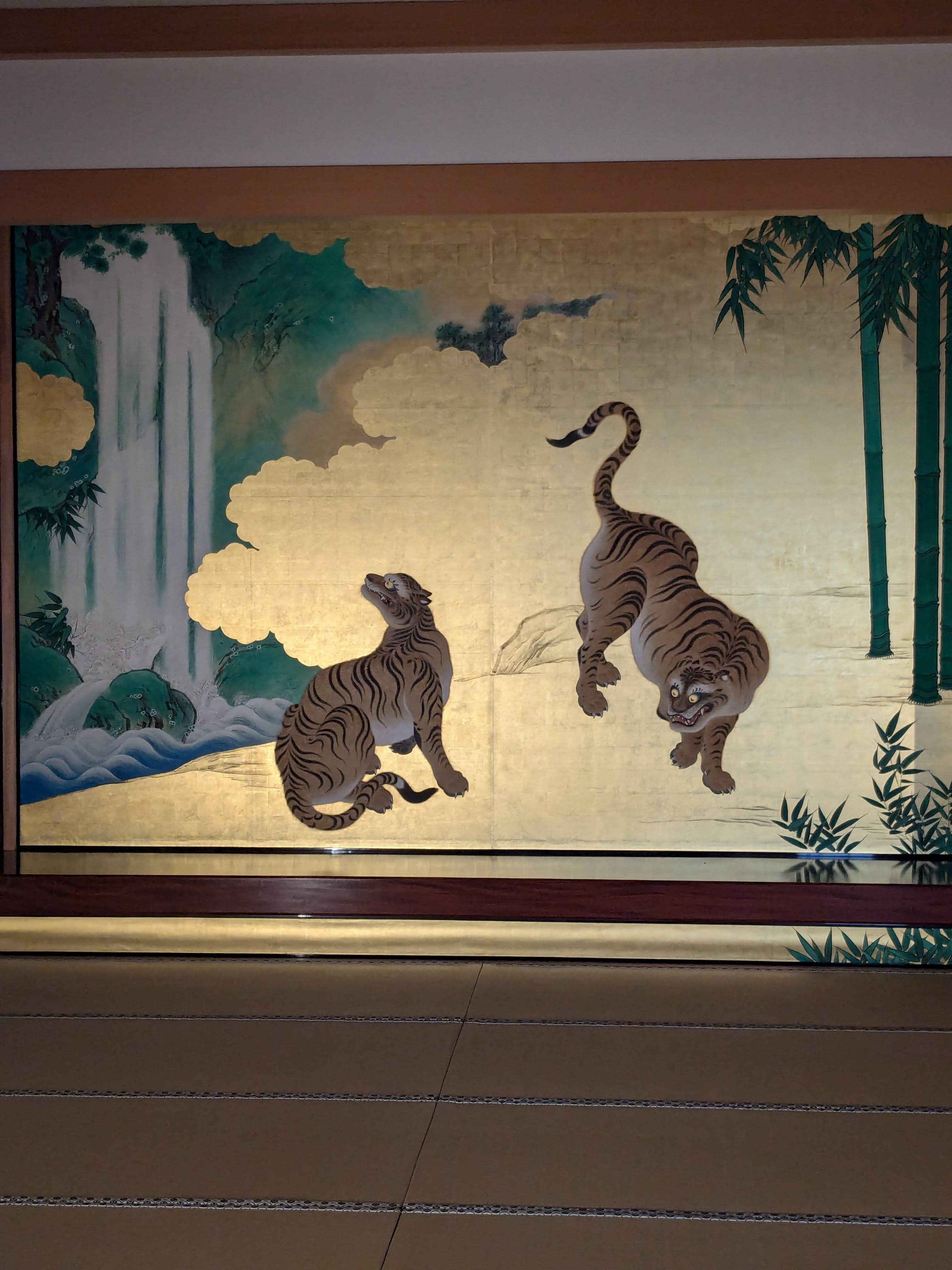 ▲ Historical displays in the palace. Materials on the Tokugawa clan and their period of rule
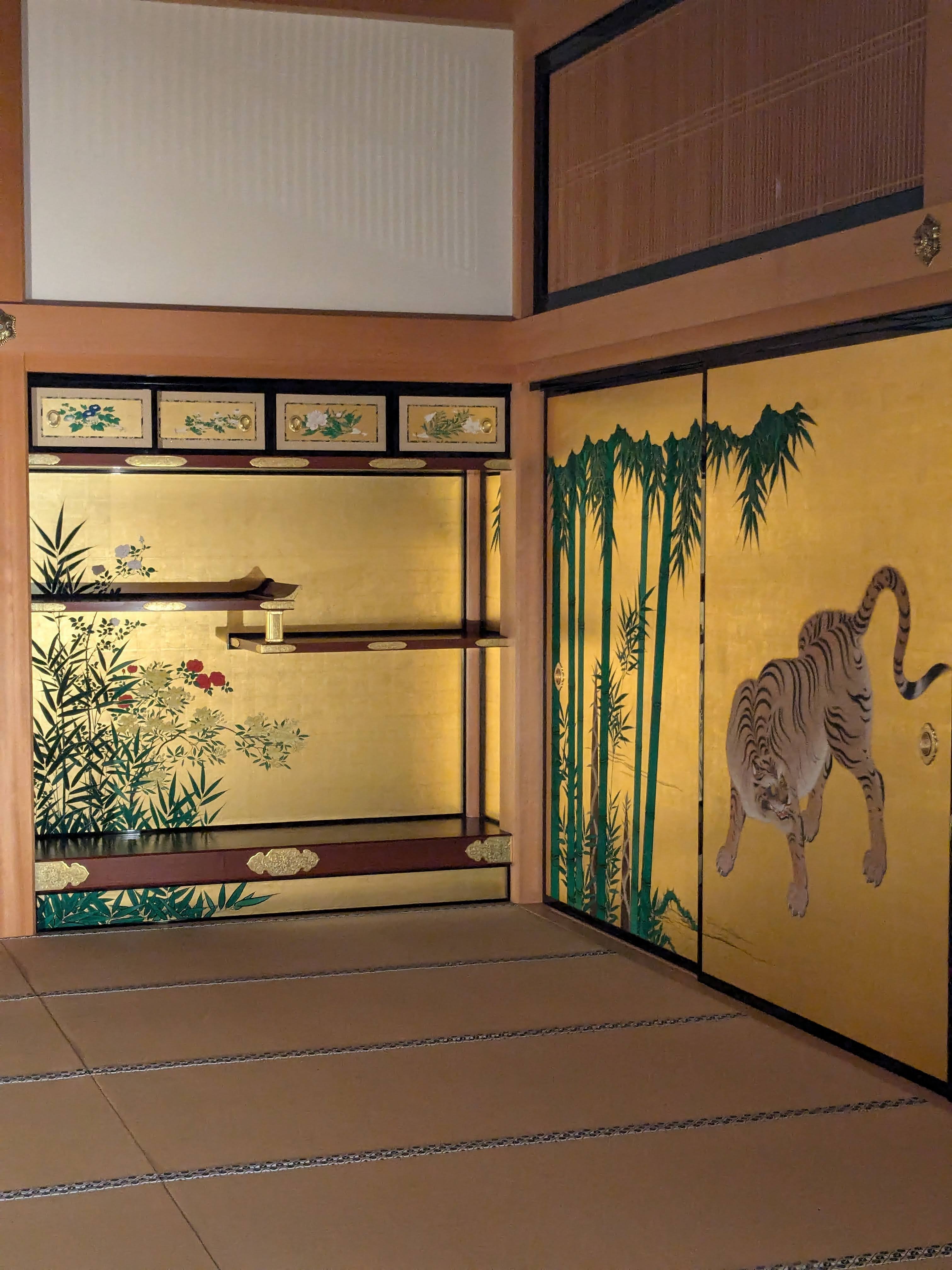 ▲ Weaponry on display inside the palace. The mounted objects give a sense of the castle’s original function
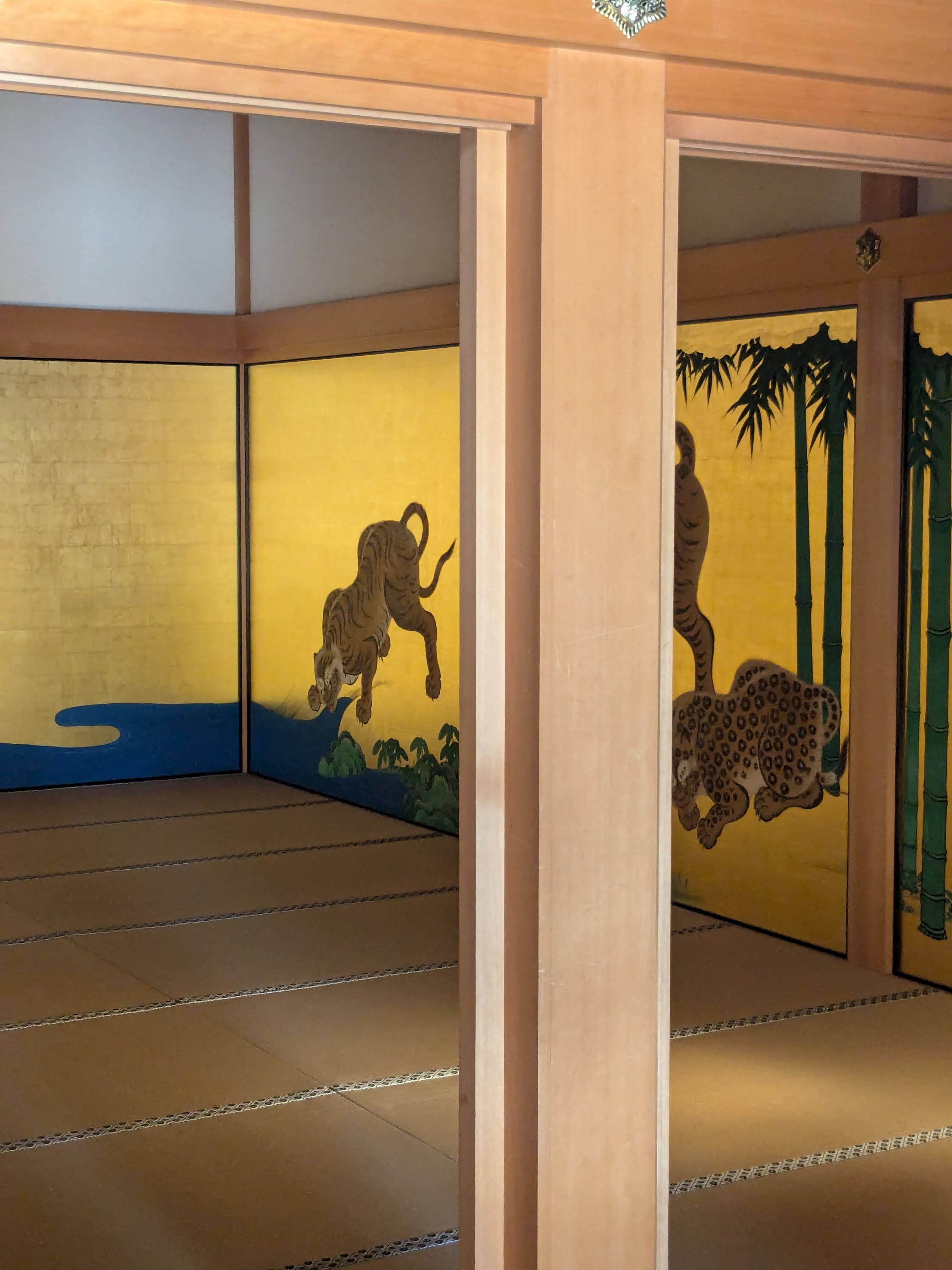 ▲ Armour display in the Honmaru Goten. Full armour sets worn by samurai
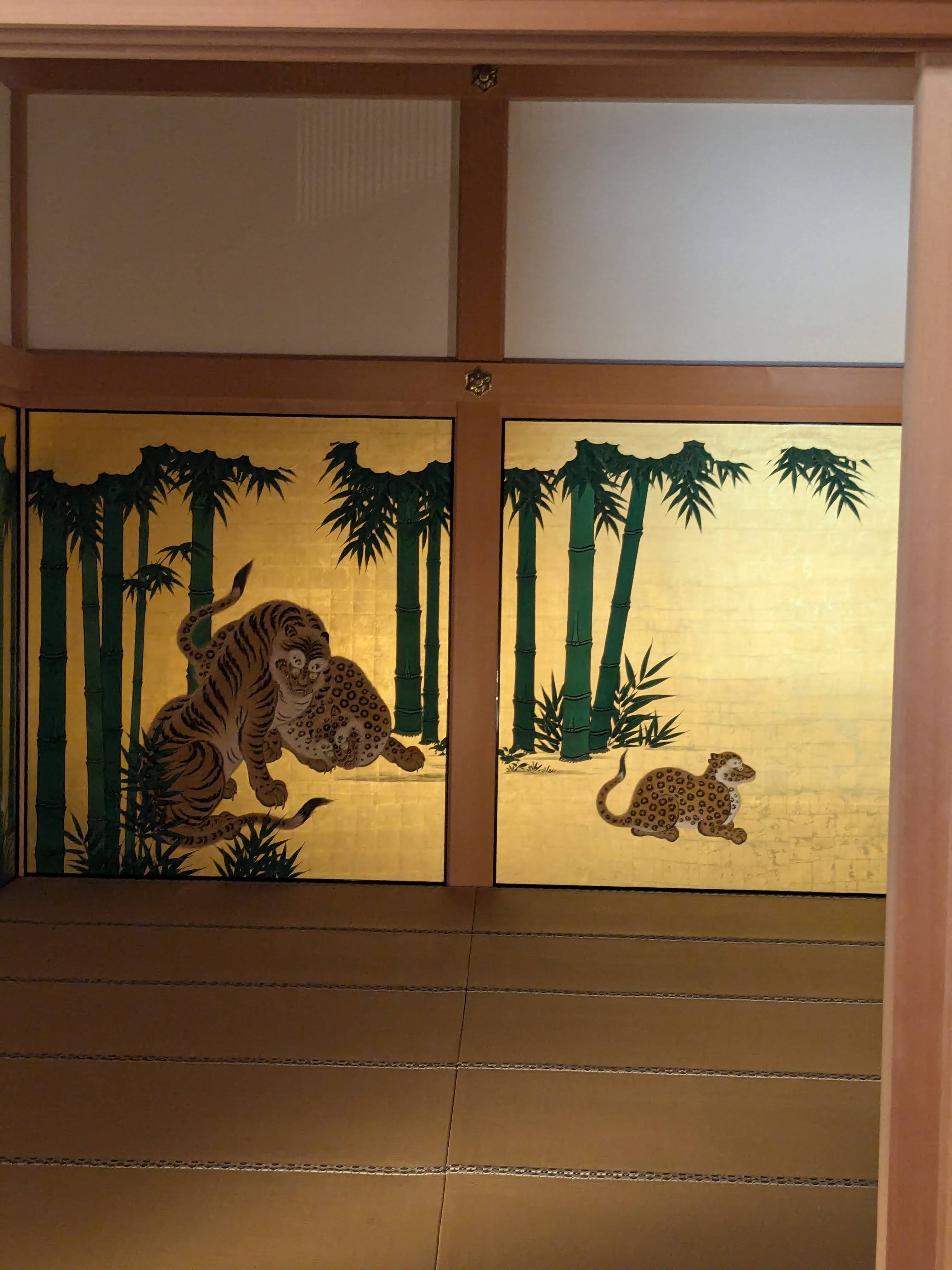 ▲ Document and record displays in one of the palace rooms
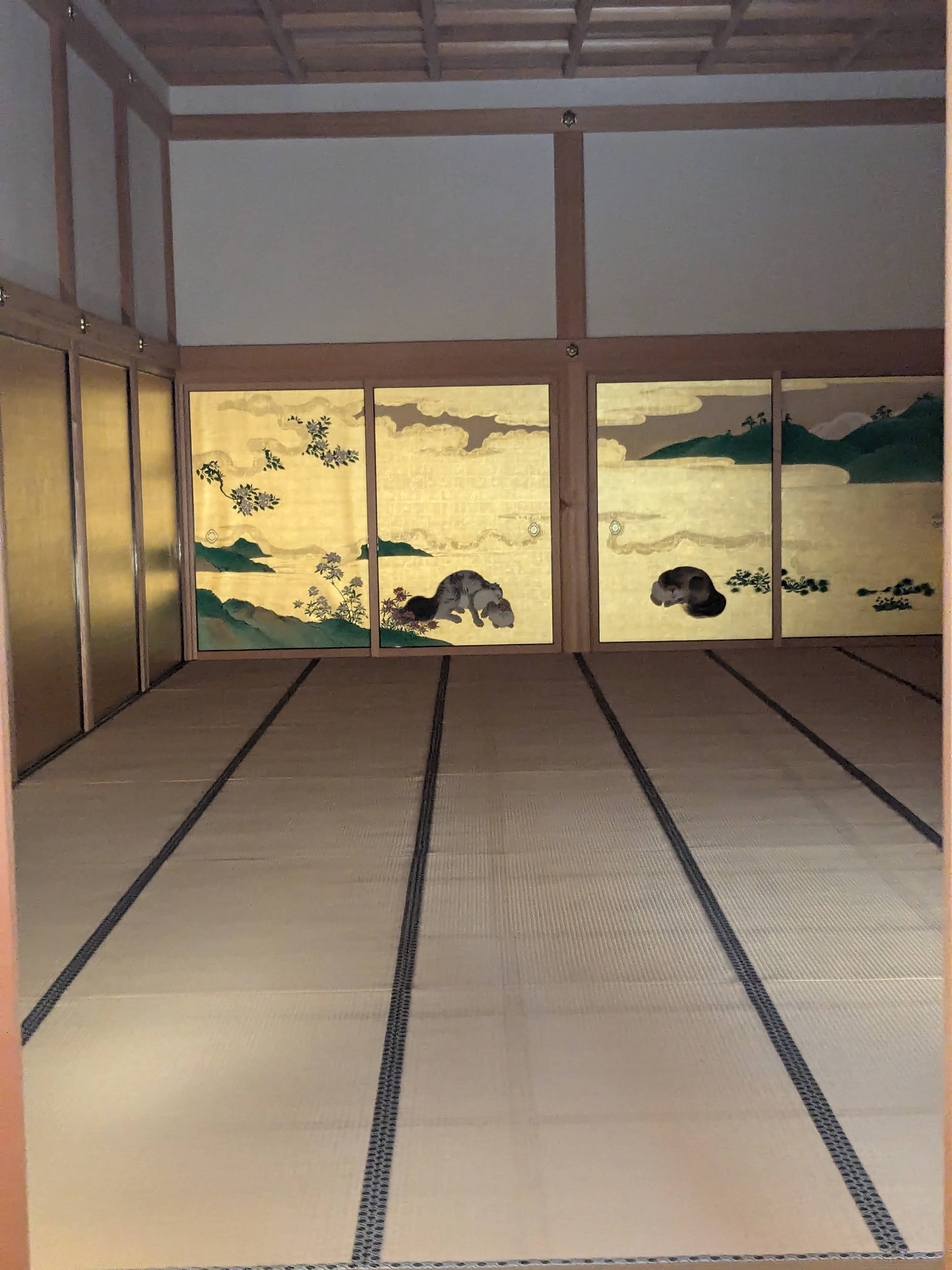 ▲ Displays in successive rooms of the Honmaru Goten. Each room adds context to the castle’s history
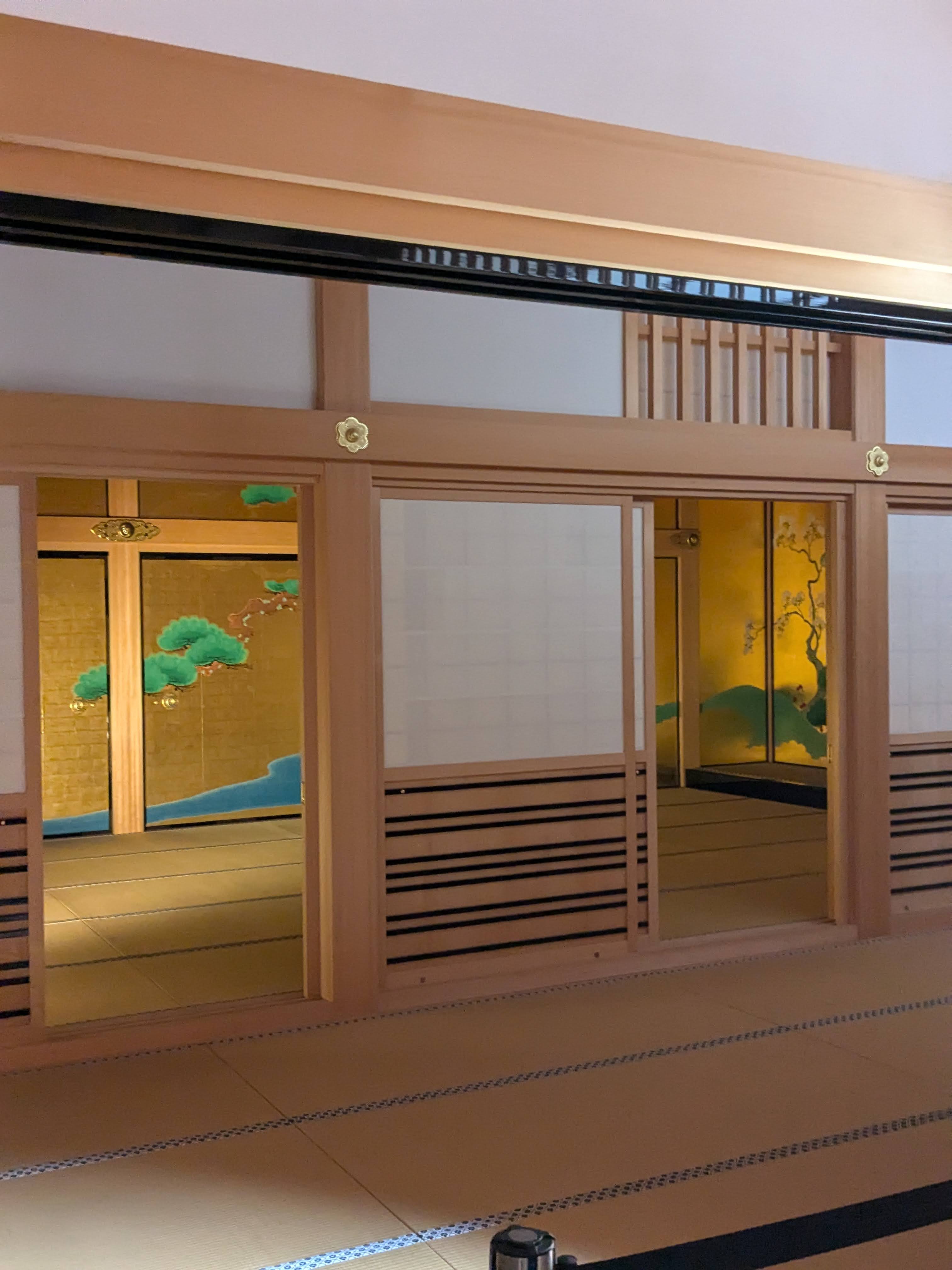
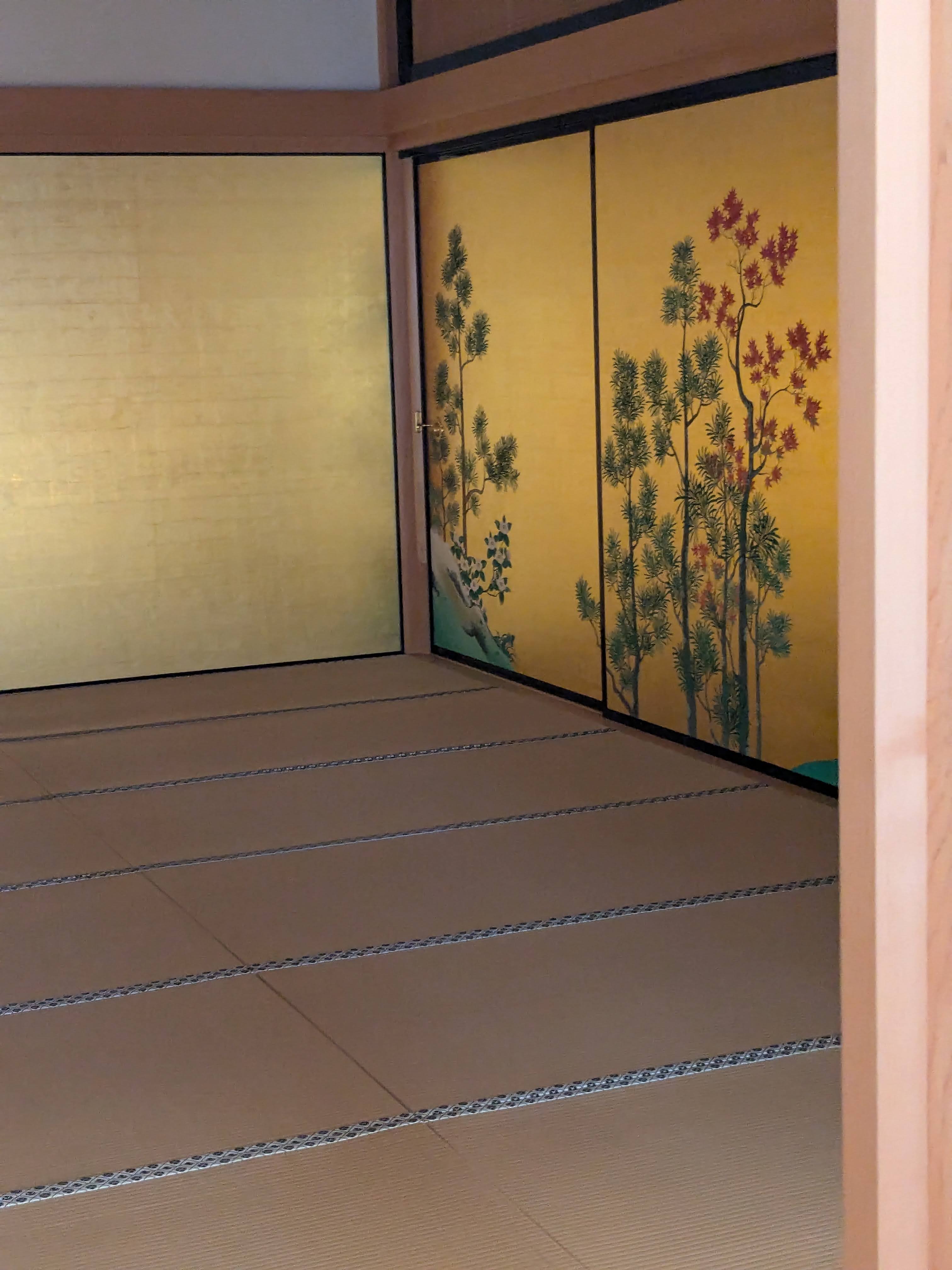 ▲ A painted room in the Honmaru Goten, seen through an adjoining doorway
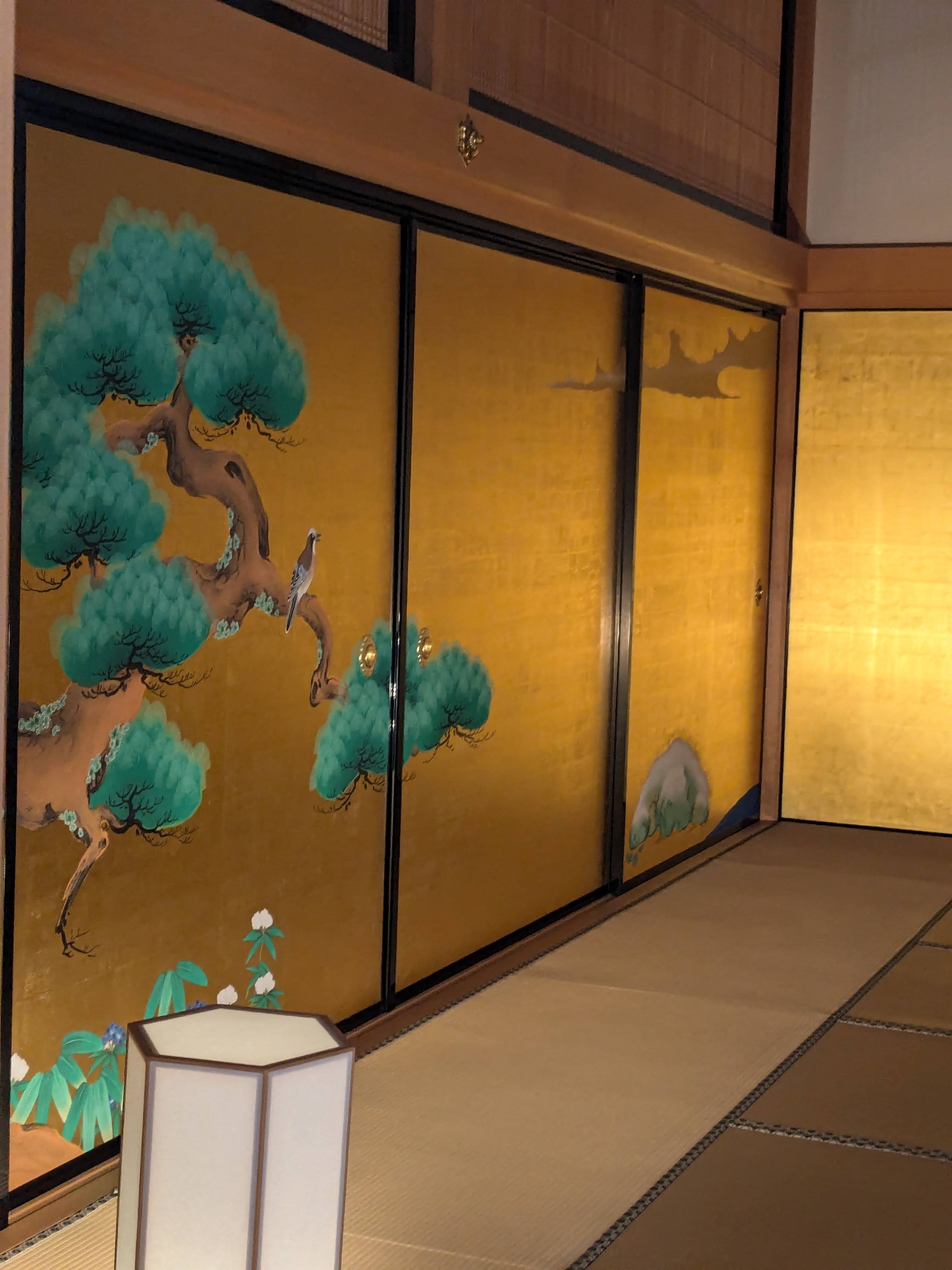 ▲ One of the Honmaru Goten’s formal rooms. The wooden beams and gold-leaf panels continue deeper into the palace
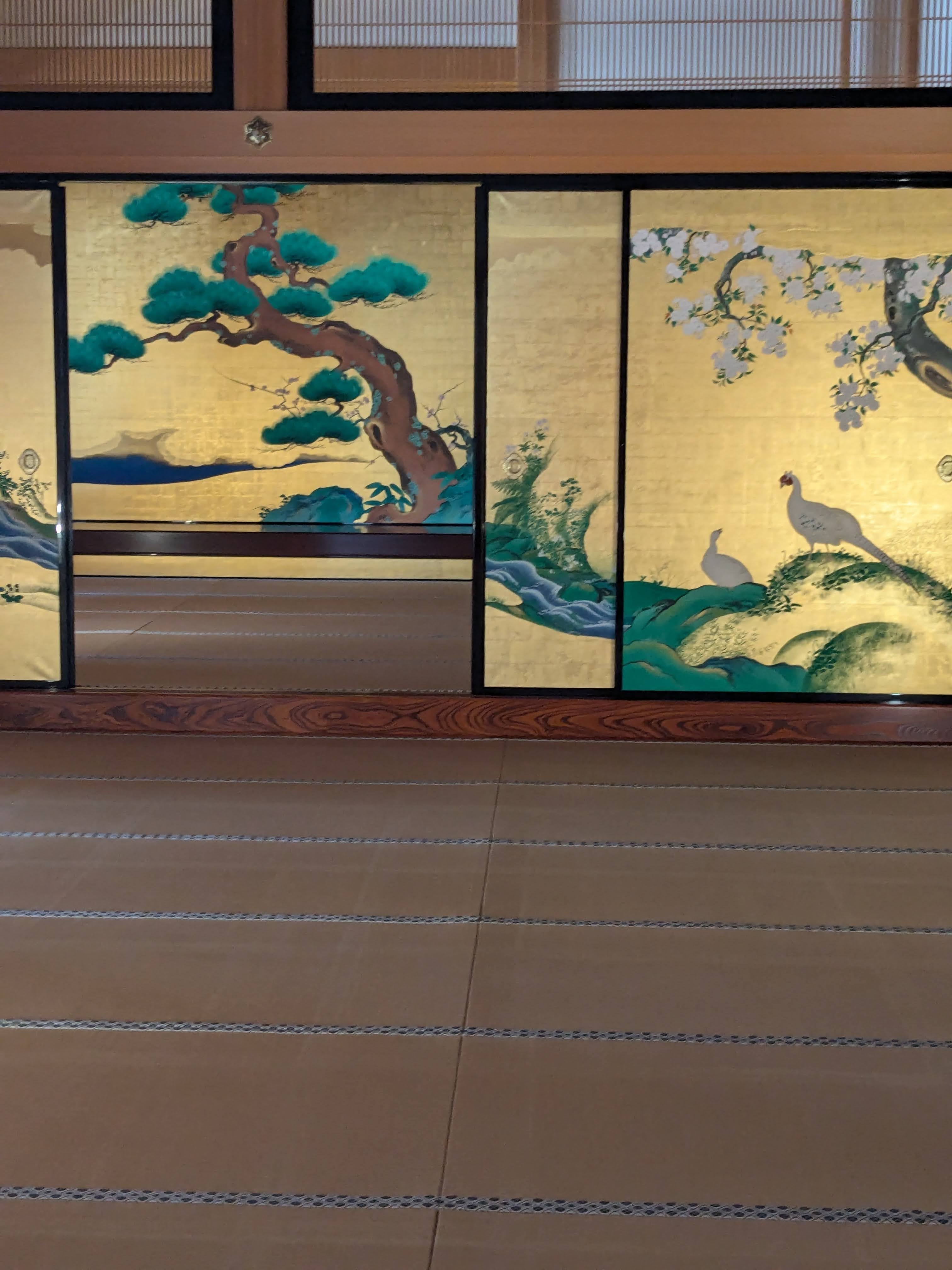 ▲ Approaching one of the Honmaru Goten’s grandest rooms
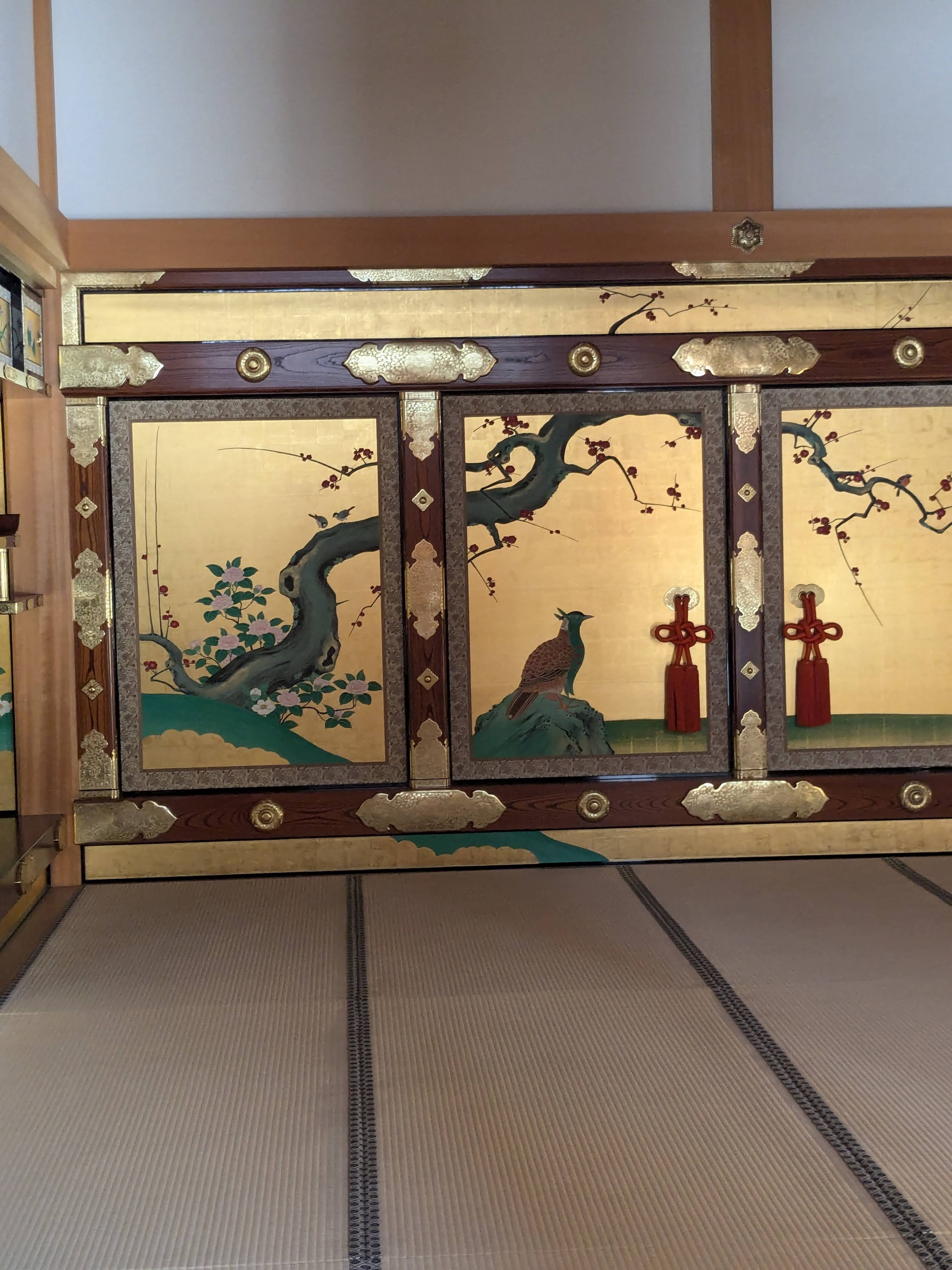 ▲ One of the largest painted rooms in the Honmaru Goten, with gold-leaf panels covering every wall
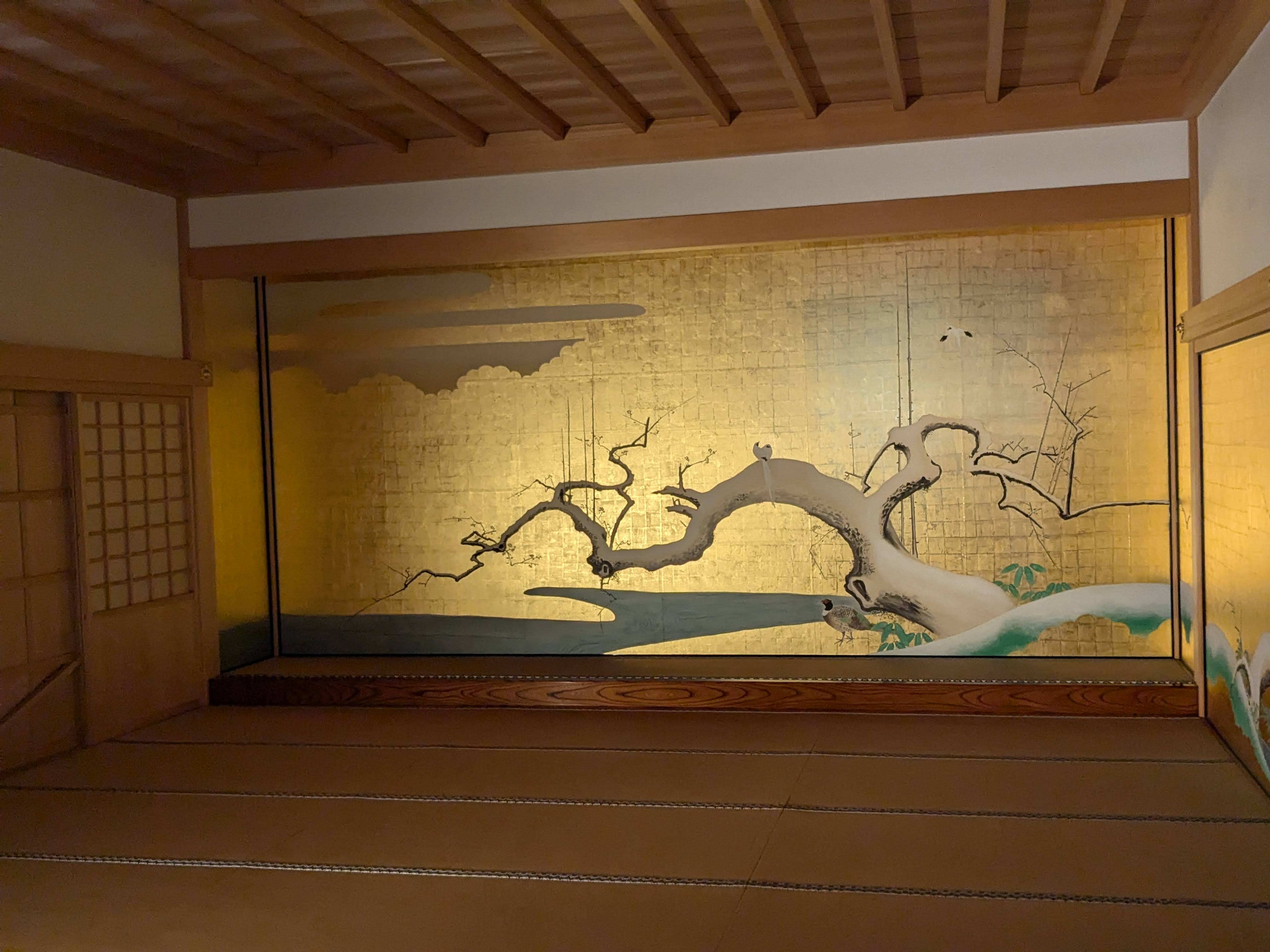
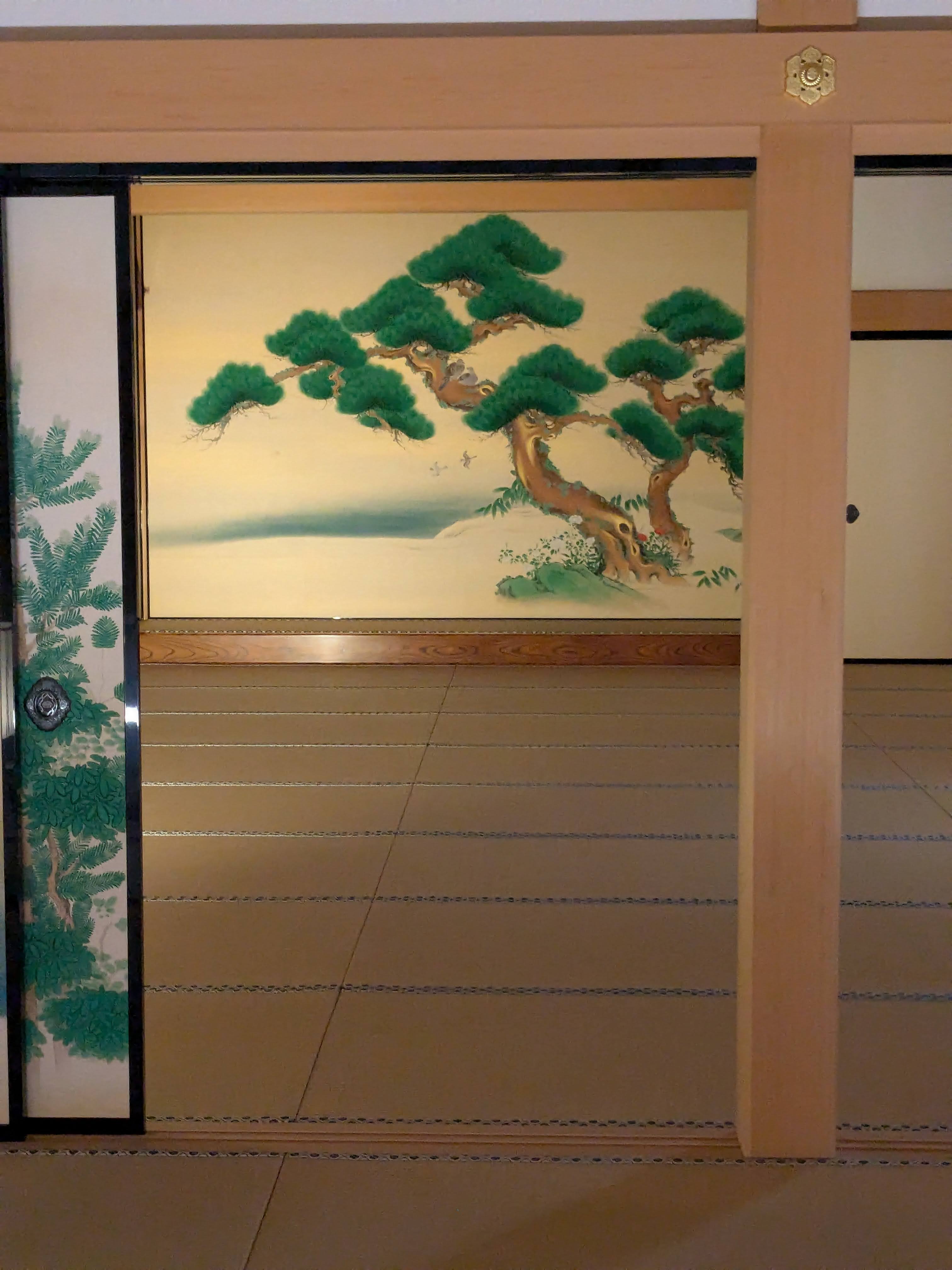 ▲ A large room in the Honmaru Goten with a gold-leaf panel depicting an old plum tree in snow
 ▲ A miniature diorama model recreating the Honmaru Goten’s interior, with gold-leaf panels and pine paintings visible inside
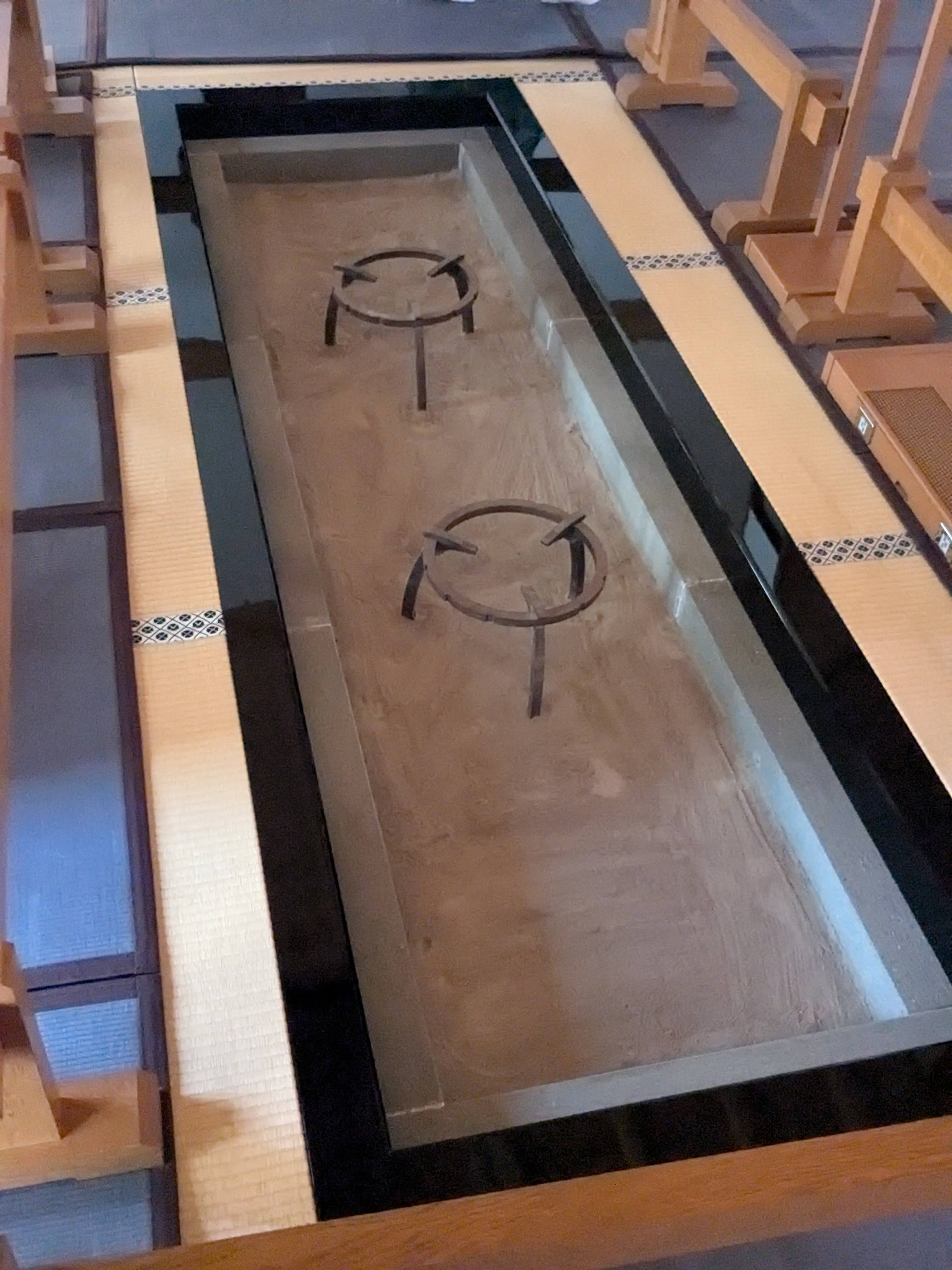
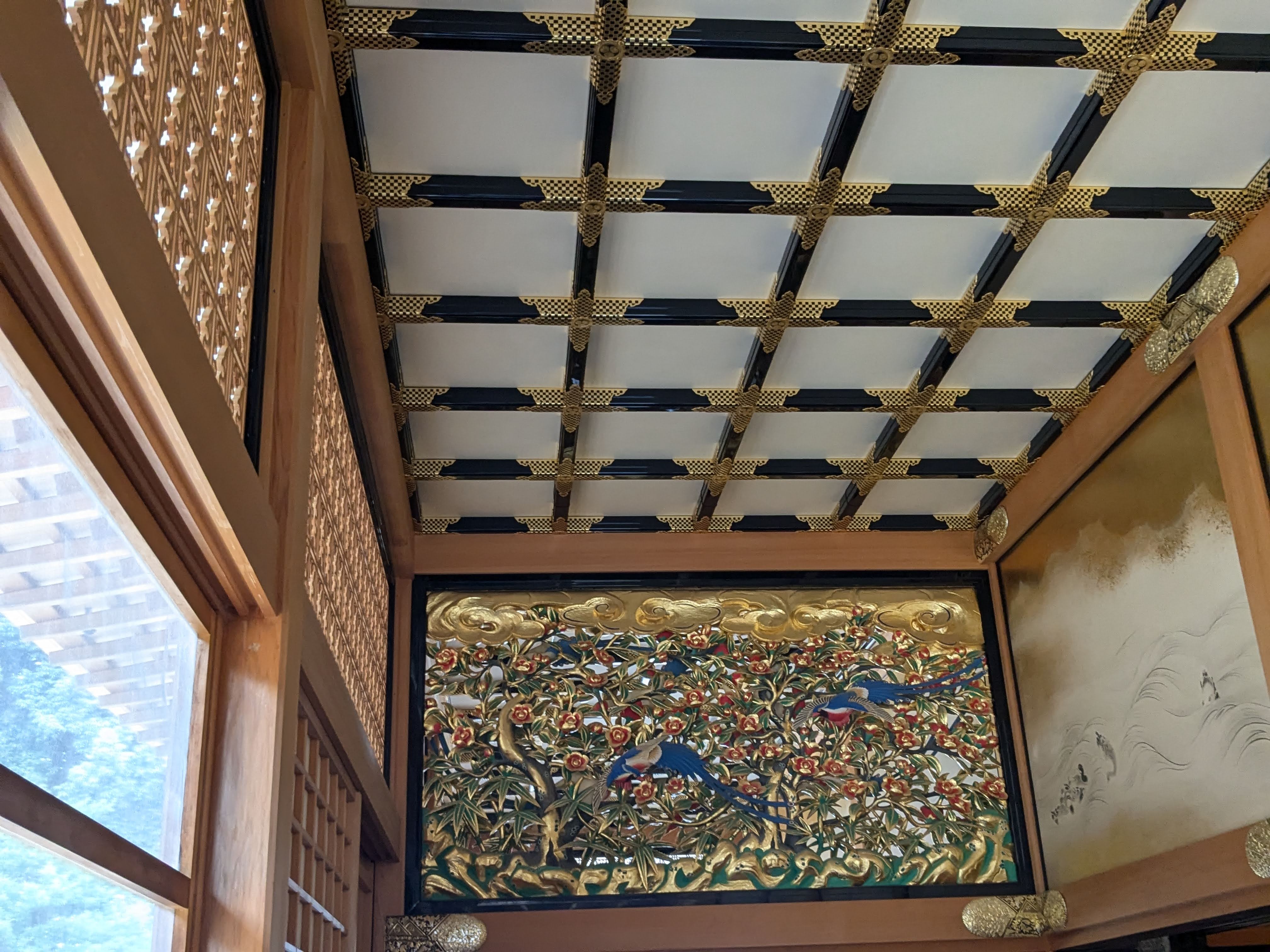 ▲ The Honmaru Goten’s long hearth (nagaro), photographed from above, with two iron trivets set in the firebox
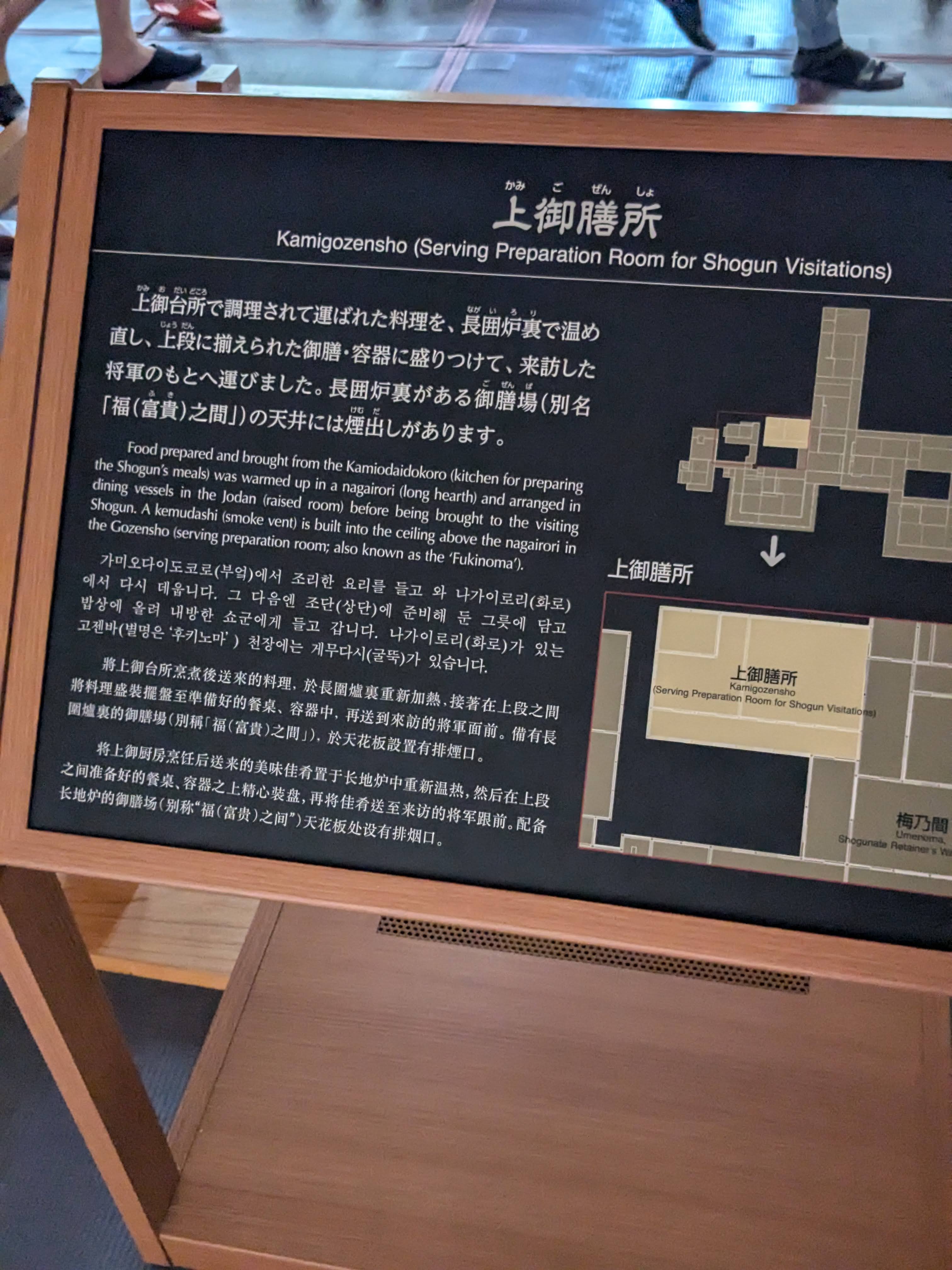
 ▲ An interpretive panel for the “Kamigozensho” kitchen preparation room, explained in Japanese, English, Chinese, and Korean
 ▲ Full view of Nagoya Castle on the way out. Looking back at the tenshu from the outer grounds
 ▲ A final look back at the castle. Nagoya Castle from the approach to the exit
 ▲ Looking up at the castle from ground level before leaving
 ▲ The golden shachihoko monument near the castle exit. A souvenir-photo spot for the iconic symbol of Nagoya
 ▲ Walking through Nagoya city. The streets around the castle are wide and lined with shops
 ▲ A final photo from Nagoya, one day later. The city seen from the departure point
Summary
| Item | Details |
|---|---|
| Dates | July 25–26, 2024 |
| Day 1 | Nagoya Port Aquarium (orcas, dolphins, deep-sea) + tebasaki dinner |
| Day 2 | Nagoya Castle + Honmaru Goten palace |
| Access | Nagoya Port Aquarium: subway Meiko Line “Nagoya-ko” Station; Nagoya Castle: subway Meijo Line “Shiyakusho” Station, 5-min walk |
| Cost (estimate) | Approx. ¥37,000–50,000 (US$247–333) per person including transport, accommodation, food, and entry fees |
| Weather | Very hot (midsummer); budget for drinks and air-conditioned stops |
Nagoya packs a lot into a compact geography. Two major attractions of genuinely different kinds—marine life and Edo-period history—plus a food culture that’s distinctive enough to be worth travelling for specifically. The only regret: not enough time for hitsumabushi (grilled eel over rice), miso katsu, and ankake spaghetti. There will have to be a second trip.
Related Articles
- 名古屋1泊2日の旅(日本語)
- Nagoya 2-Day Travel Guide: Aquarium, Castle & Nagoya Meshi (English)
- Nara Day Trip Report (English)
Find Hotels in Nagoya
PR: Contains a Rakuten Travel affiliate link.
▶ Search Nagoya hotels on Rakuten Travel
