
 パソコ
パソコこんにちは!パソコです🔥 この記事、最後まで読んでいってね!
In early March 2024 we crossed Ibaraki Prefecture from the Pacific coast toward Tsukuba. Day 1: Hitachinaka Seaside Railway and harbor-town air, then Aqua World Ibaraki Oarai—sharks, sunfish, and deep-sea exhibits. Day 2: Mito—Mitogaku Road, the natto monument, and Kairakuen in plum season, plus Lake Senba where we caught Train Suite Shiki-shima stopped for photos. Day 3: Tsukuba Wanwan Land with dog shows and meet-the-breed zones. Spring Ibaraki packs sea, history, blossoms, and animal parks into a short hop from Tokyo.
→ Practical routing and costs (Japanese): 茨城観光ガイド · English guide: Ibaraki travel guide
Basic info
- Dates: 1–3 March 2024 (2 nights, 3 days)
- Area: Ibaraki Prefecture (Hitachinaka, Oarai, Mito, Tsukuba)
- Style: 2 nights based at a hotel near Mito Station
- Stay: Hotel Terrace the Garden Mito
- Access: Tokyo–Mito, Joban Line limited express, roughly 2 hours (varies by train)
- Admission (actual March 2024 tickets): Aqua World Oarai ¥2,300 adult (card accepted) / Kairakuen ¥300 general adult
- Admission (current official prices): Aqua World Oarai ¥2,300 adult (~US$15) / Kairakuen ¥320 general adult (~US$2; Kobuntei ¥230 extra) / Tsukuba Wanwan Land ¥2,000 adult (~US$13, revised 1 Apr 2024)
- Estimated cost (1 person): Limited express round trip ¥8,000 (each way = ¥2,420 fare + ¥1,580 express charge), local transport approx ¥4,000 (incl. the ¥1,000 Minato Line one-day pass), 2 nights with breakfast approx ¥15,000, admissions ¥4,620, food approx ¥8,000 — total approx ¥40,000 (about US$265)
- Exchange rate used: ¥150 = US$1, rounded for easy conversion
- Time needed: Aqua World Oarai 3–5 h, Kairakuen (plum grove + lakeside) 2–4 h, Tsukuba Wanwan Land half a day
- Best season: March for the plum festival; the aquarium works year-round, and Wanwan Land’s outdoor zones are best on clear days
- Weather: Early spring, cold wind; day 2 was mostly cloudy with brief sun
Day 1: Seaside railway & Aqua World Oarai
Day one heads for Oarai on the Pacific coast. It starts with a local line that is worth riding for its own sake, moves on to local-catch sushi, and ends at an aquarium that a full afternoon cannot exhaust. A day spent close to the sea.
From Katsuta to Ajigaura on a one-man local train
In the morning we boarded the Hitachinaka Seaside Railway Minato Line toward Ajigaura. A one-man local train sounds and sways nothing like a Tokyo commuter service. Outside the window: fields, houses, and every so often a hint of the sea. This is the kind of line where getting there is already part of the trip.
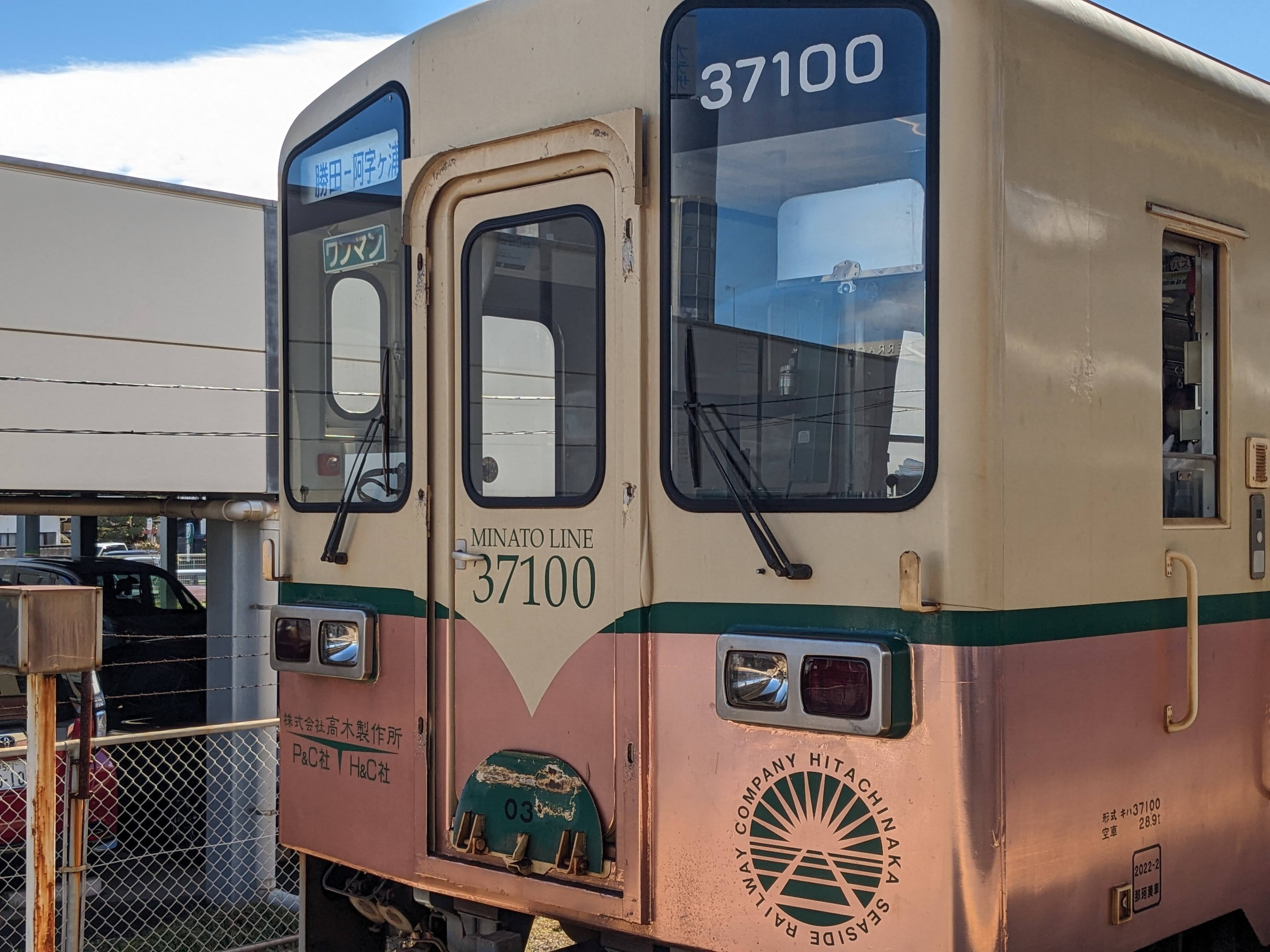 ▲ Hitachinaka Seaside Railway Minato Line: one-man train swaying toward Ajigura from Katsuta.
Conveyor-belt sushi in a harbor town
Lunch was conveyor-belt sushi near Oarai: mackerel first, then whitefish, tuna, and a fattier whitefish. Mackerel at ¥220 including tax, in a harbor town, with local catch on the belt—that combination simply does not exist in central Tokyo. Every plate carried the sense of having been landed nearby.
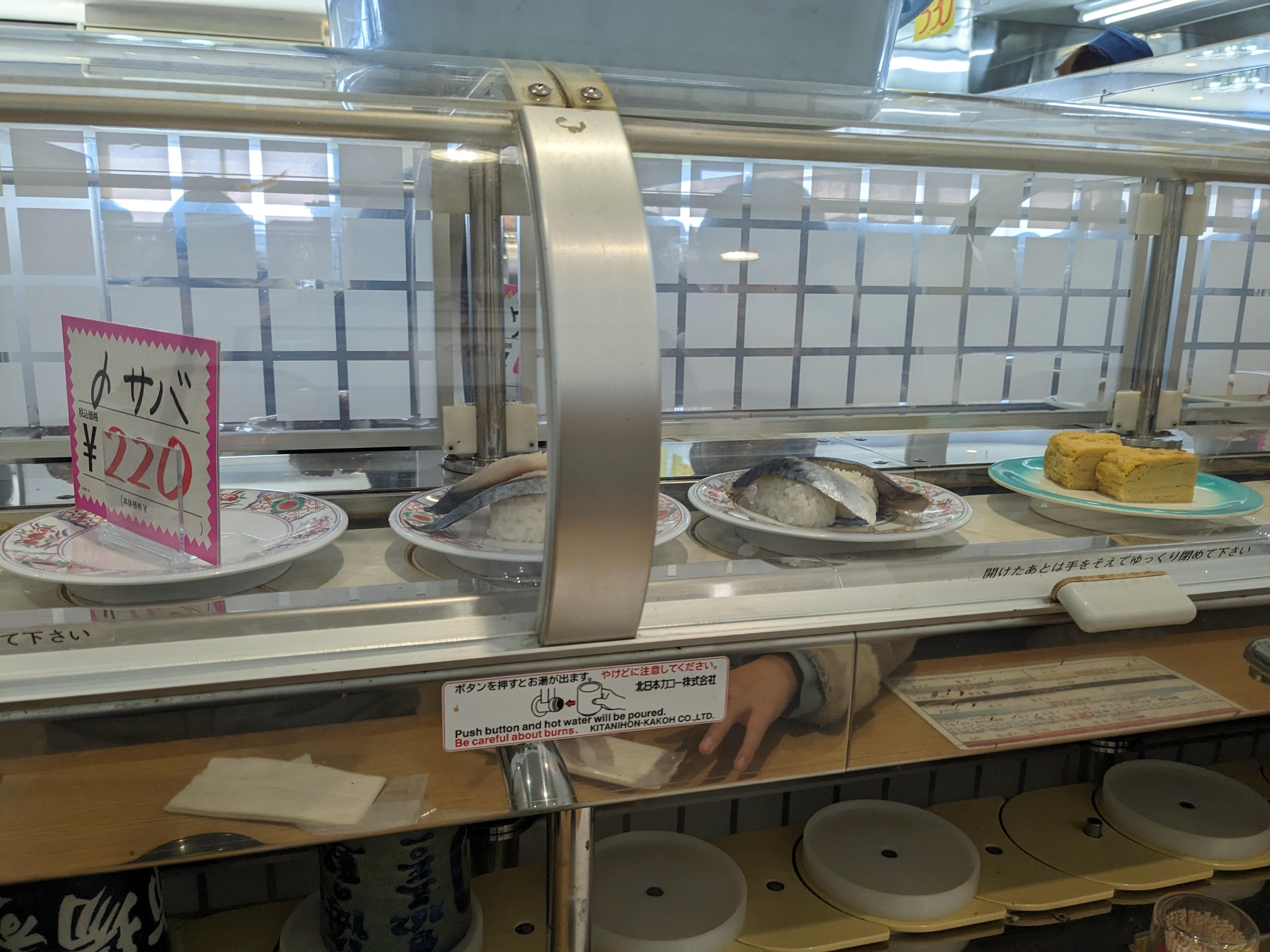 ▲ Lunch at a harbor-town conveyor-belt sushi spot; mackerel nigiri (¥220 incl. tax) first.
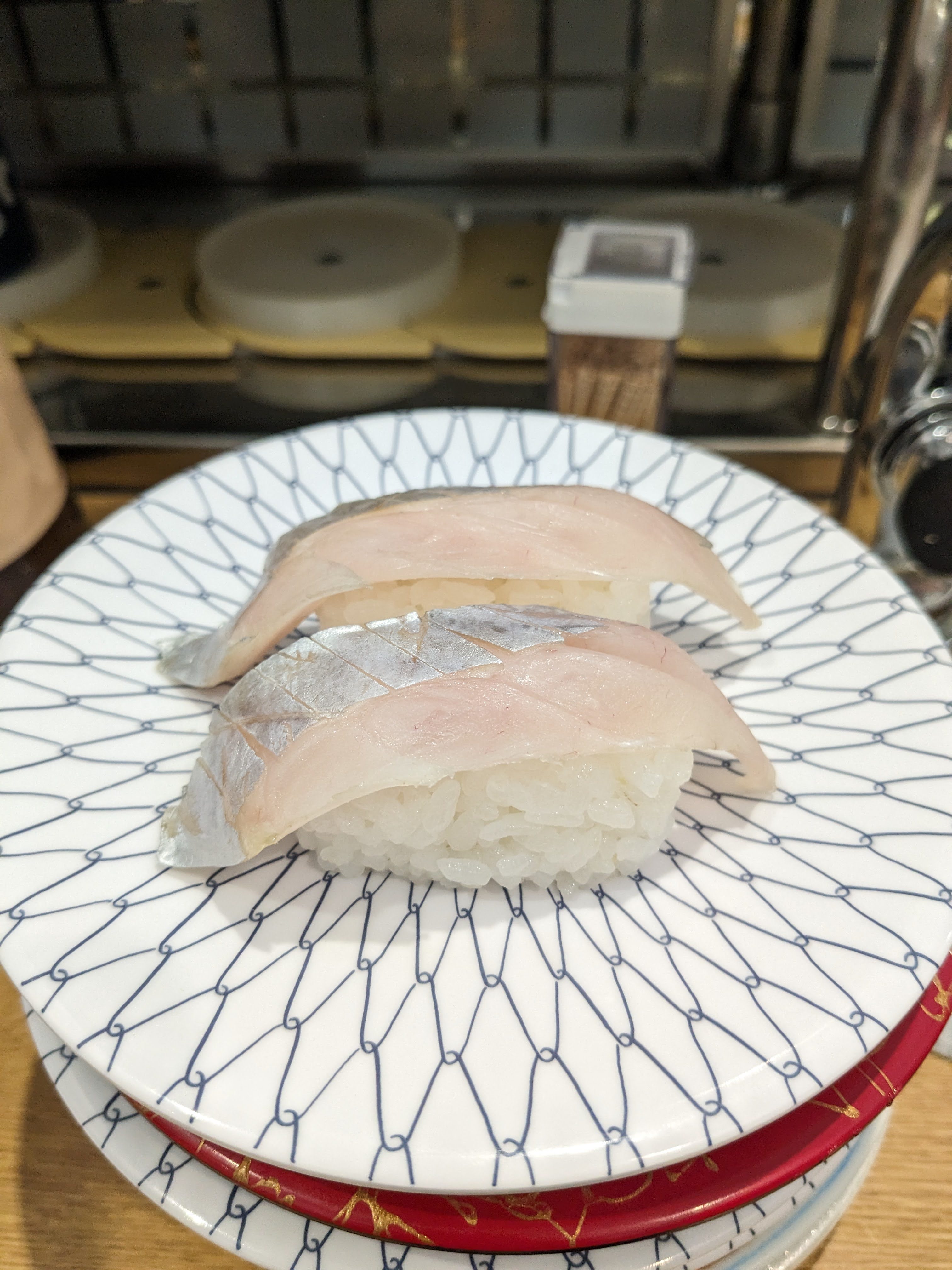 ▲ White-fish nigiri focused on local catch.
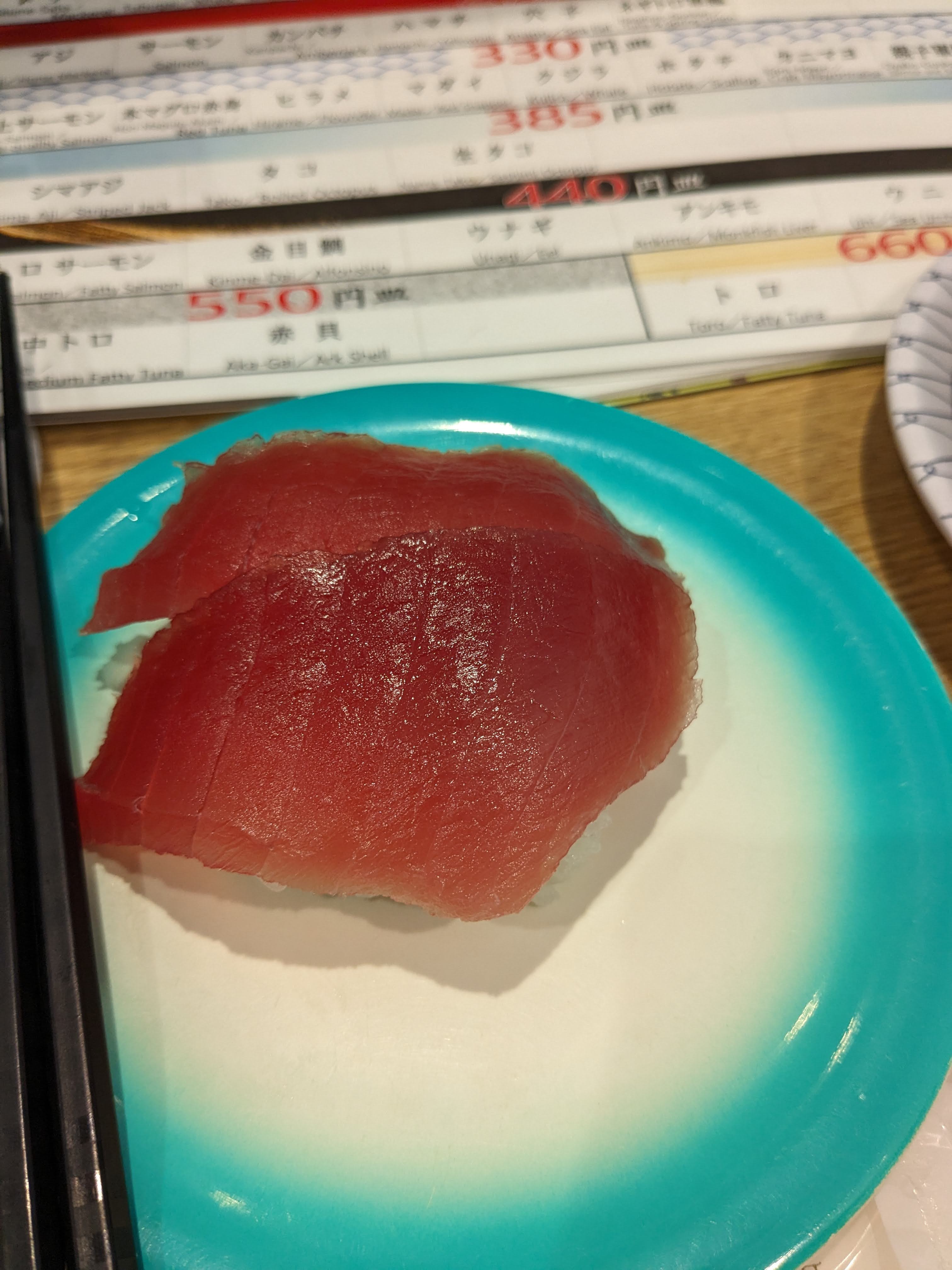 ▲ Tuna nigiri—better than you expect from kaitenzushi.
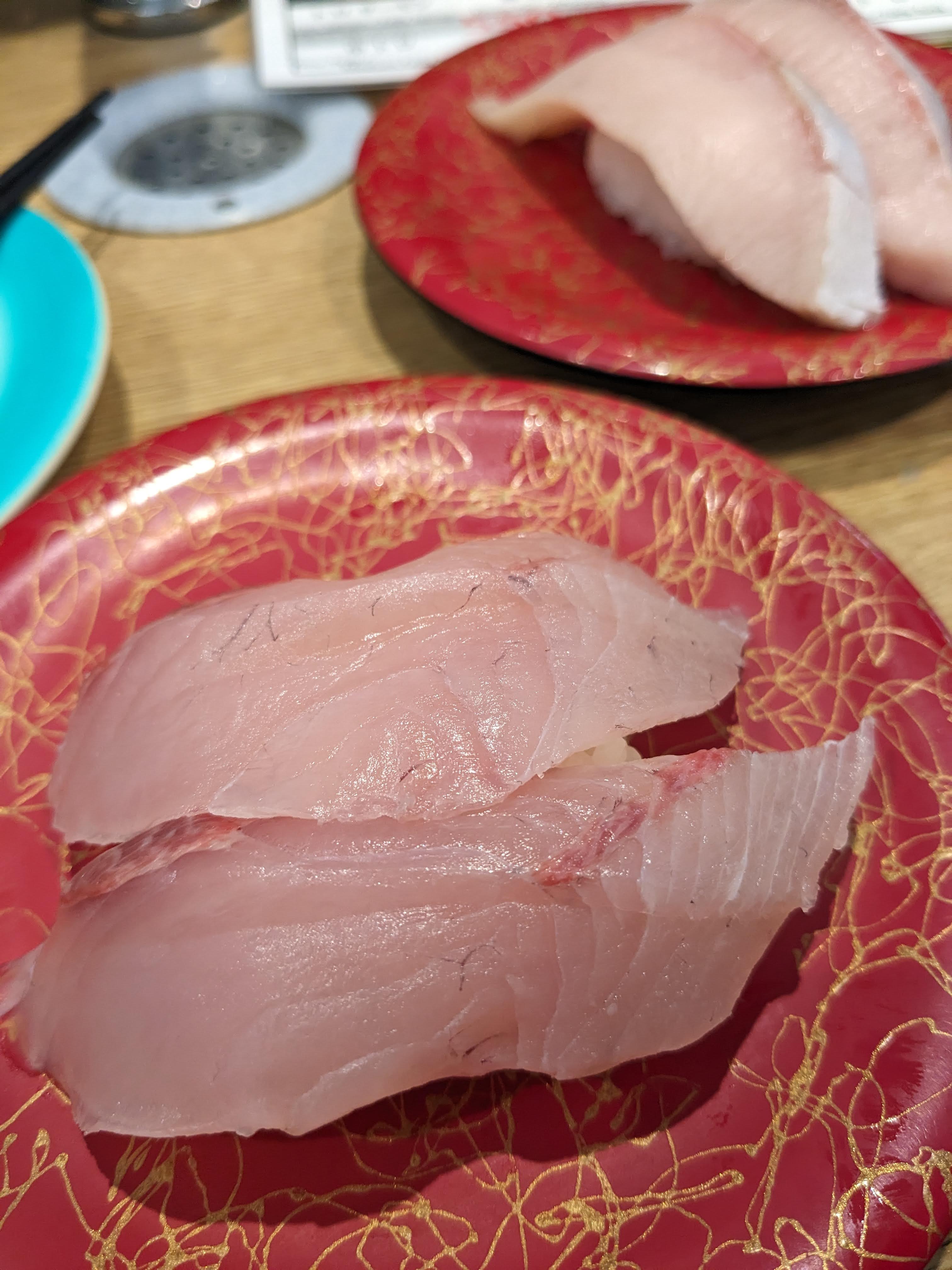 ▲ Fatty white-fish nigiri; sushi tastes special by the sea.
Along the Oarai waterfront, the Pacific past the railing
After lunch we walked the waterfront promenade. Beyond the white railing there is nothing to block the view—just the horizon. The early-March sea breeze was still cold, but there was almost no one around, which made for a few luxurious minutes of having the ocean to ourselves.
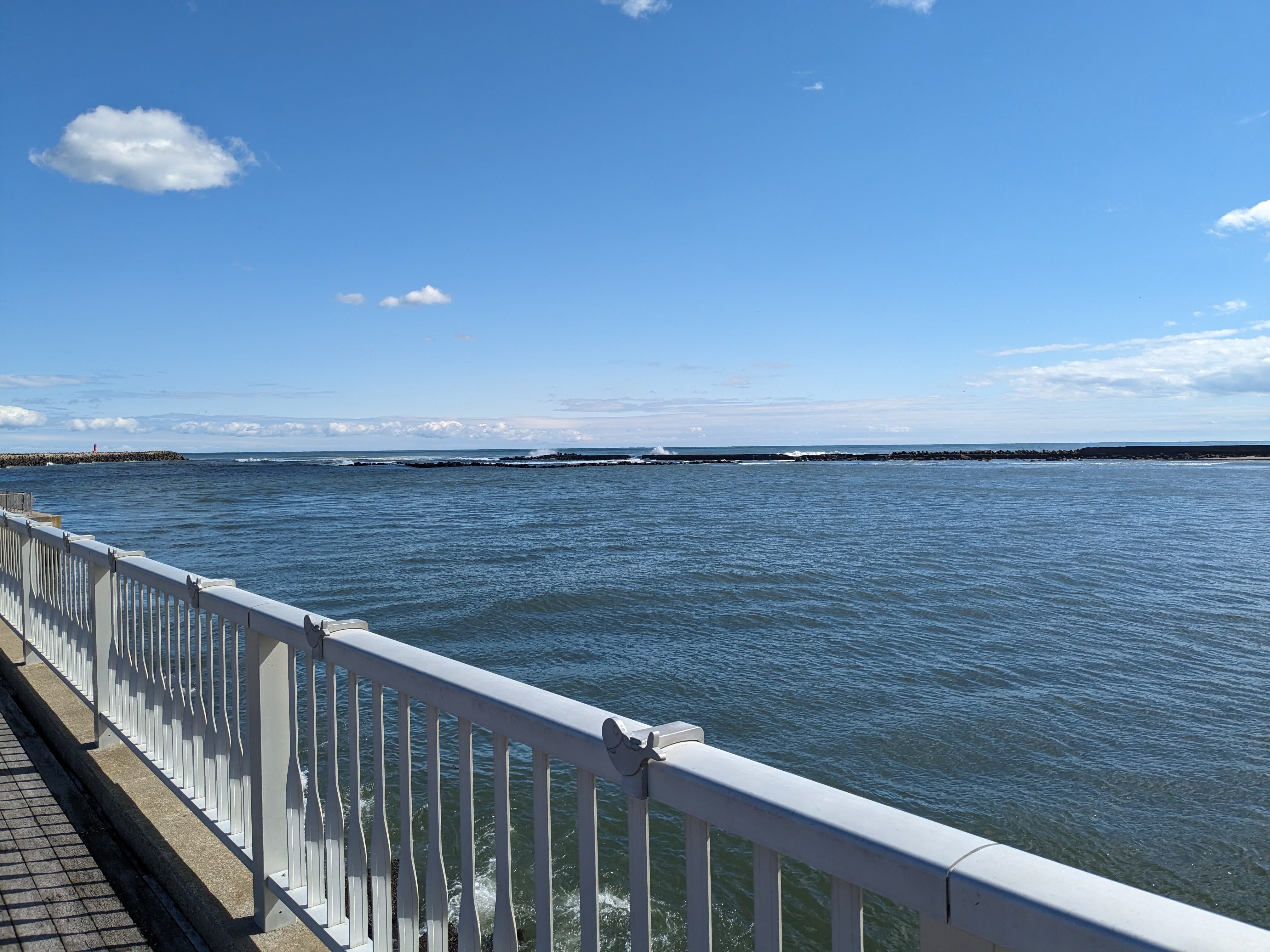 ▲ Oarai waterfront: the Pacific beyond a white railing.
Into Aqua World Oarai: sharks in the big tank first
The afternoon went to Aqua World Ibaraki Oarai Aquarium. The floor map at the entrance shows clearly themed zones, and it pays to take in the whole layout before deciding a route.
The first real impact is the sharks in the giant tank—the sense of scale as they cross overhead does not survive being photographed. In the sandy-bottom tank, catsharks and other bottom dwellers doze quietly, a reminder that “shark” covers completely different ways of living.
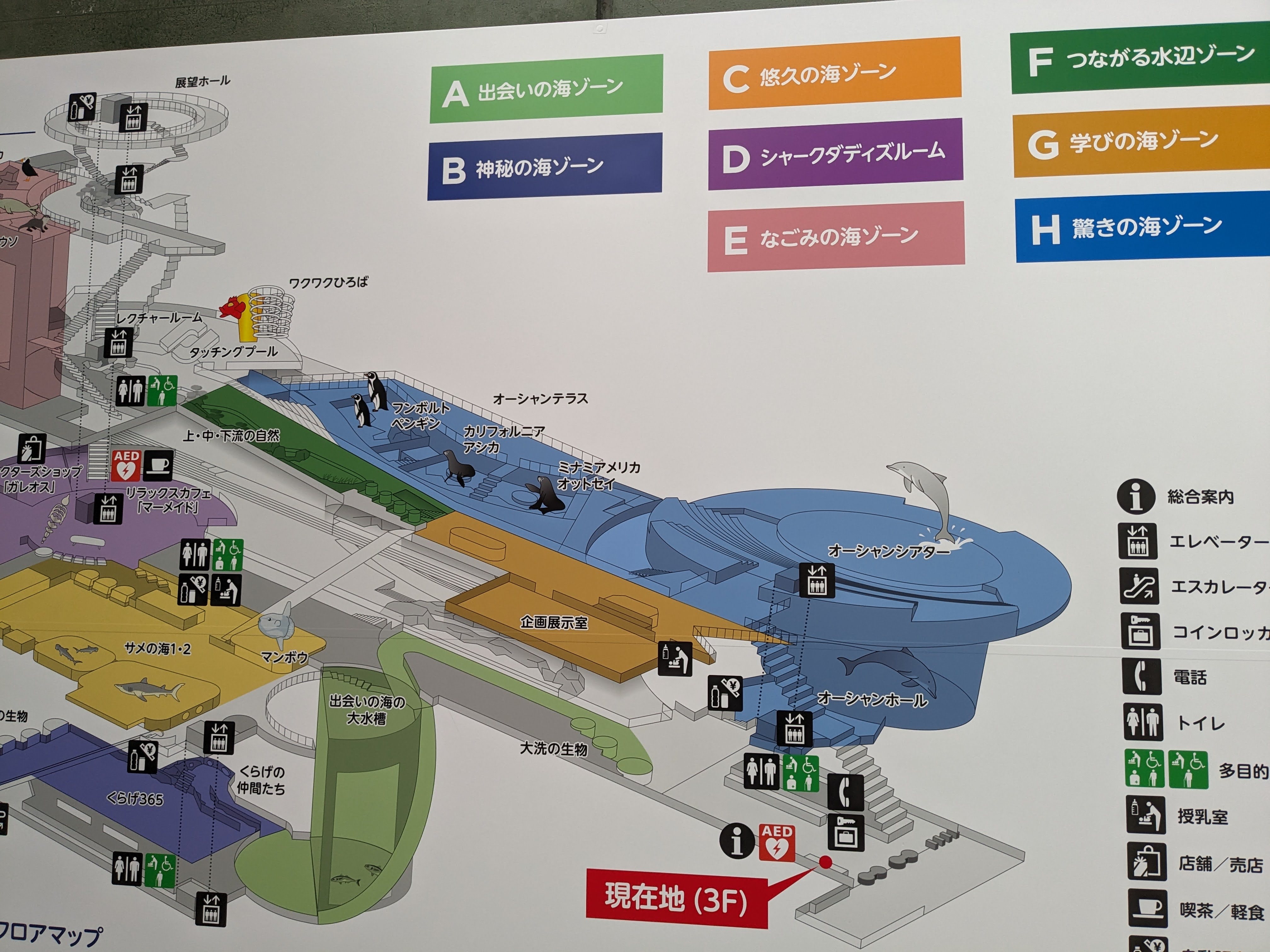 ▲ Aqua World Oarai floor map: themed zones across the building.
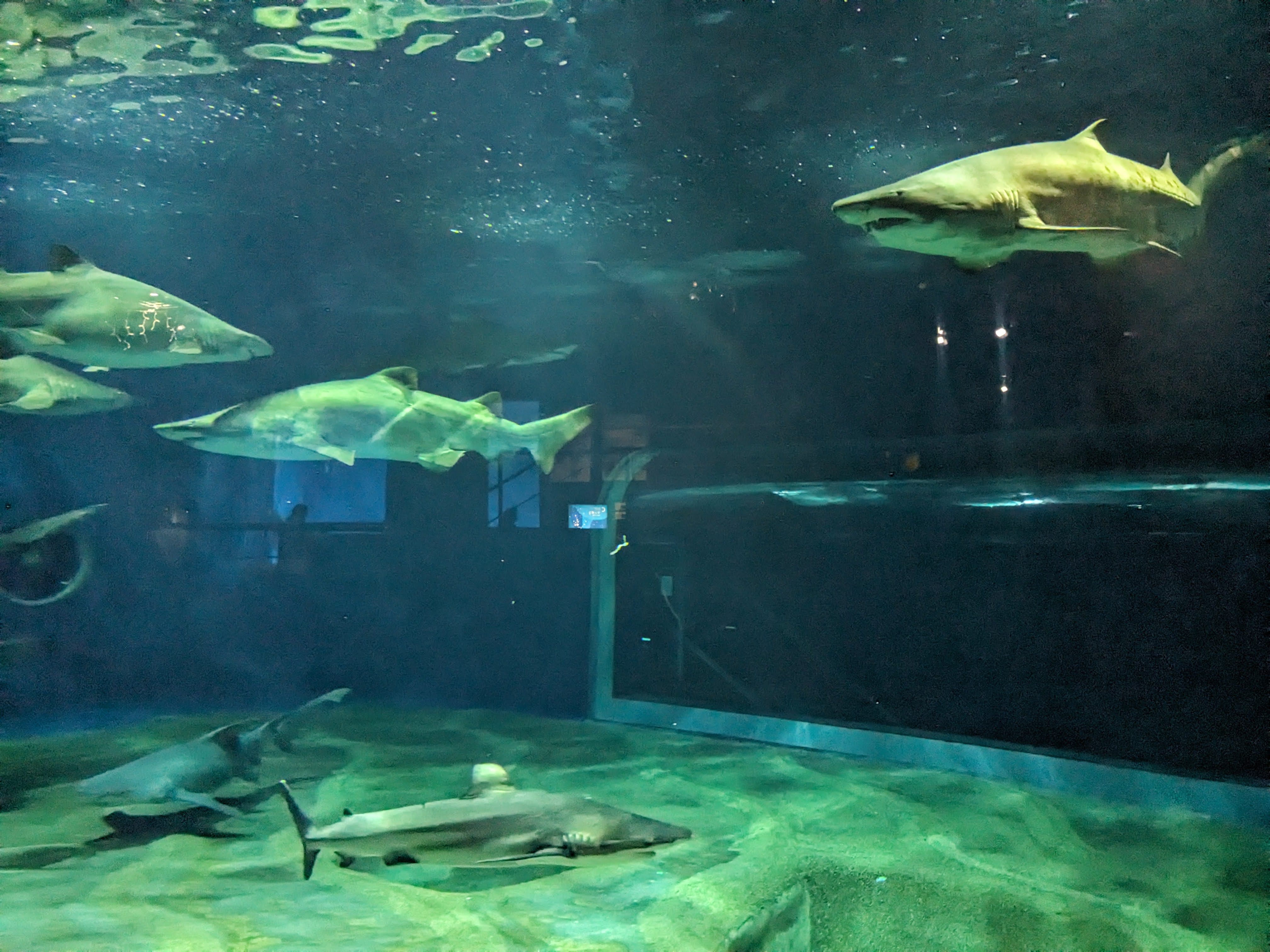 ▲ Sharks in the giant tank—the scale is the first wow moment.
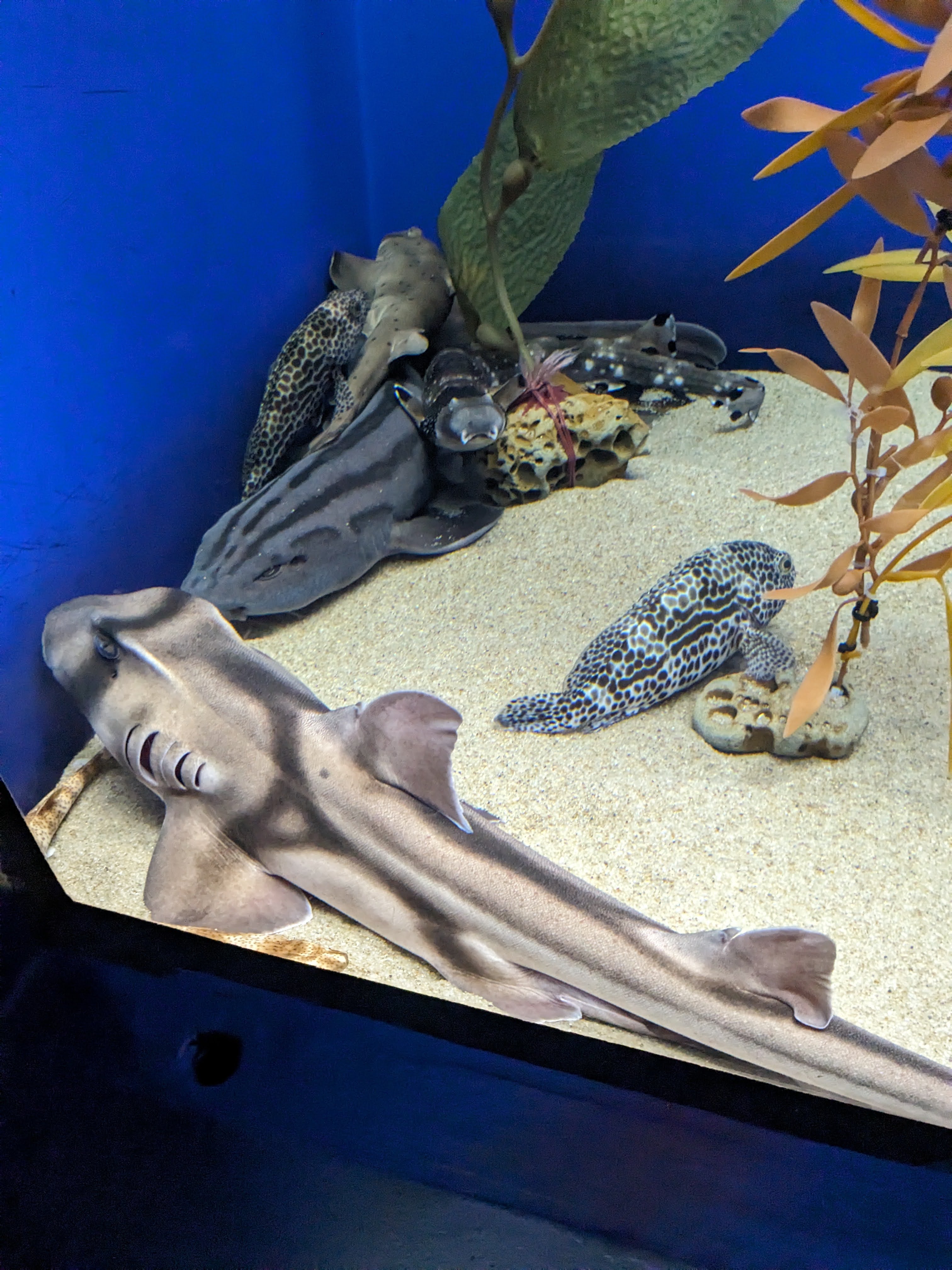 ▲ Sandy-bottom tank: catsharks and other bottom dwellers at ease.
Basking shark taxidermy, reaching for the ceiling
The signature exhibit here is the massive basking shark taxidermy. It hangs in an atrium and nearly touches the ceiling, so every floor gives you a different angle on it—with the Oarai coast visible through the windows behind.
Head-on, the grill-like gill rakers around the mouth are the striking part. The filter-feeding biology is written directly into the shape, and it only really lands once you are standing in front of the real thing.
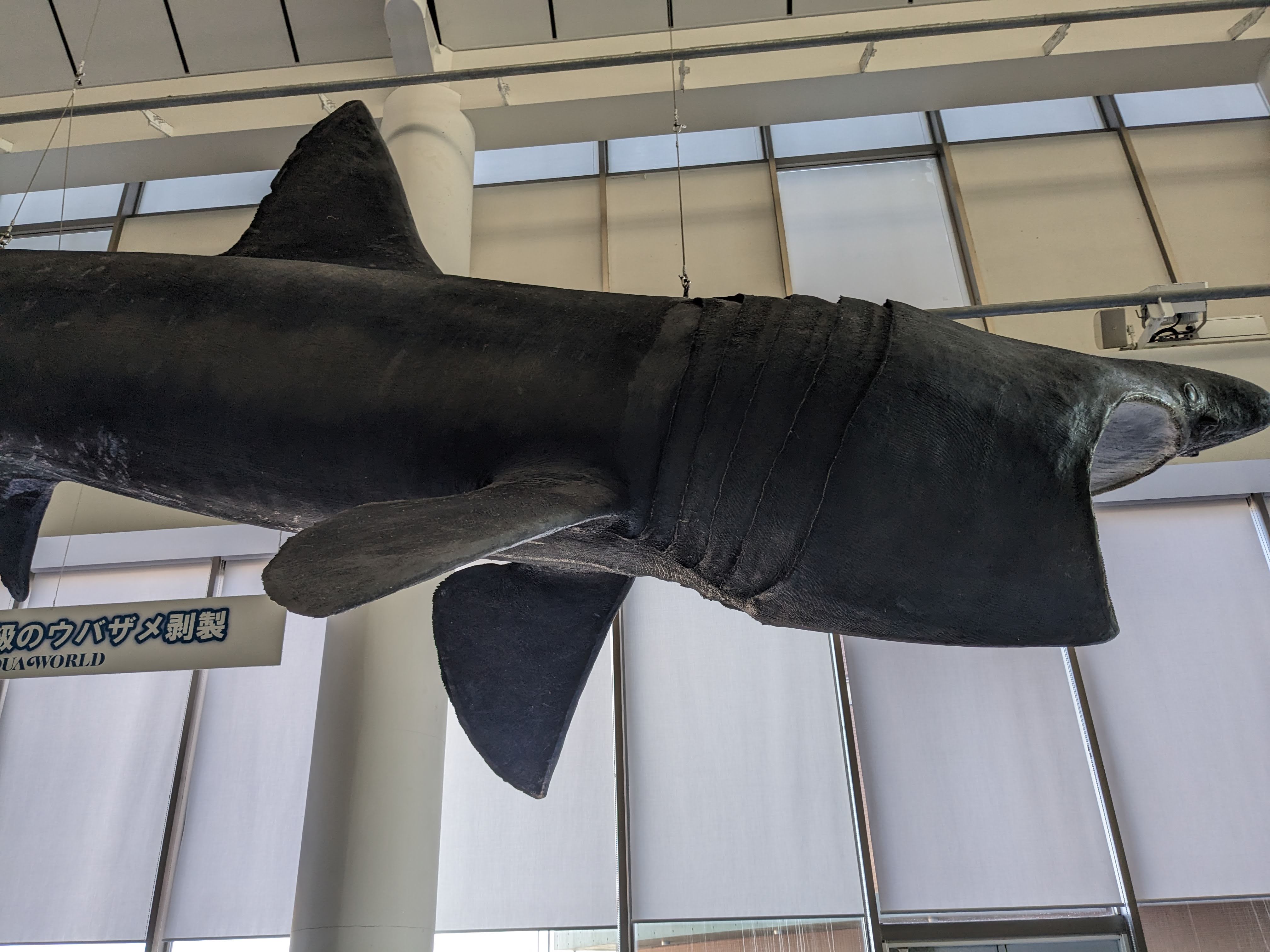 ▲ Massive basking-shark taxidermy reaching toward the ceiling.
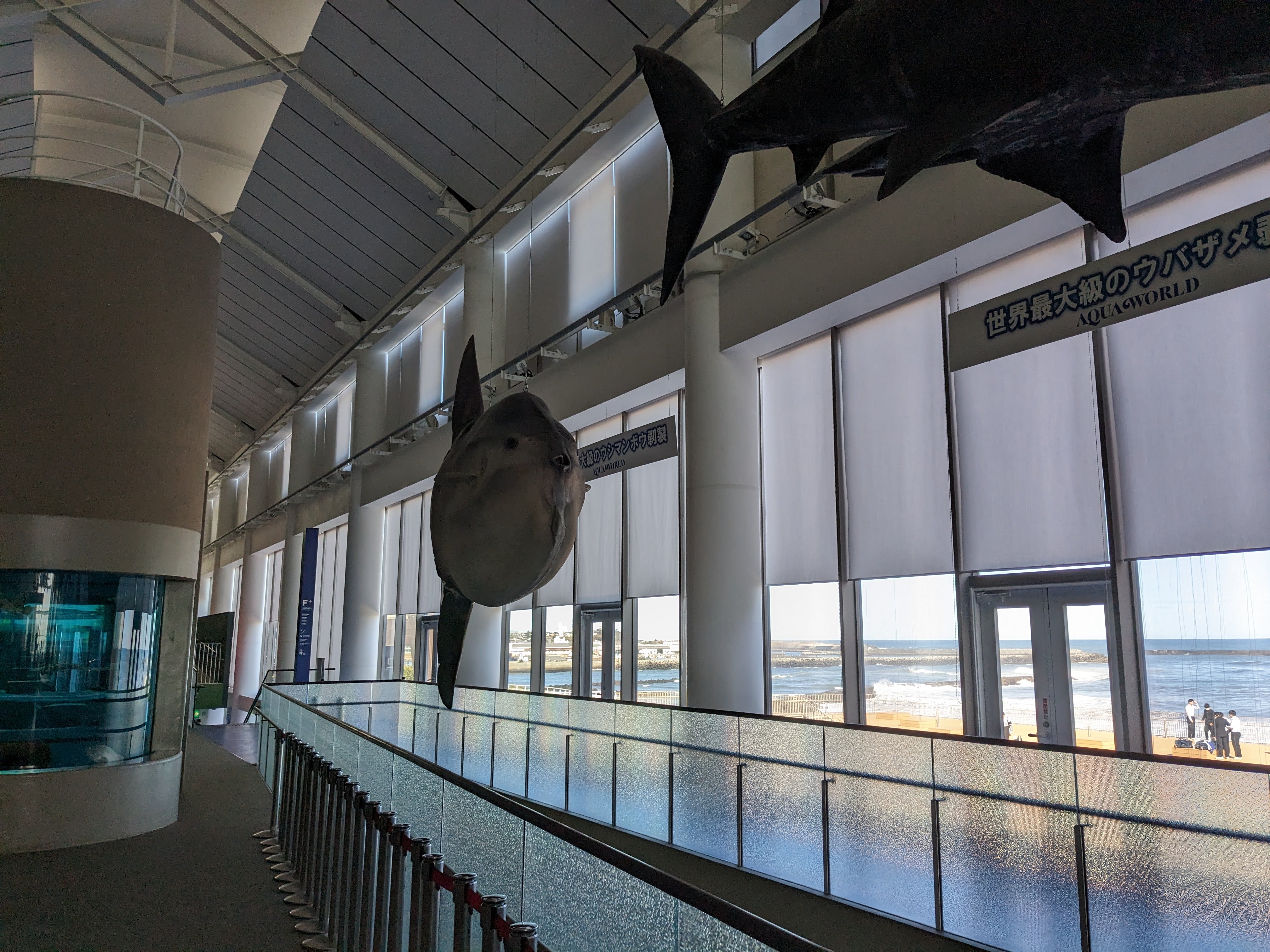 ▲ Basking shark and sunfish displays in an atrium with a view of the Oarai coast.
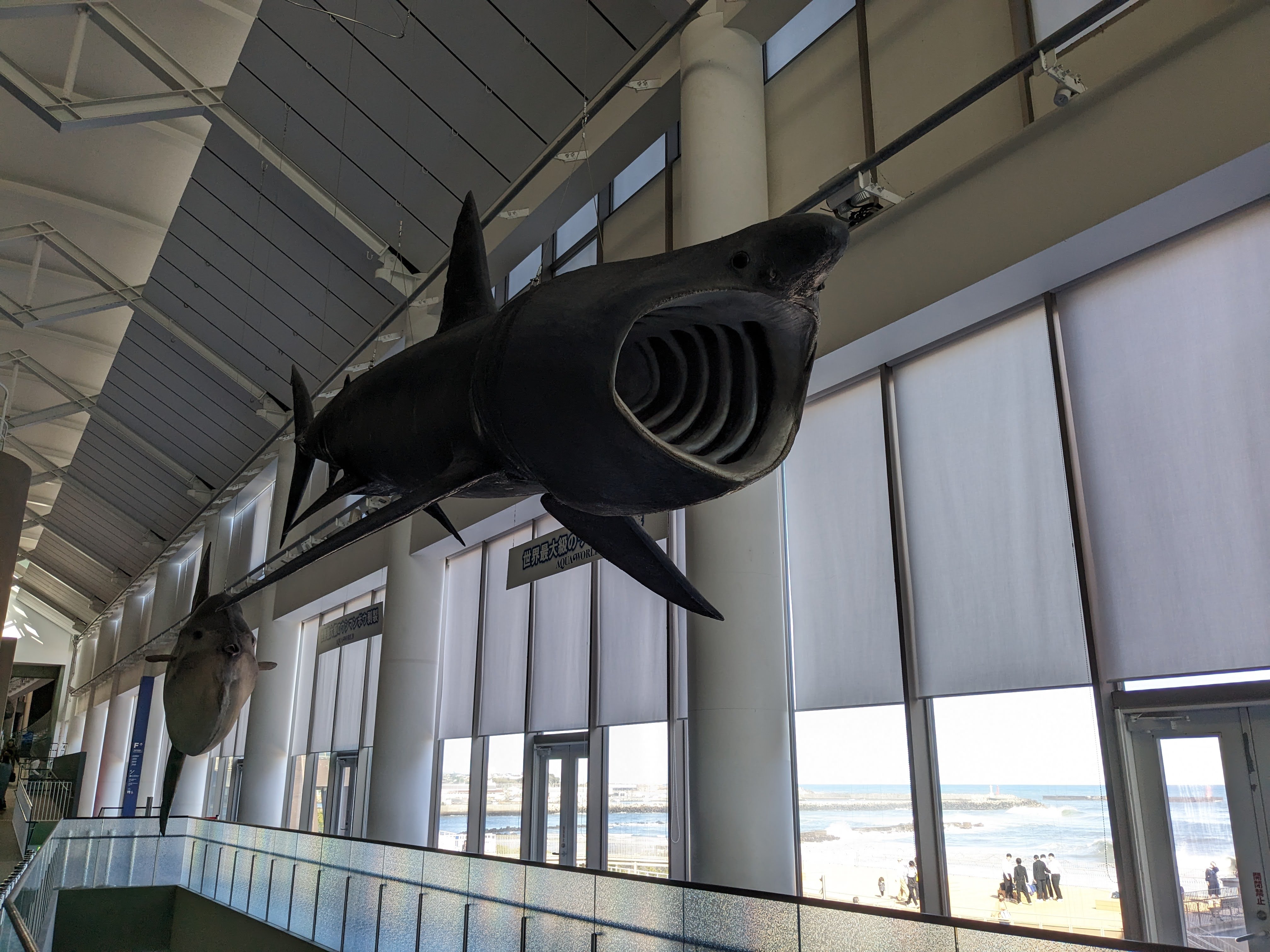 ▲ Head-on view of the basking shark’s mouth and gill rakers.
Sea lion show, then a café with a sea view
The sea lion performance draws cheers from the stands. Show times are fixed, so checking the schedule before touring the building turned out to be the right call.
Afterwards we stopped at the in-house café, where the window seats face the sea, for a blue drink and a rest. There is enough on display here that sitting down once partway through helps you stay attentive to the end.
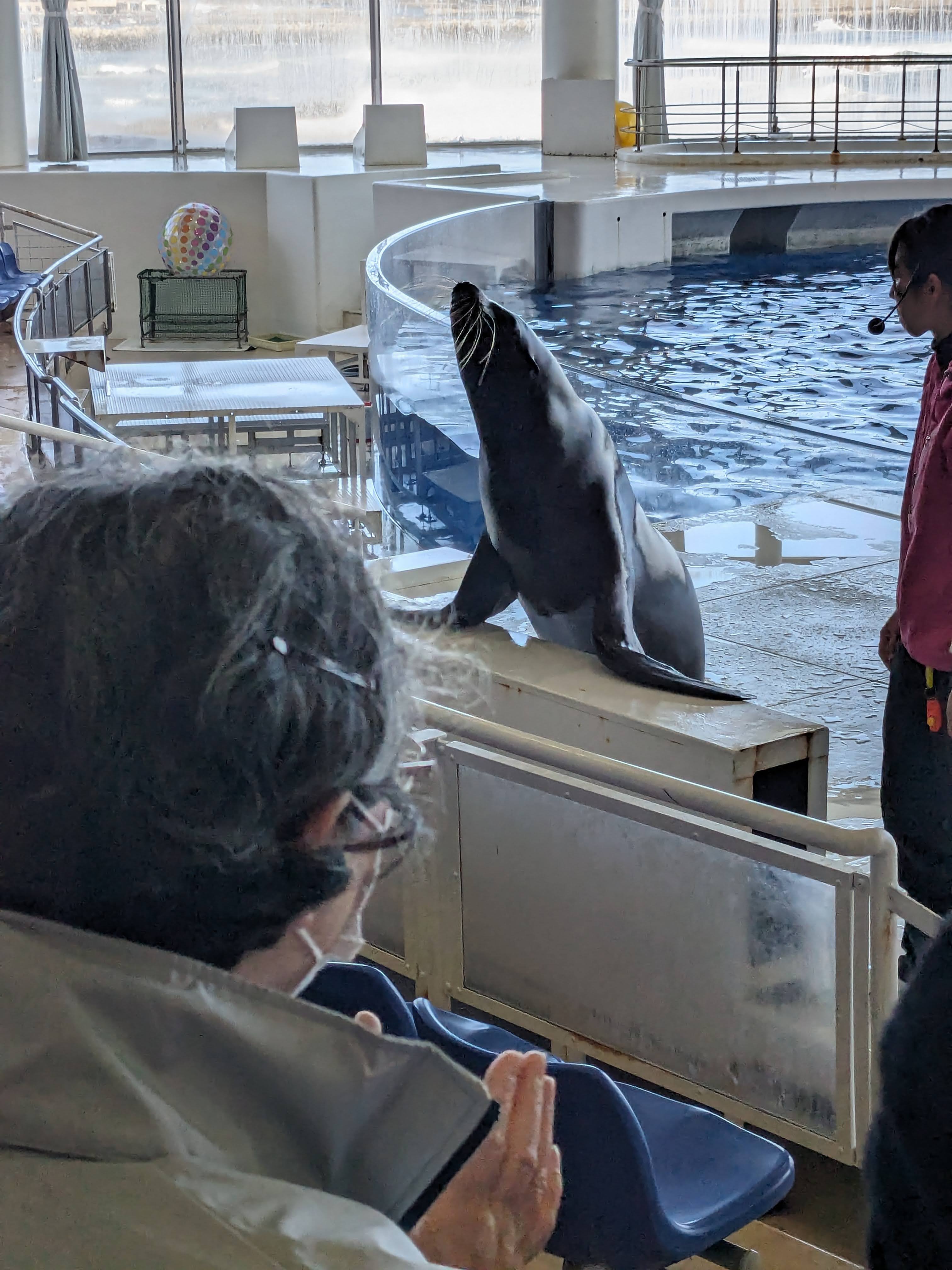 ▲ Sea lion show; cheers from the audience.
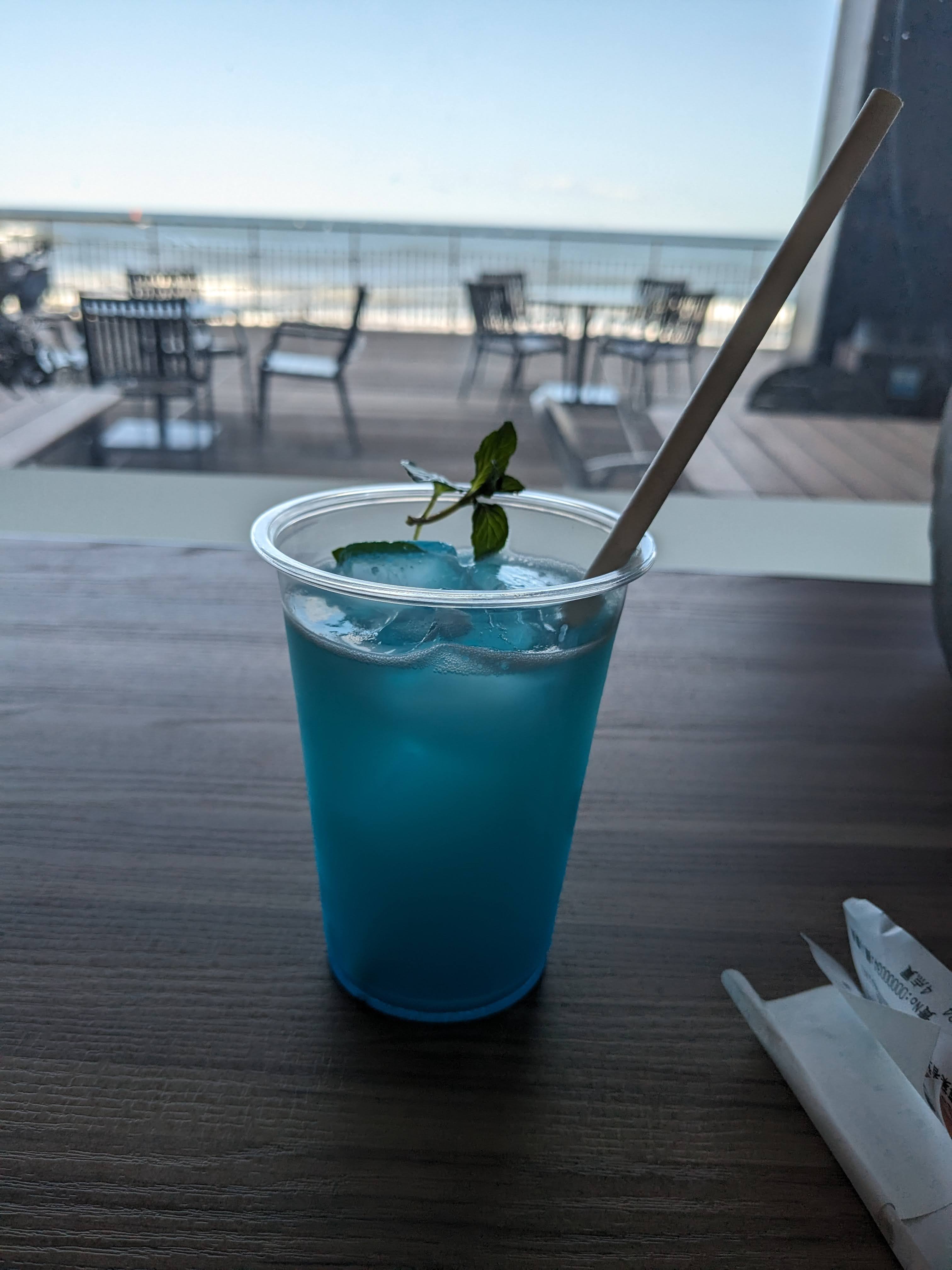 ▲ Blue-toned drink at the aquarium café; ocean view from the window seats.
Ancient shark jaws and spotted seals
The fossil shark jaw is displayed with a size comparison against living species. It looks large enough to stand inside, and the fact that this animal actually swam is simply humbling.
The spotted seals were in full nap mode in a wooden hut. In the water they become a different animal entirely, gliding past with their spot patterns clearly visible. We waited a while to catch a profile crossing near the surface.
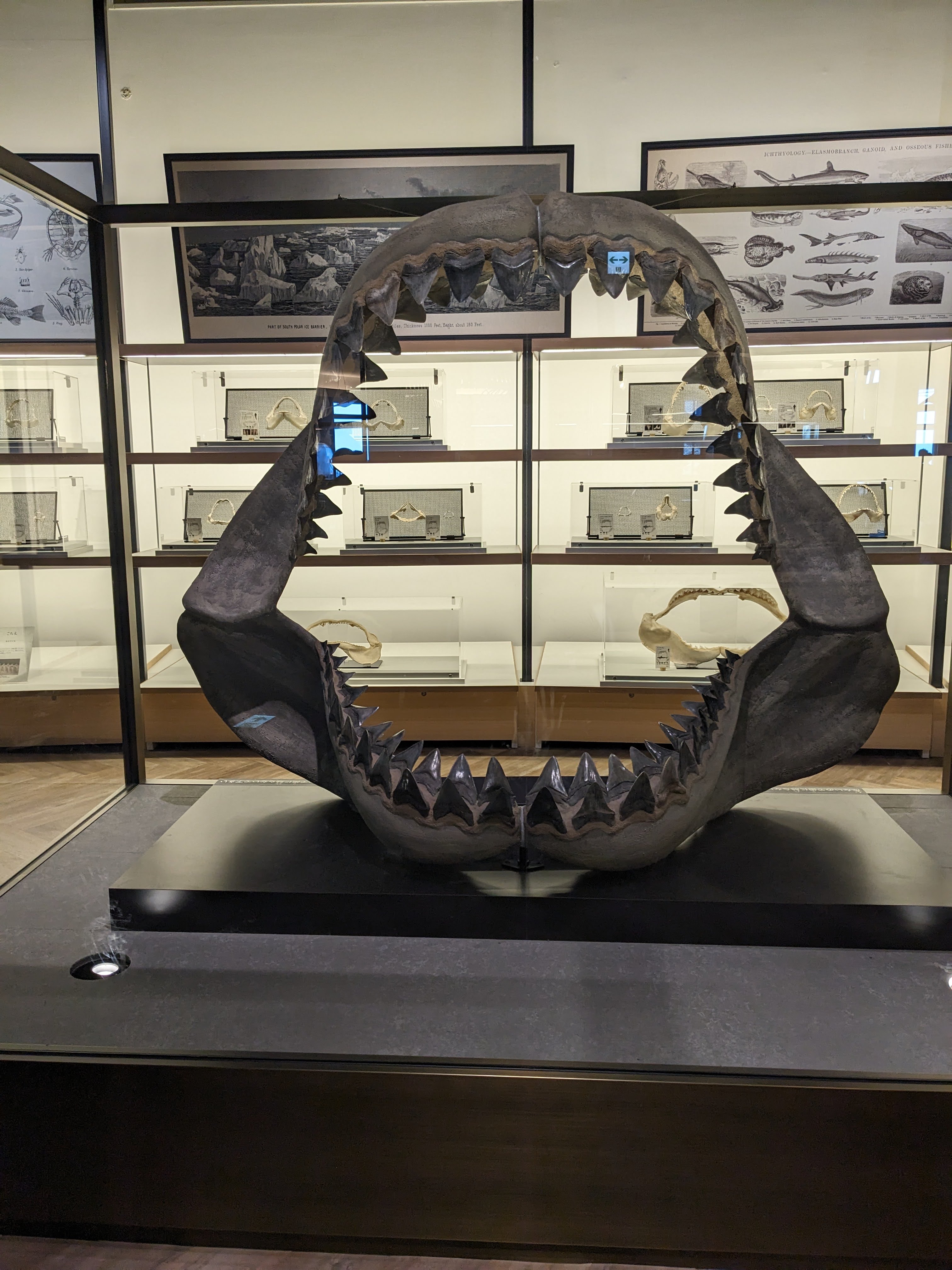 ▲ Ancient shark jaw fossils dwarf modern species in the display.
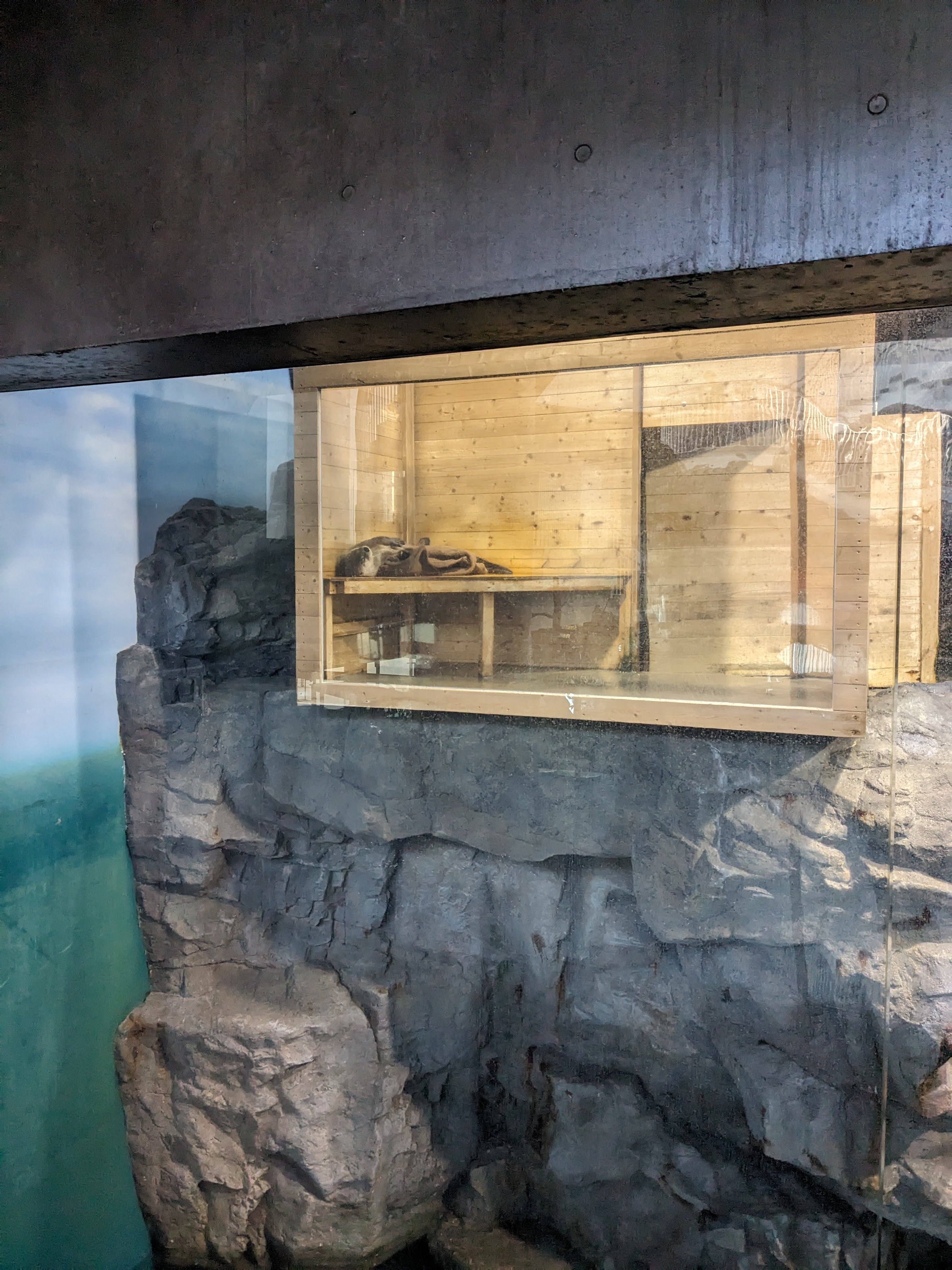 ▲ Spotted seal napping in a wooden shelter.
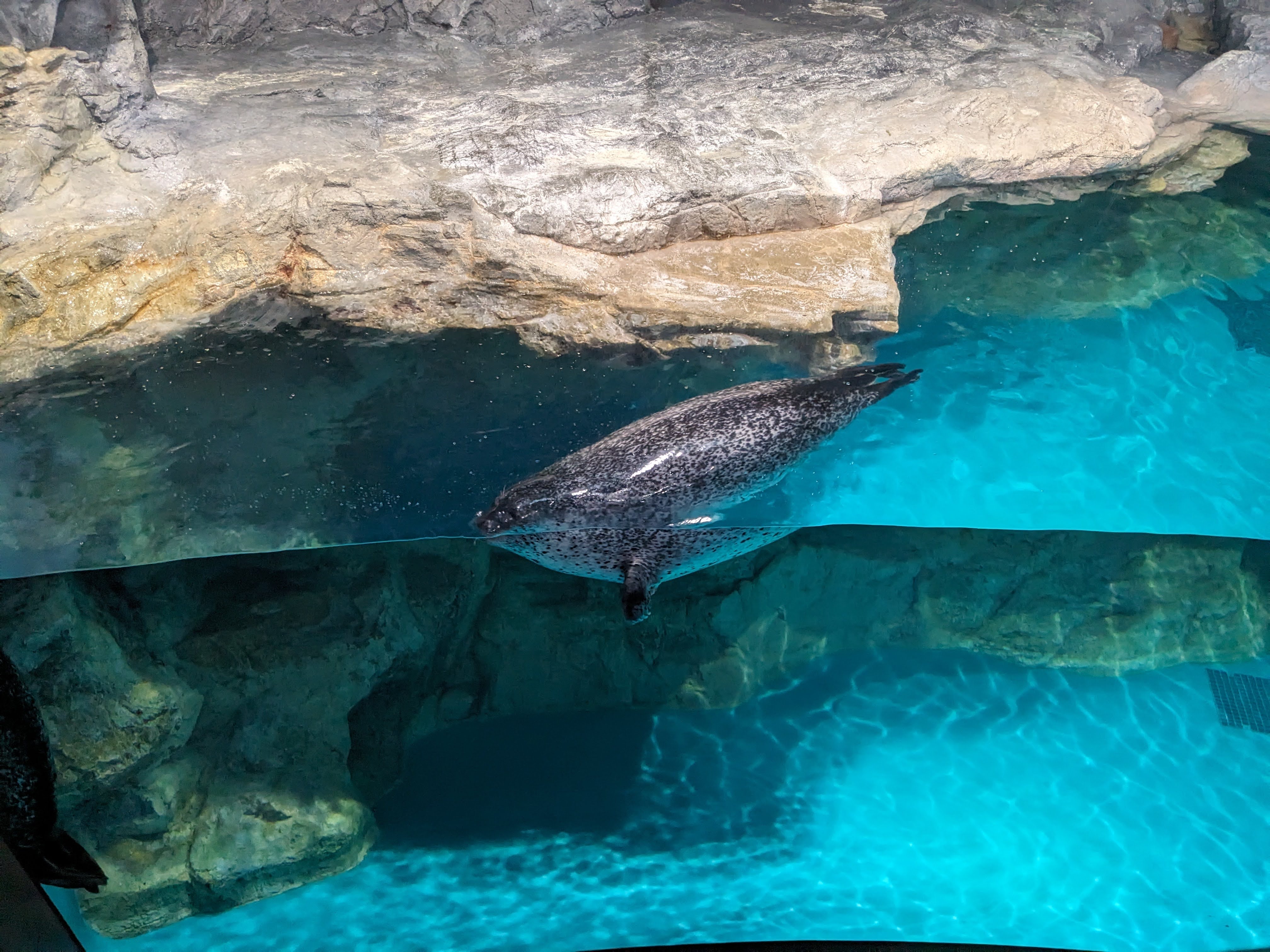 ▲ Spotted seal swimming—spots clearly visible underwater.
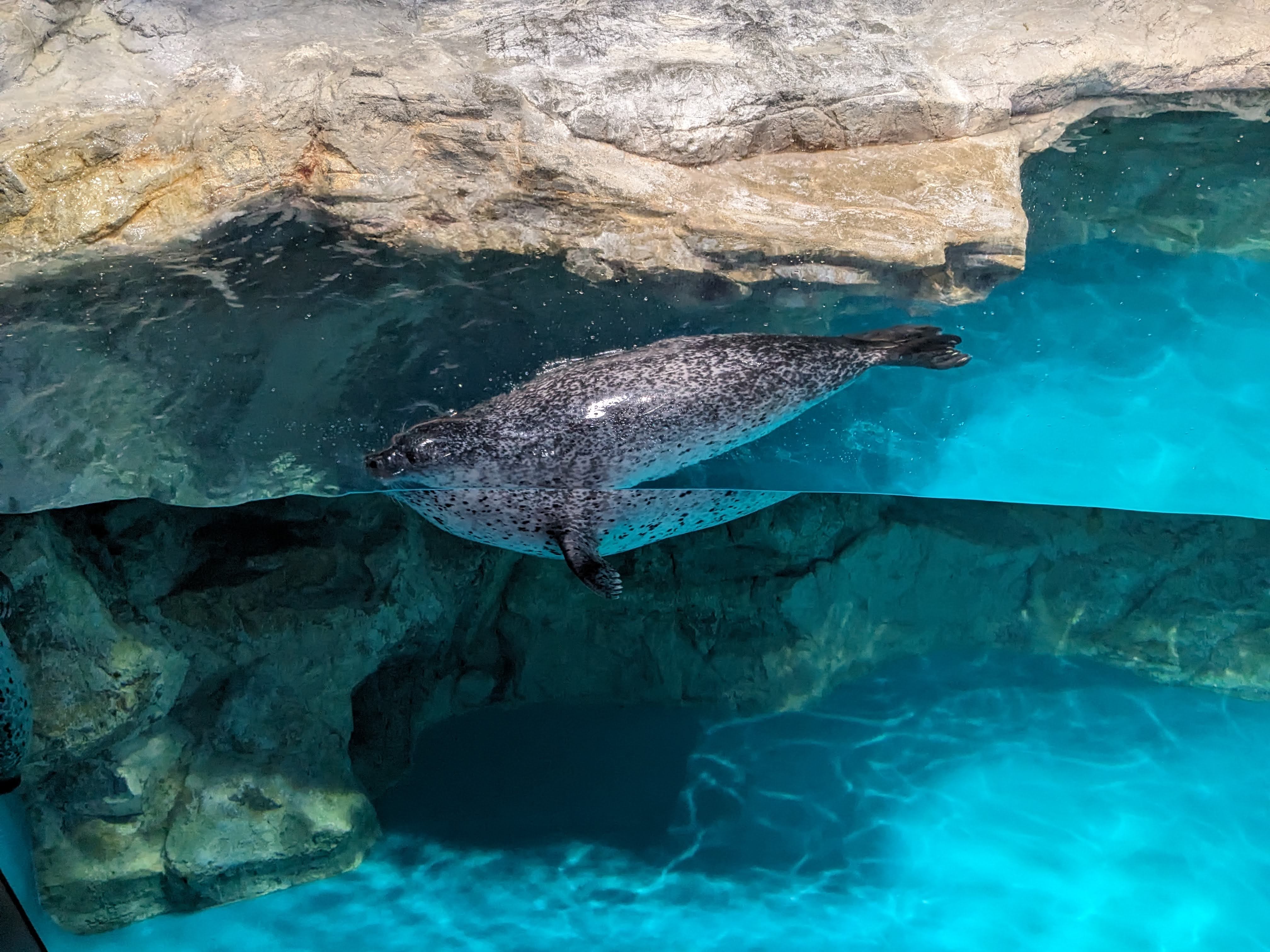 ▲ Spotted seal in profile, swimming near the surface.
Deep-sea corner: ocean sunfish and oarfish
The building uses spiral stairs and an atrium so the route runs vertically as well as horizontally.
The ocean sunfish skin specimen comes with panels explaining details such as its beak-like teeth, which is useful preparation before seeing the live animal. The oarfish display pairs a panel on both its biology and its legends with a specimen in a glass case, and together they convey the scale of the deep sea. The Humboldt penguins on their rocks wear coloured wing tags for individual management—a glimpse of the keepers’ side of things.
Last came the live sunfish drifting through blue water. That body shape moving at that pace is something you could watch indefinitely.
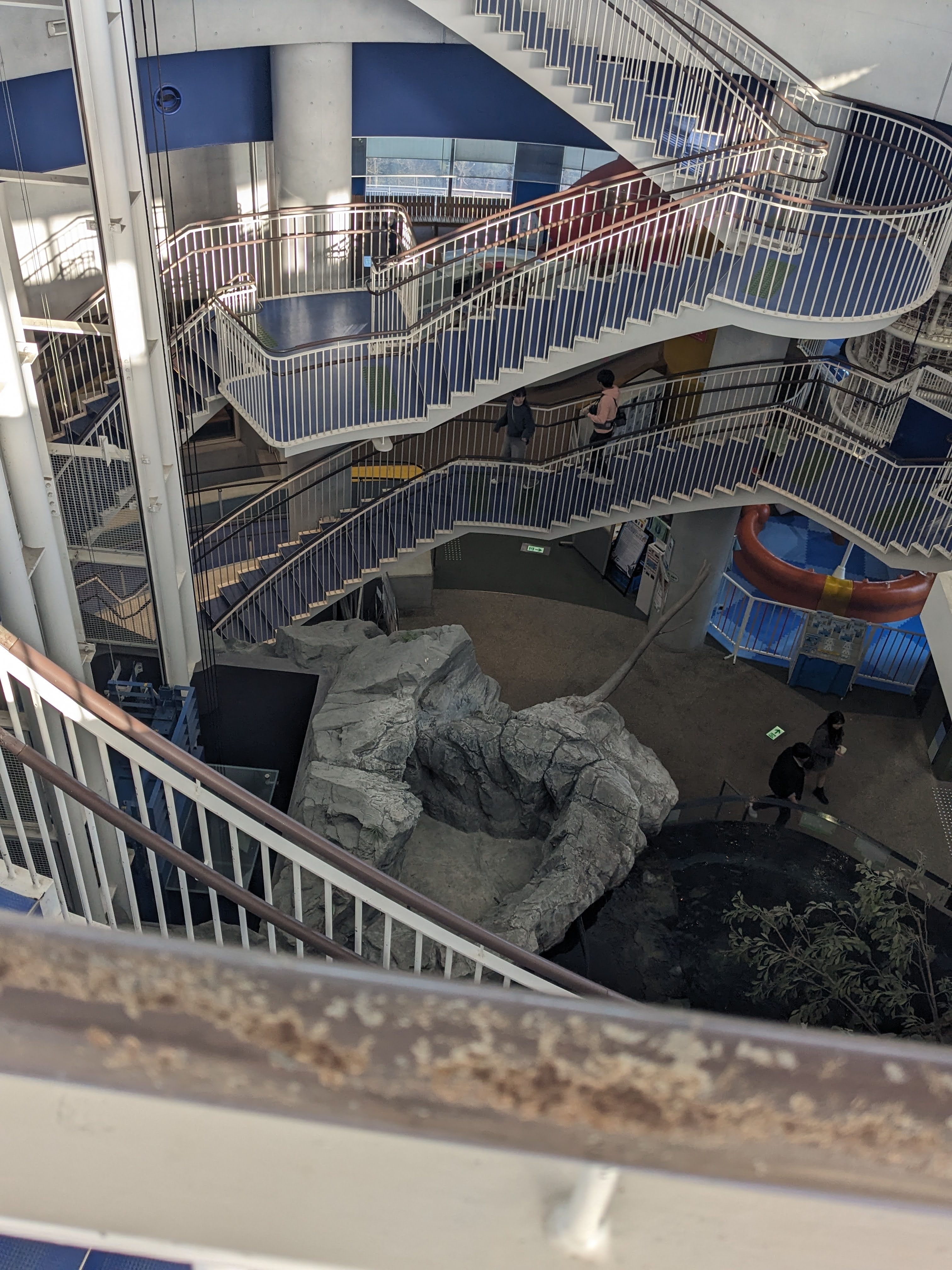 ▲ Spiral staircase and atrium—you tour across multiple floors.
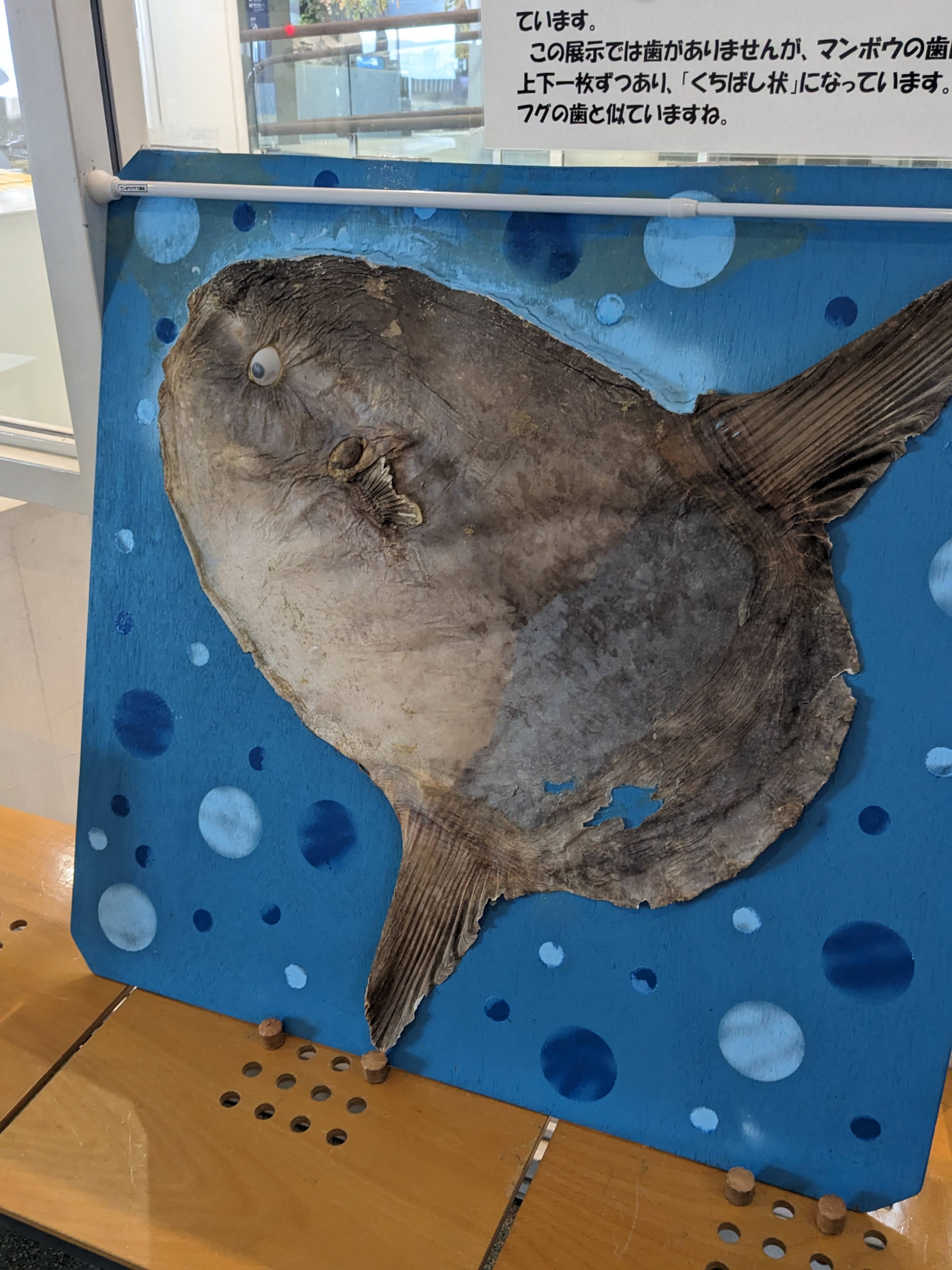 ▲ Ocean sunfish skin specimen and panels on its beak-like teeth.
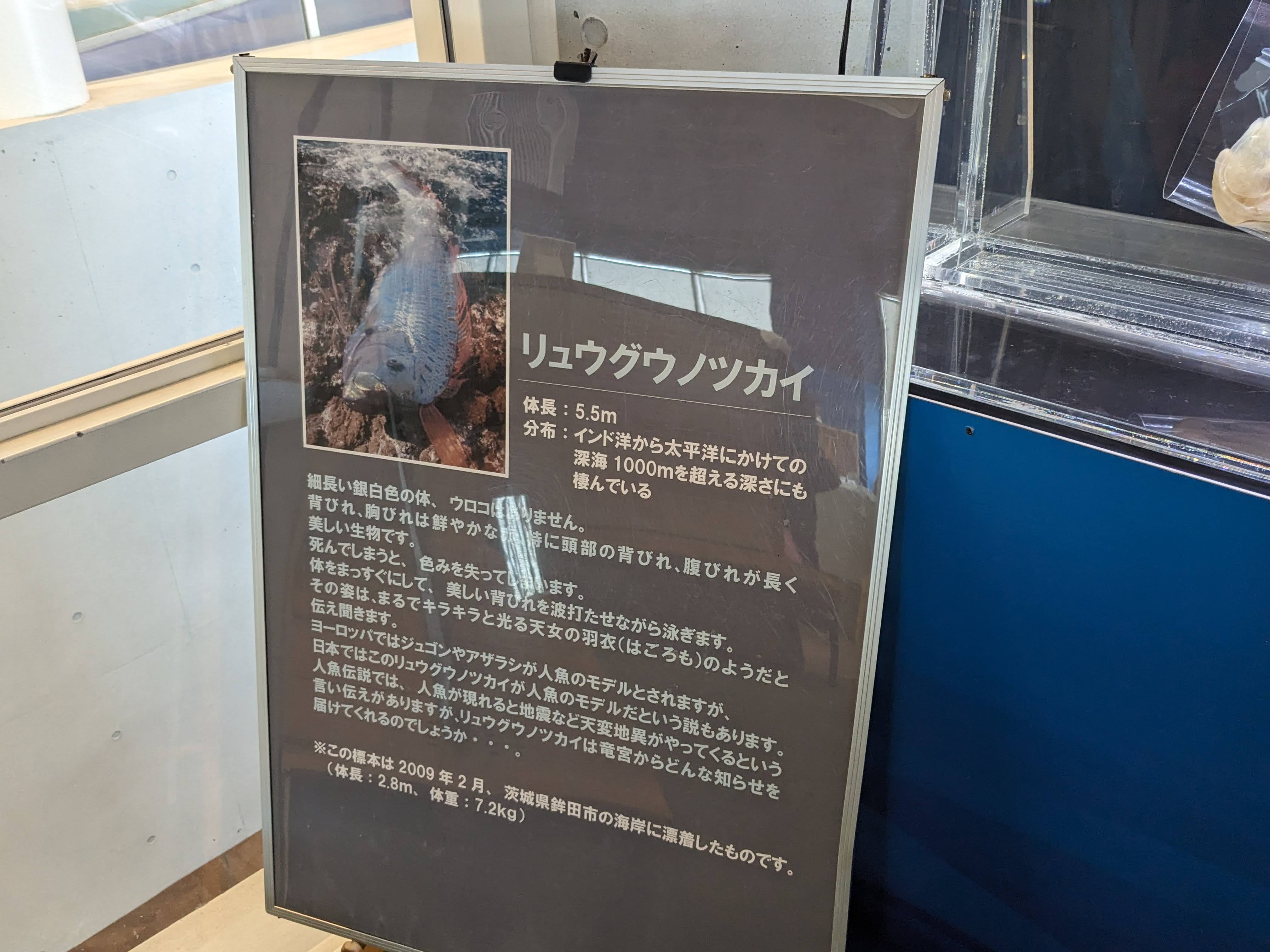 ▲ Oarfish exhibit: deep-sea biology and legends on the sign.
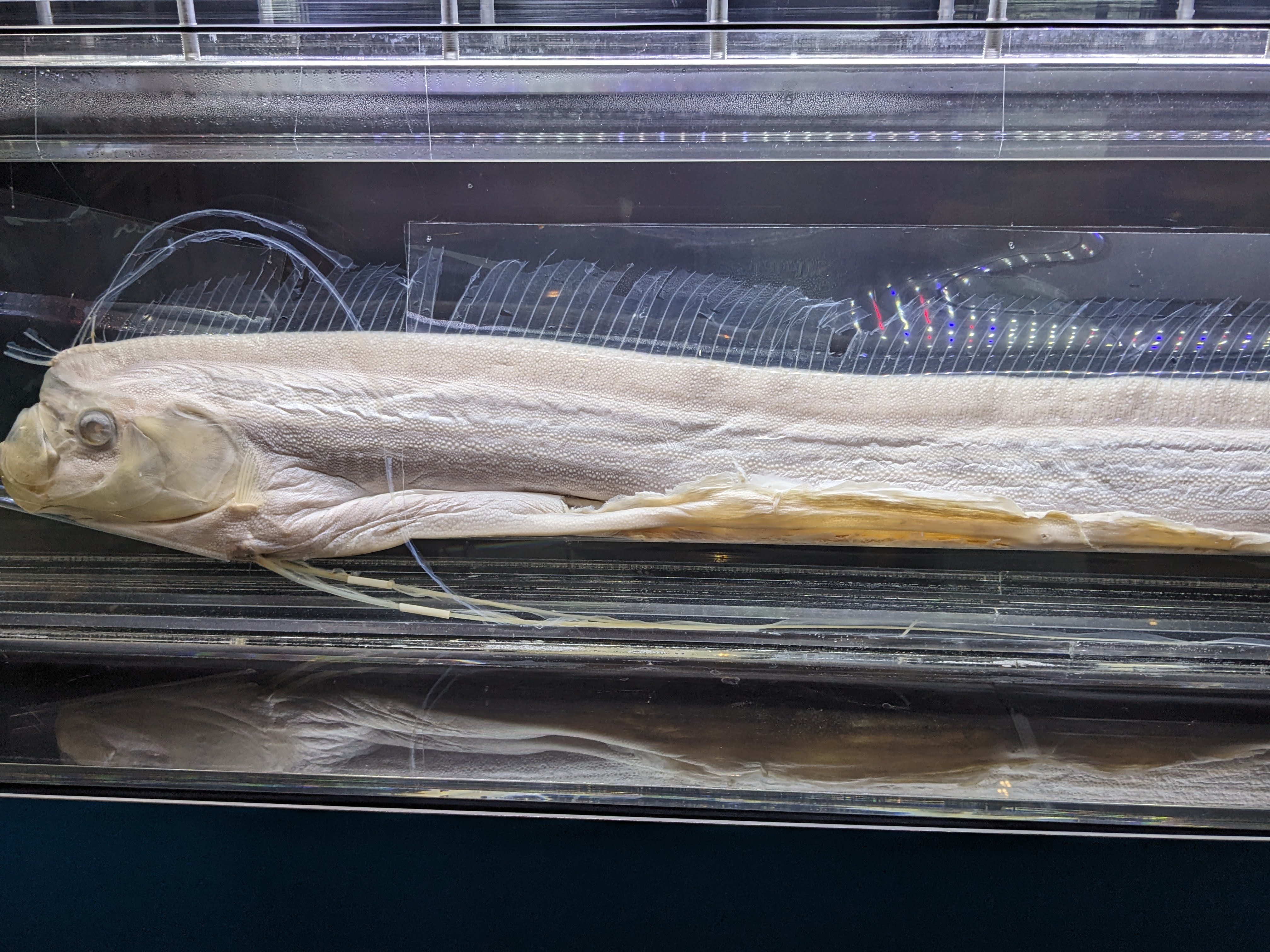 ▲ Preserved oarfish in a long glass case.
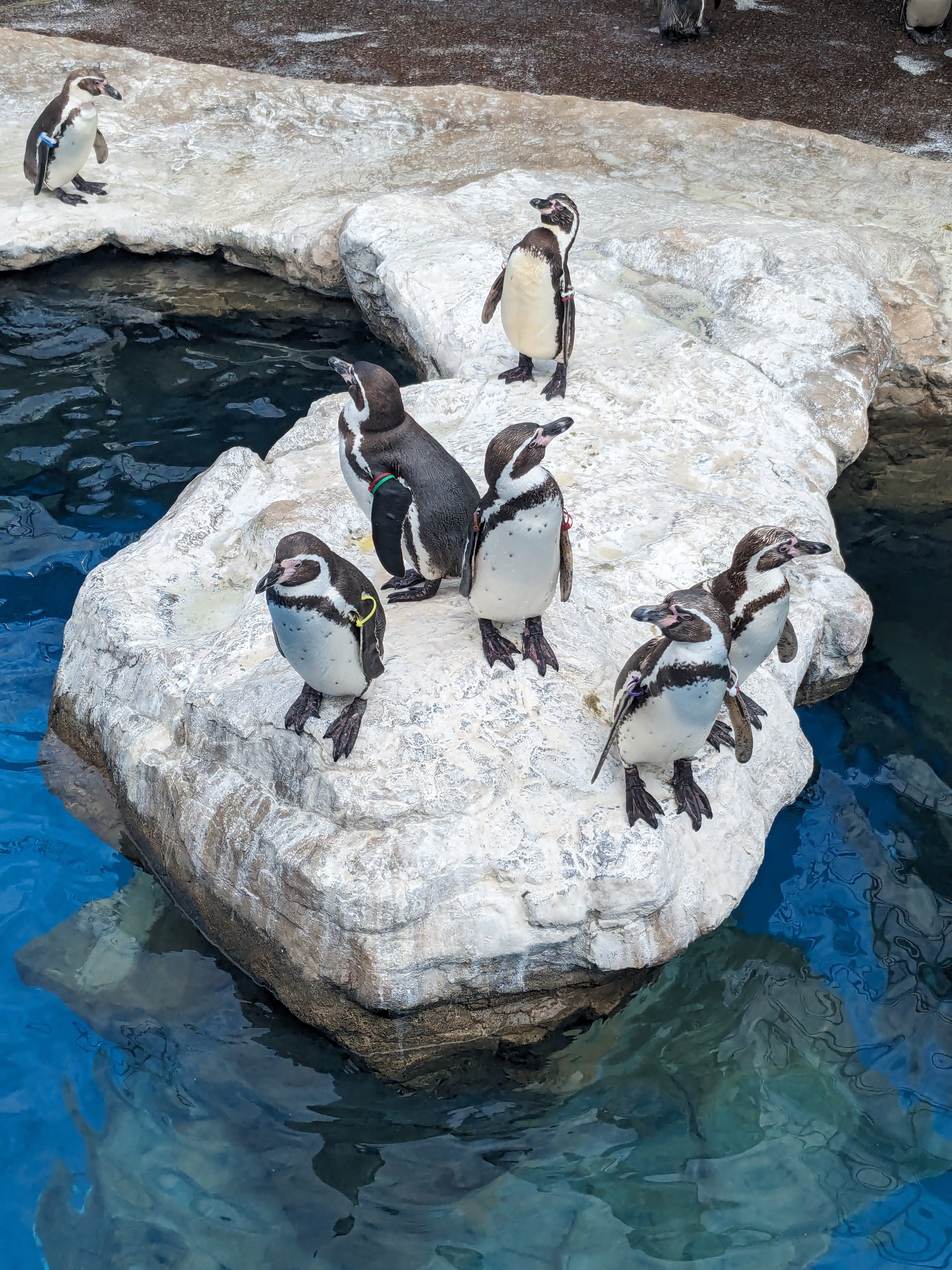 ▲ Humboldt penguins on rocks with colored wing tags for ID.
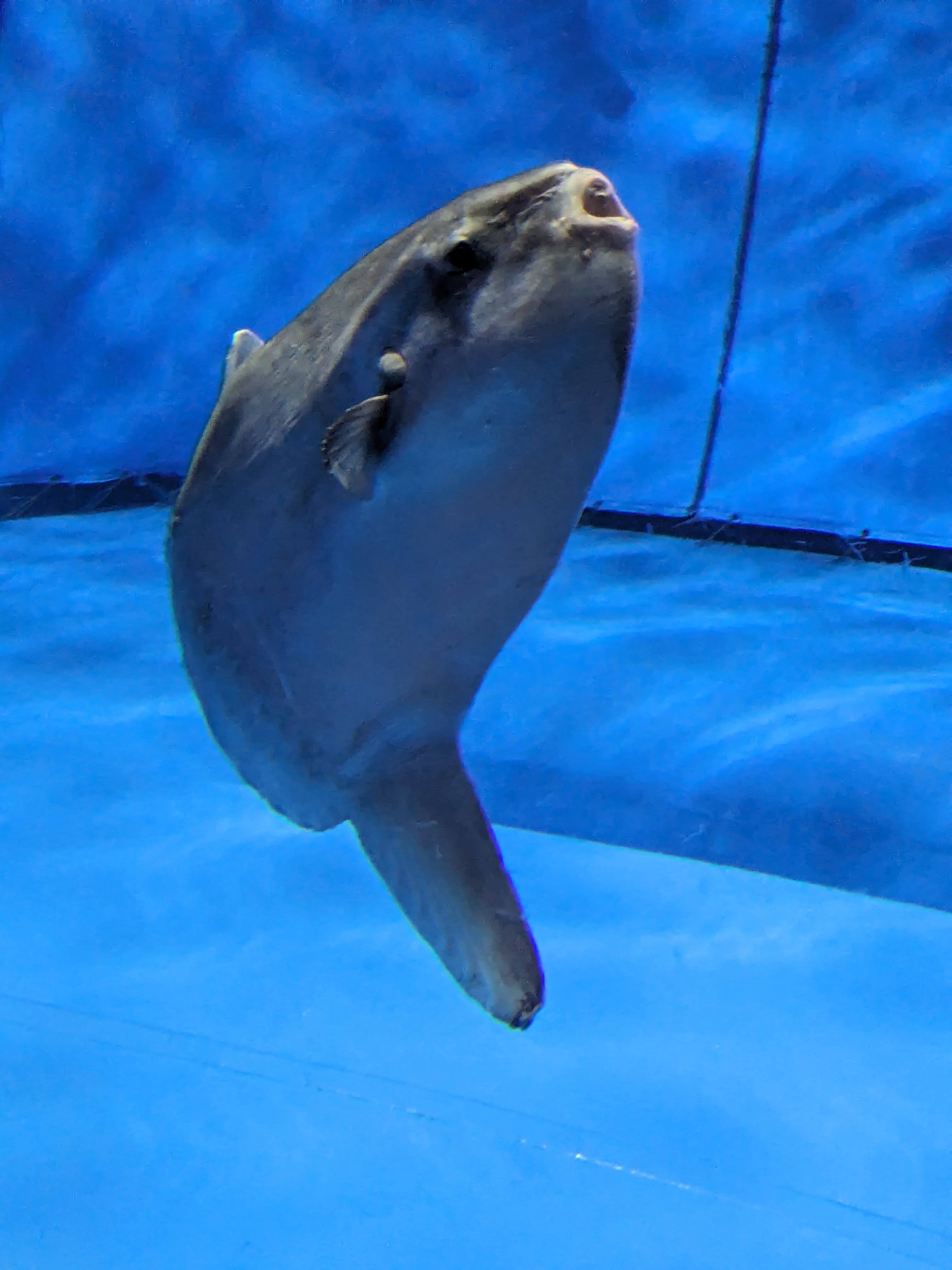 ▲ Ocean sunfish drifting in deep blue water.
Staying to closing time, finishing with spicy miso ramen
We stayed until nearly closing, then took a shot outside with the entrance sign and the Pacific behind it. Admission that day was ¥2,300 for an adult, paid by card. Given that half a day is not enough to see everything, that is honestly cheap.
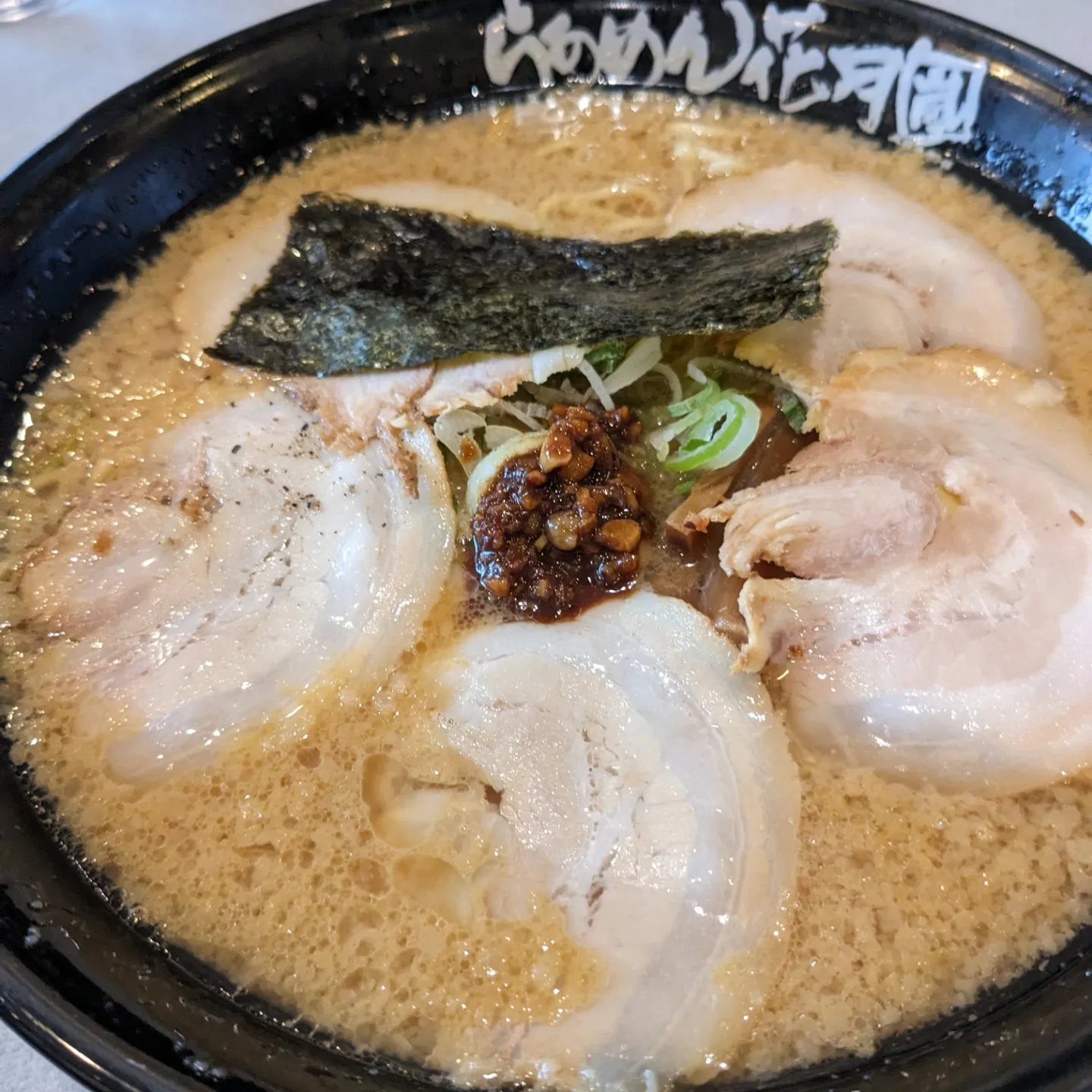
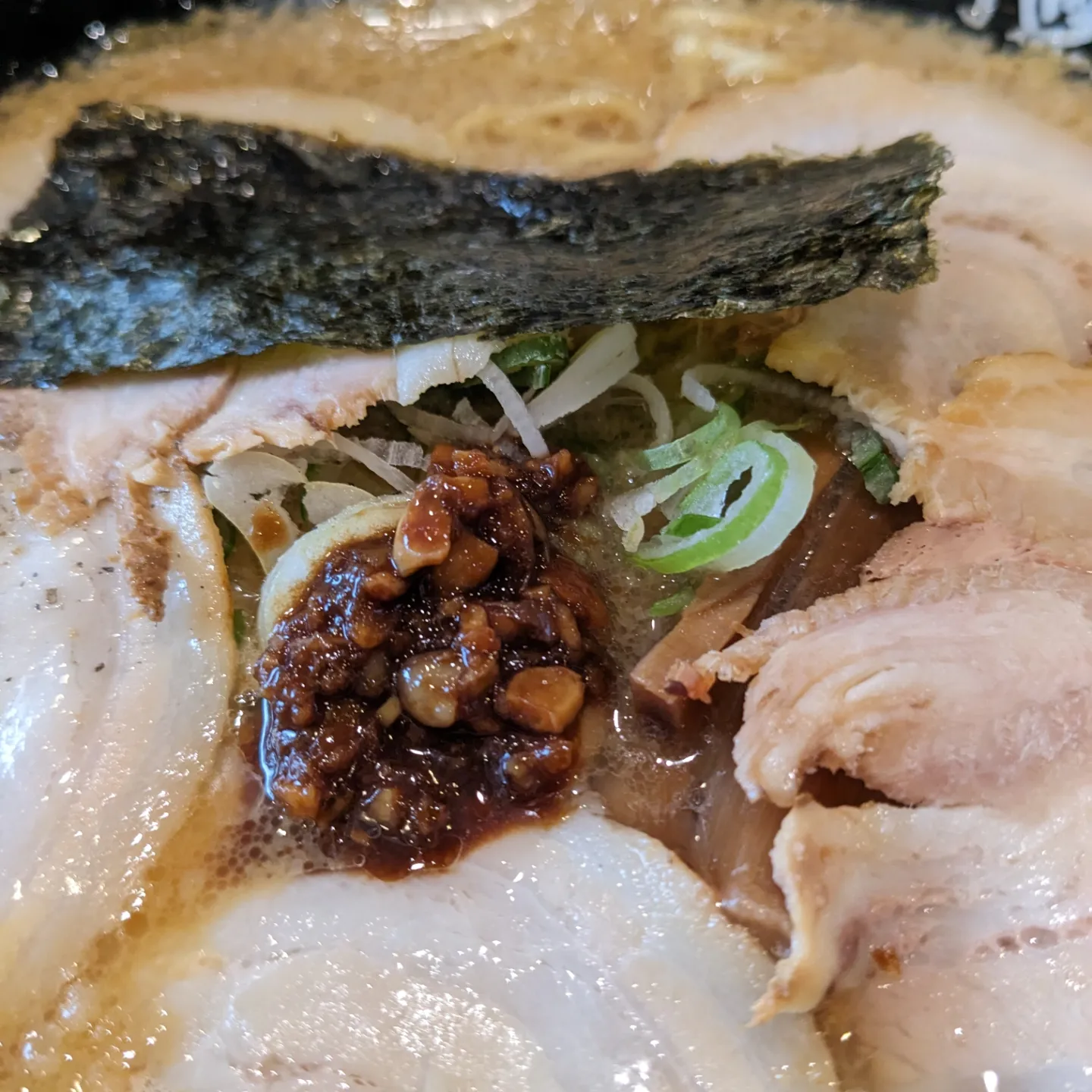
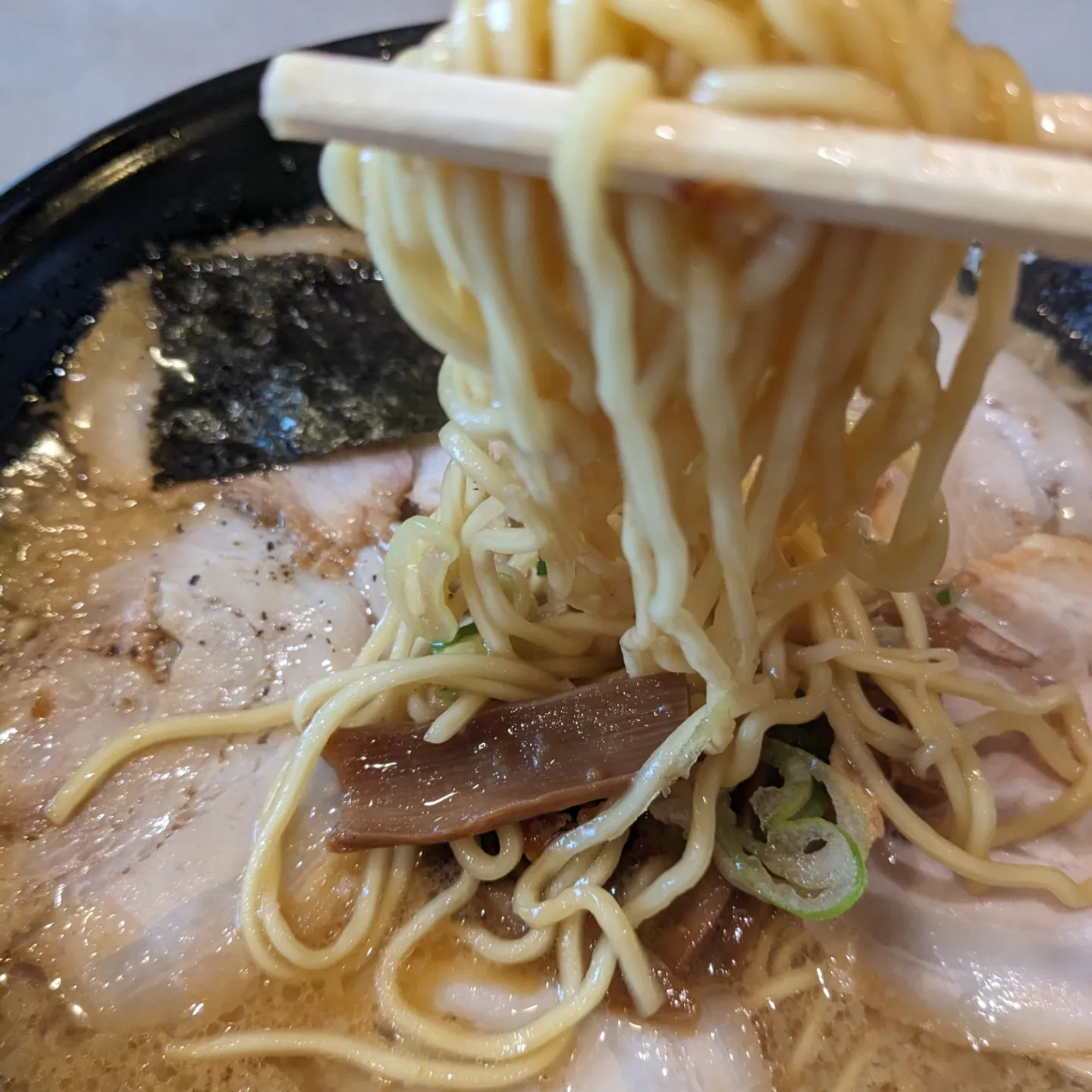
Dinner was spicy miso ramen to warm up: a bowl piled with garlic chives and nori, from a menu listing items like “Takumi Tantan.” The deep red broth was exactly right for a body cooled by sea wind.
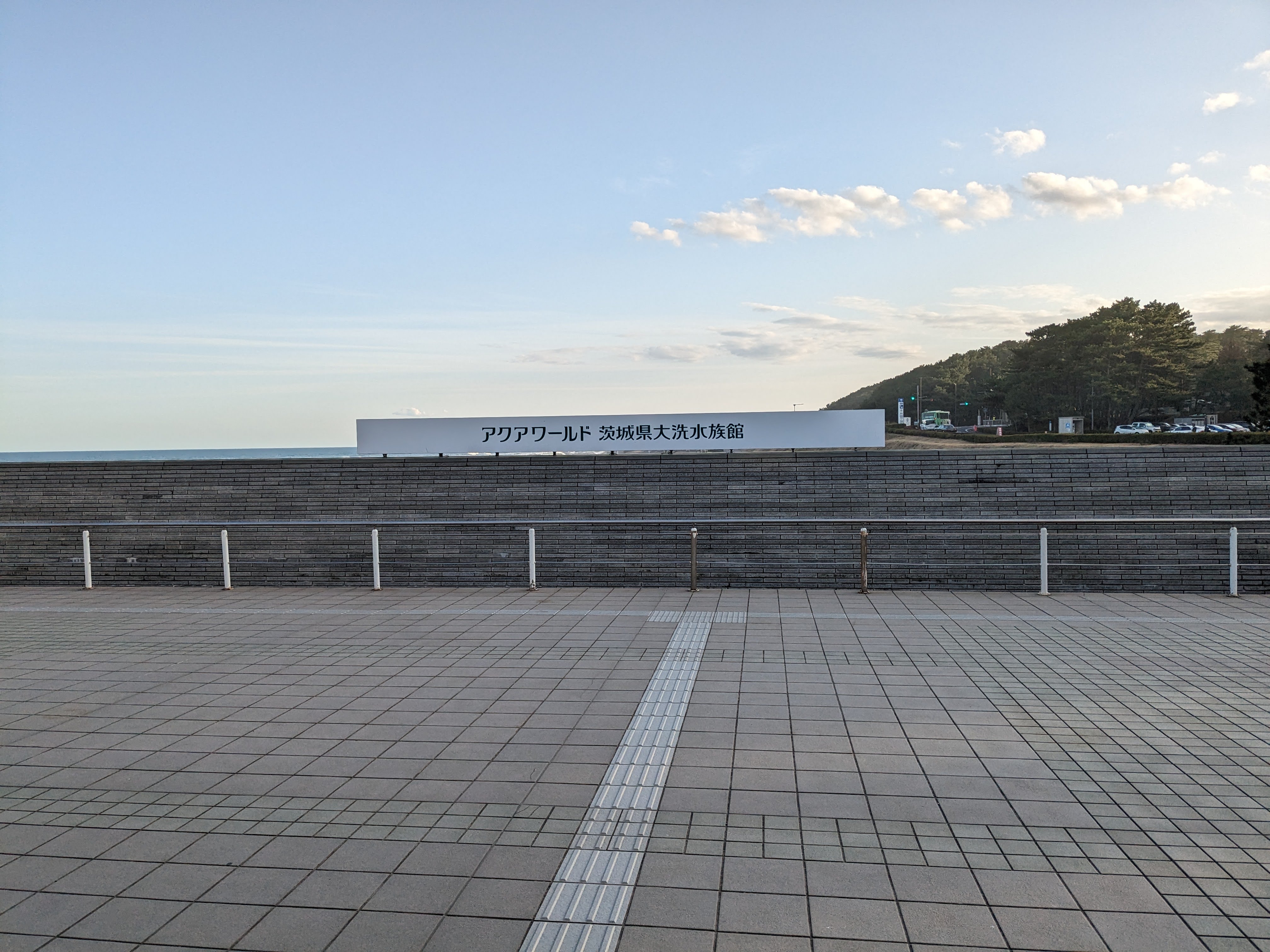 ▲ Entrance sign for Aqua World Ibaraki Oarai; sea and hills behind.
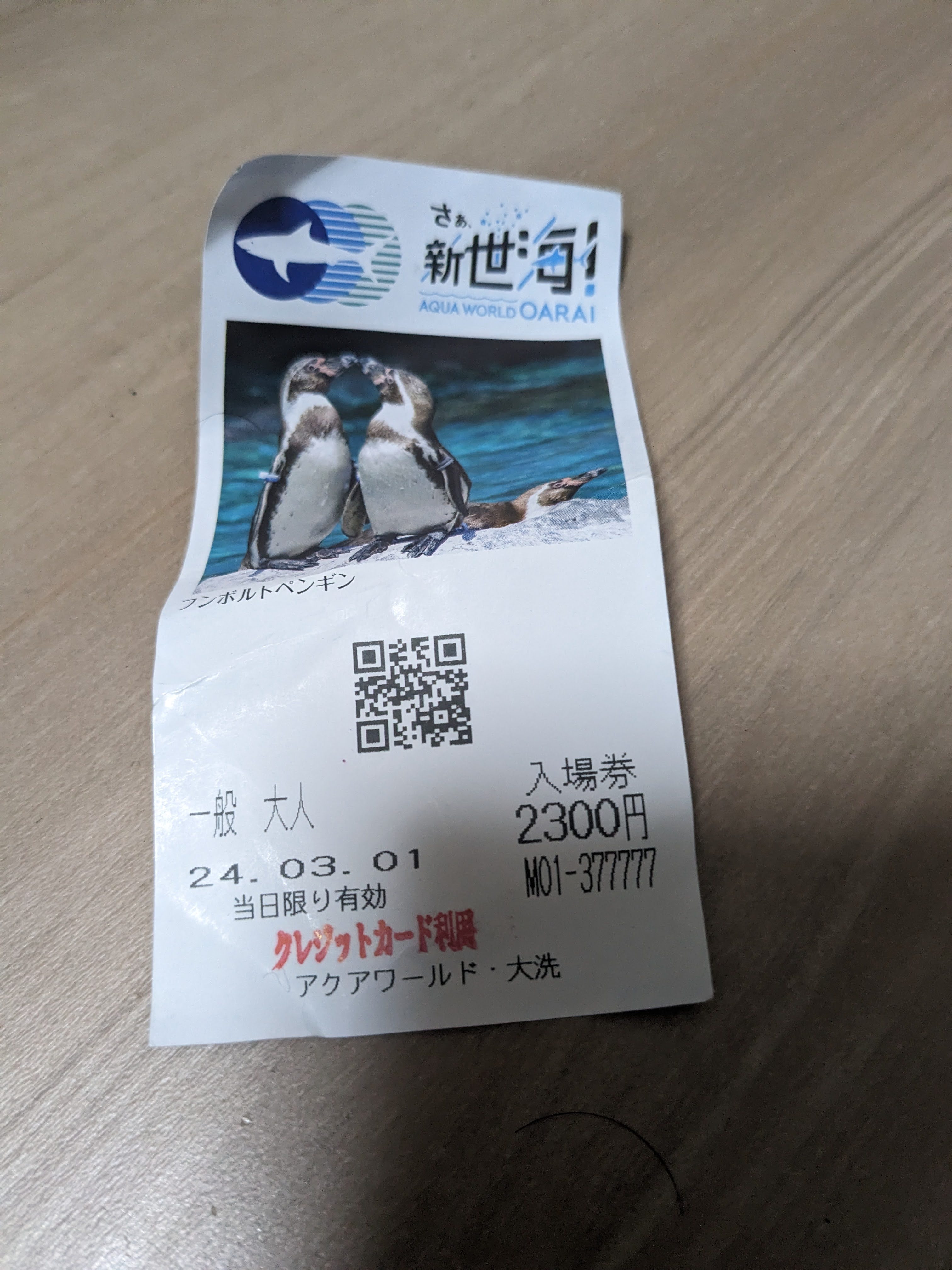 ▲ Ticket stub (Mar 1, 2024, adult ¥2,300, card payment)—photo at home for the record.
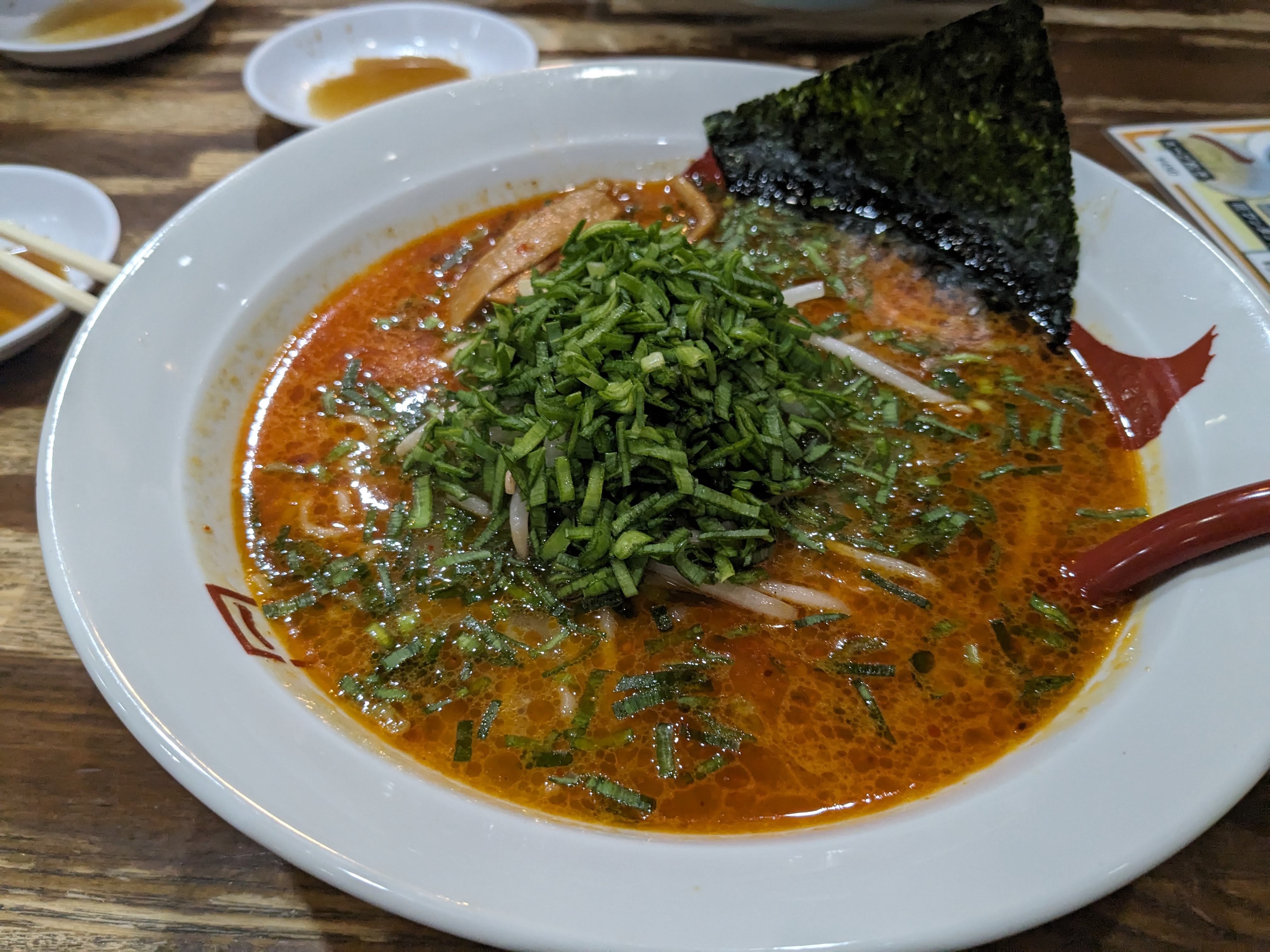 ▲ Dinner: spicy miso ramen piled with chives and nori.
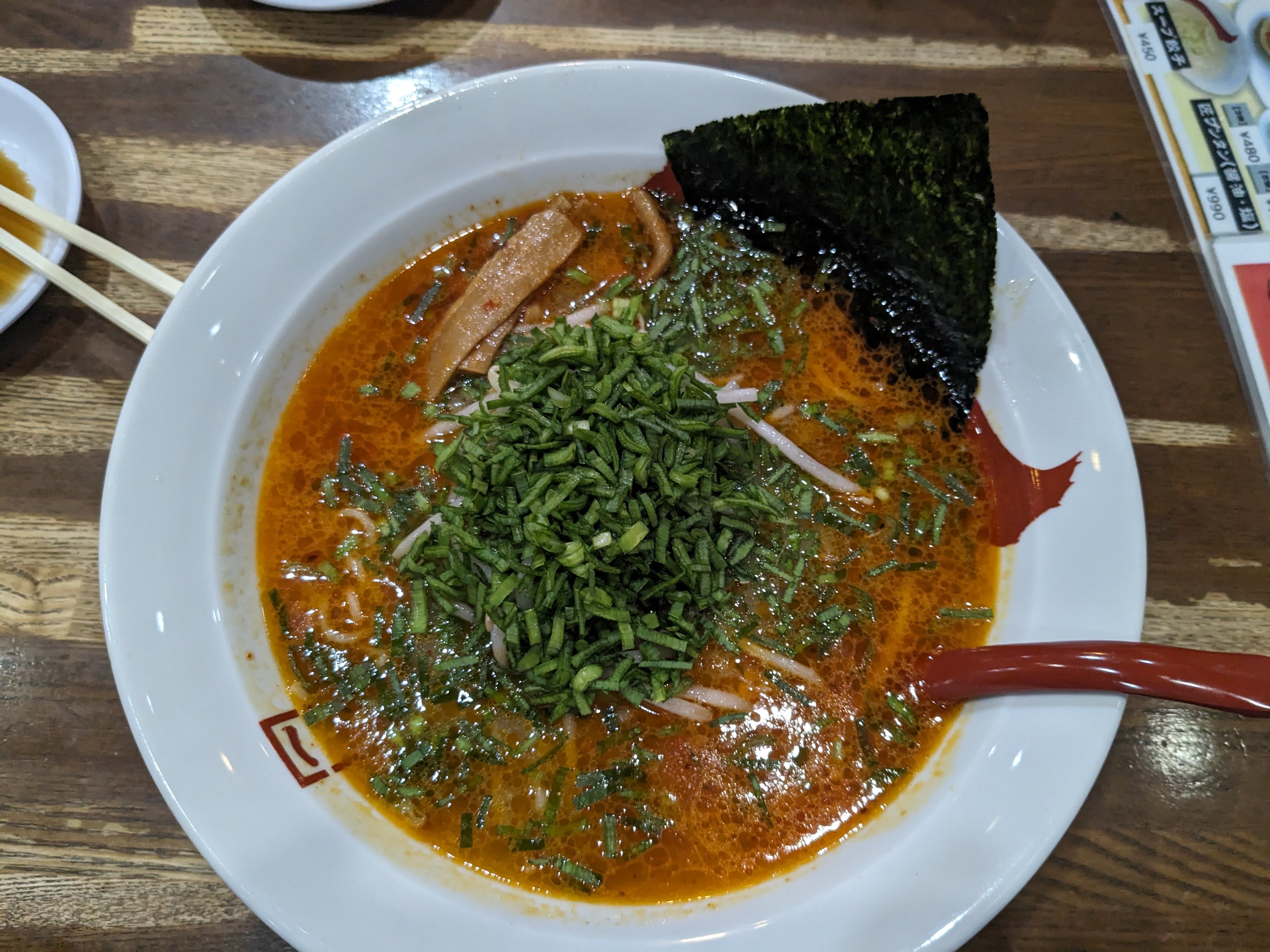 ▲ Menu items like “Takumi tantan”; rich red soup.
Day 2 morning: Hotel breakfast
We stayed near Mito Station. The breakfast buffet had grilled fish and sausages alongside natto labelled as made from Ibaraki-grown soybeans. Natto is available anywhere in Japan, but reading the origin label first does change how it tastes.
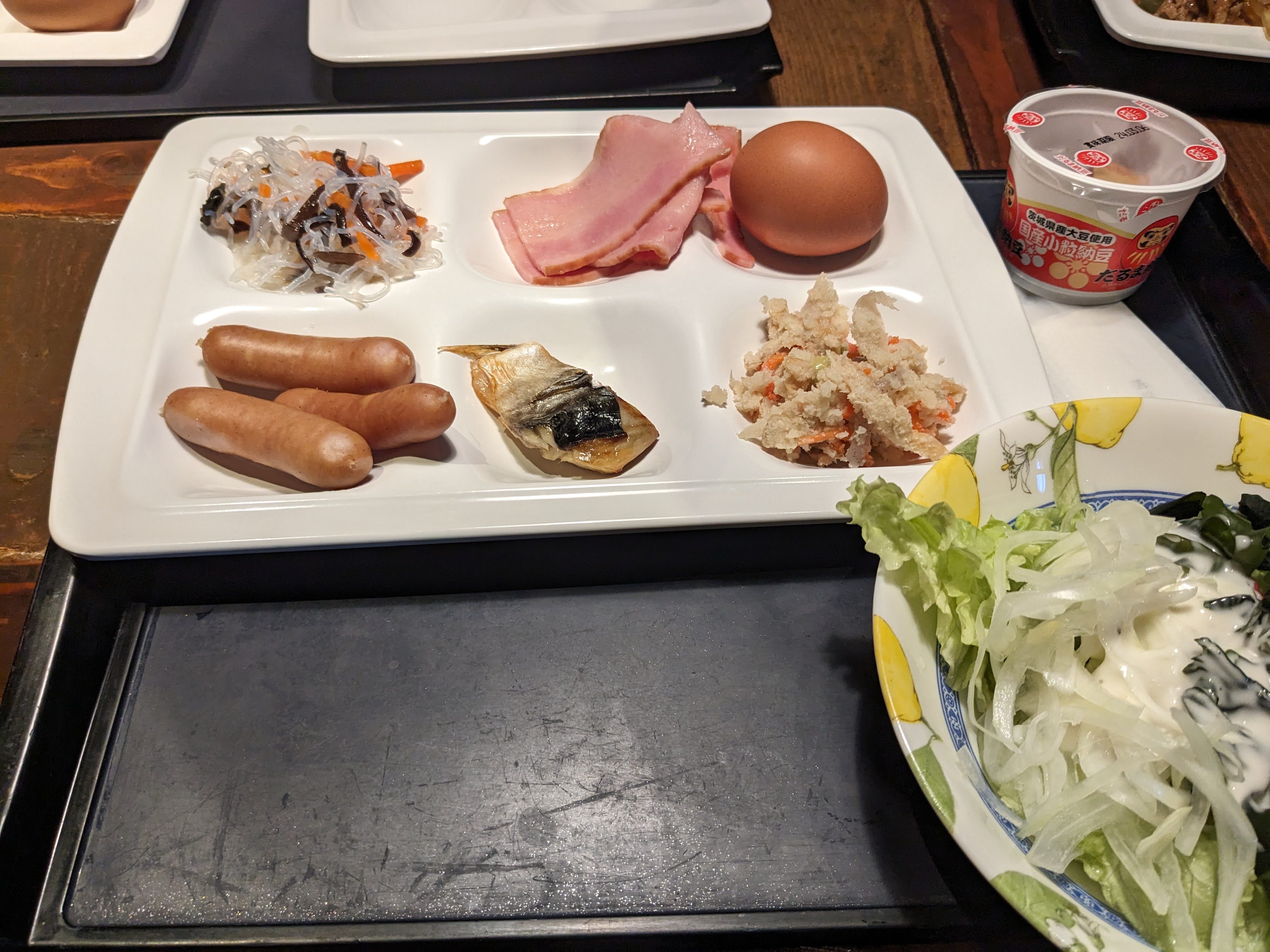 ▲ Hotel breakfast buffet: grilled fish, sausages, natto made with Ibaraki soybeans.
Day 2: Mito Station & Kairakuen plums
Day two moved to Mito: a short history walk around the station, then Kairakuen, one of Japan’s three great gardens. It was peak plum-festival season, and this single day accounts for more than fifty of the photos here.
Mito Station, Mitogaku Road and the natto monument
The plum in a planter on the station deck was just starting to colour—proof that spring had arrived. We read the Mitogaku Road information board, brushed up on Tokugawa Nariaki, the Kodokan and late-Edo intellectual history, and then headed for the south exit.
The natto monument there is a bronze cast of straw-wrapped natto. There is something telling about a prefecture willing to put its speciality on a plinth this proudly. From the pedestrian deck you can see OPA and Bic Camera, the cluster of station-front hotels and the bus terminal—busy in the way a regional hub city is.
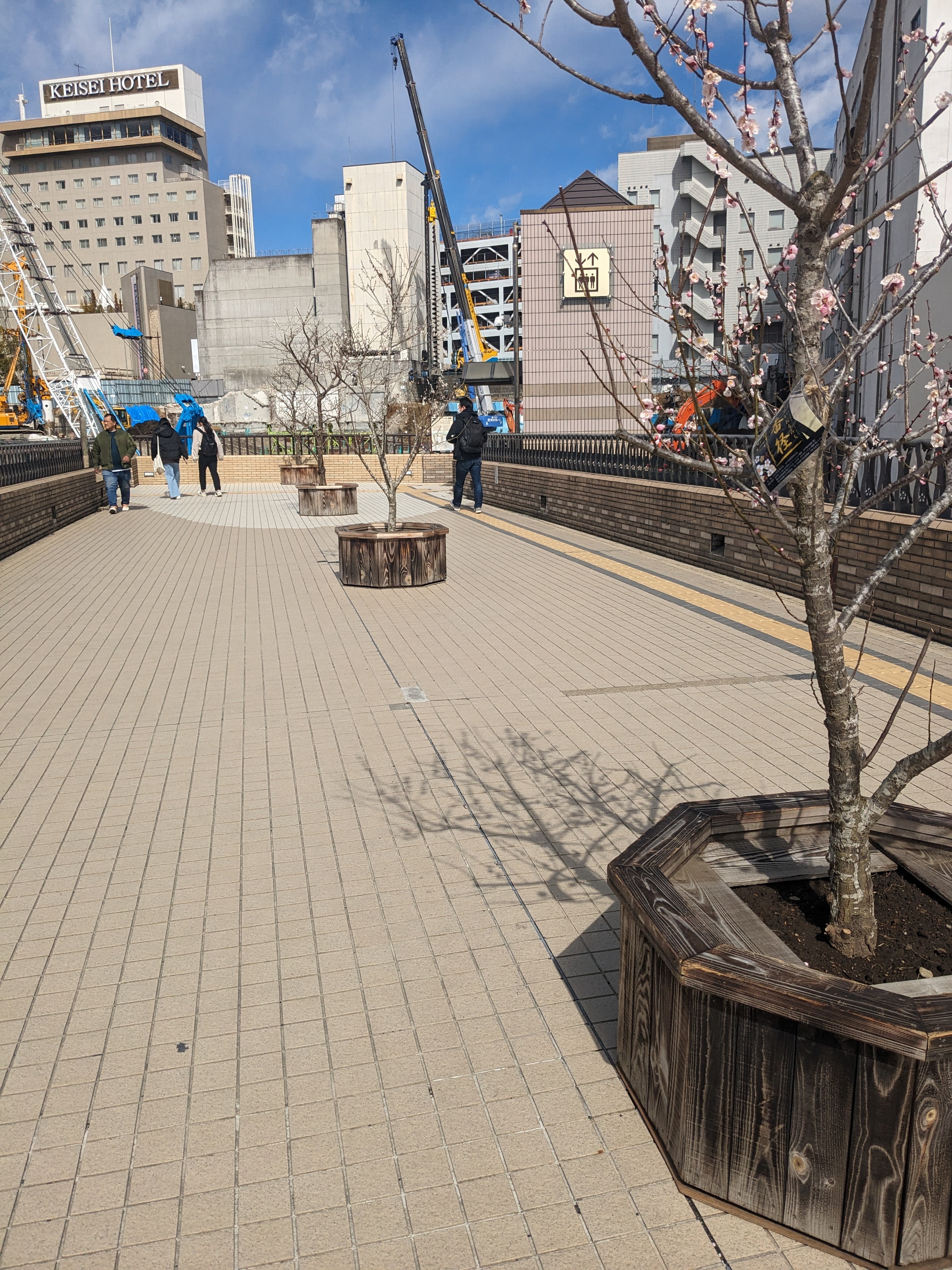 ▲ Pedestrian deck at Mito Station; potted plum trees beginning to bloom.
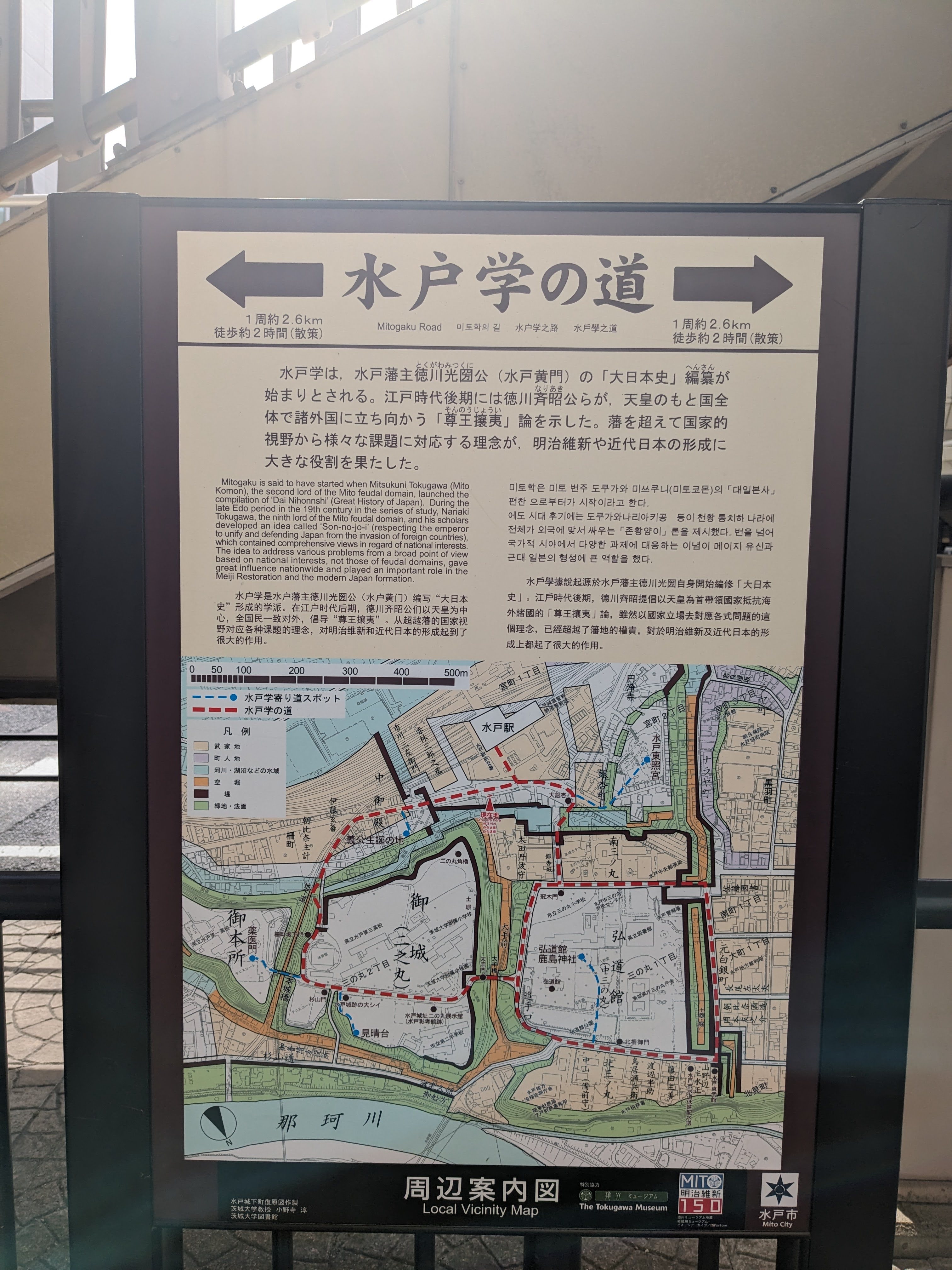 ▲ Mitogaku Road sign: Tokugawa Nariaki, Kodokan, and walking routes on the map.
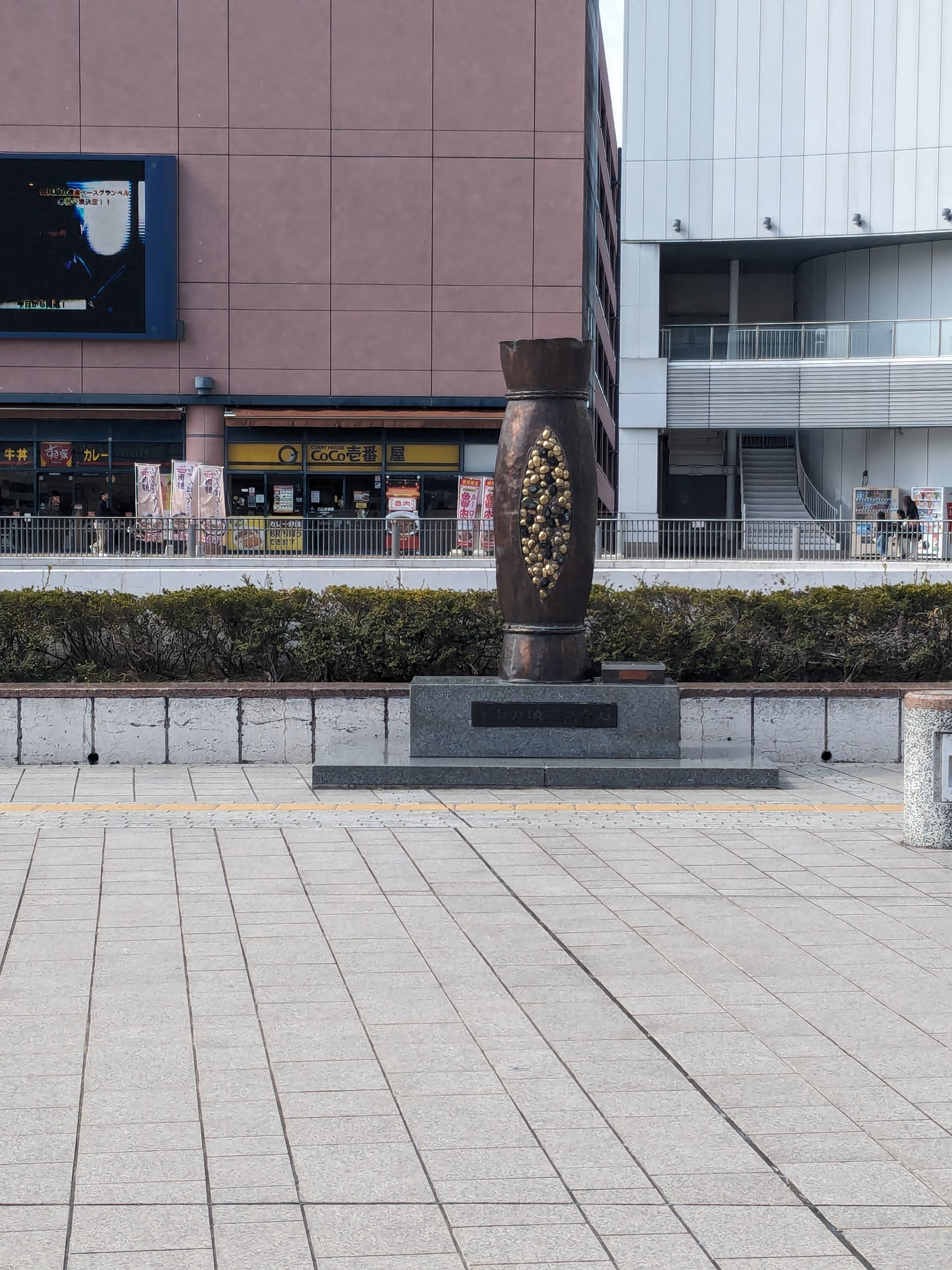 ▲ Mito Natto Monument at the south exit—bronze straw-bundle natto as a landmark.
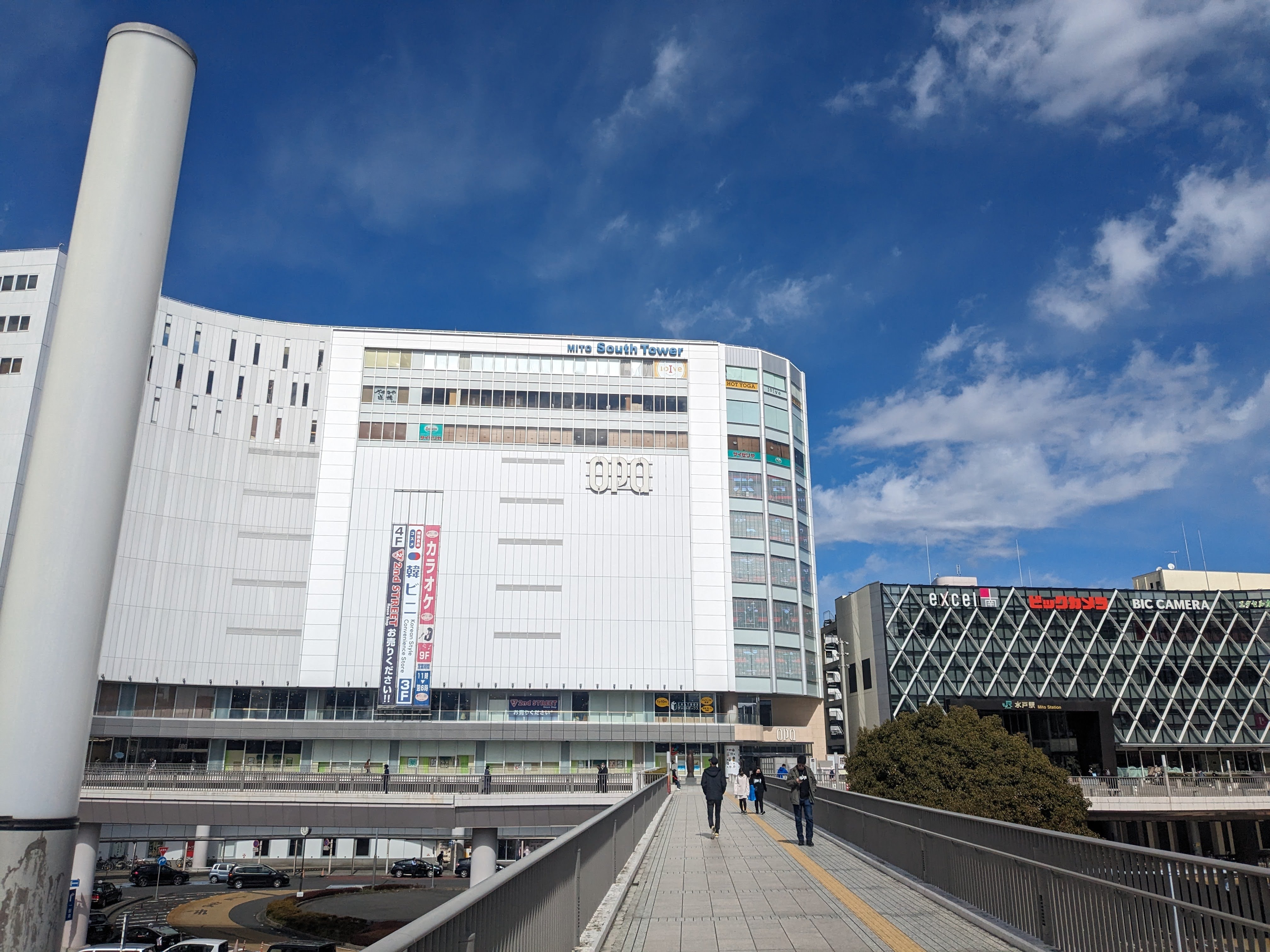 ▲ From the deck: Mito Station building toward OPA and Bic Camera.
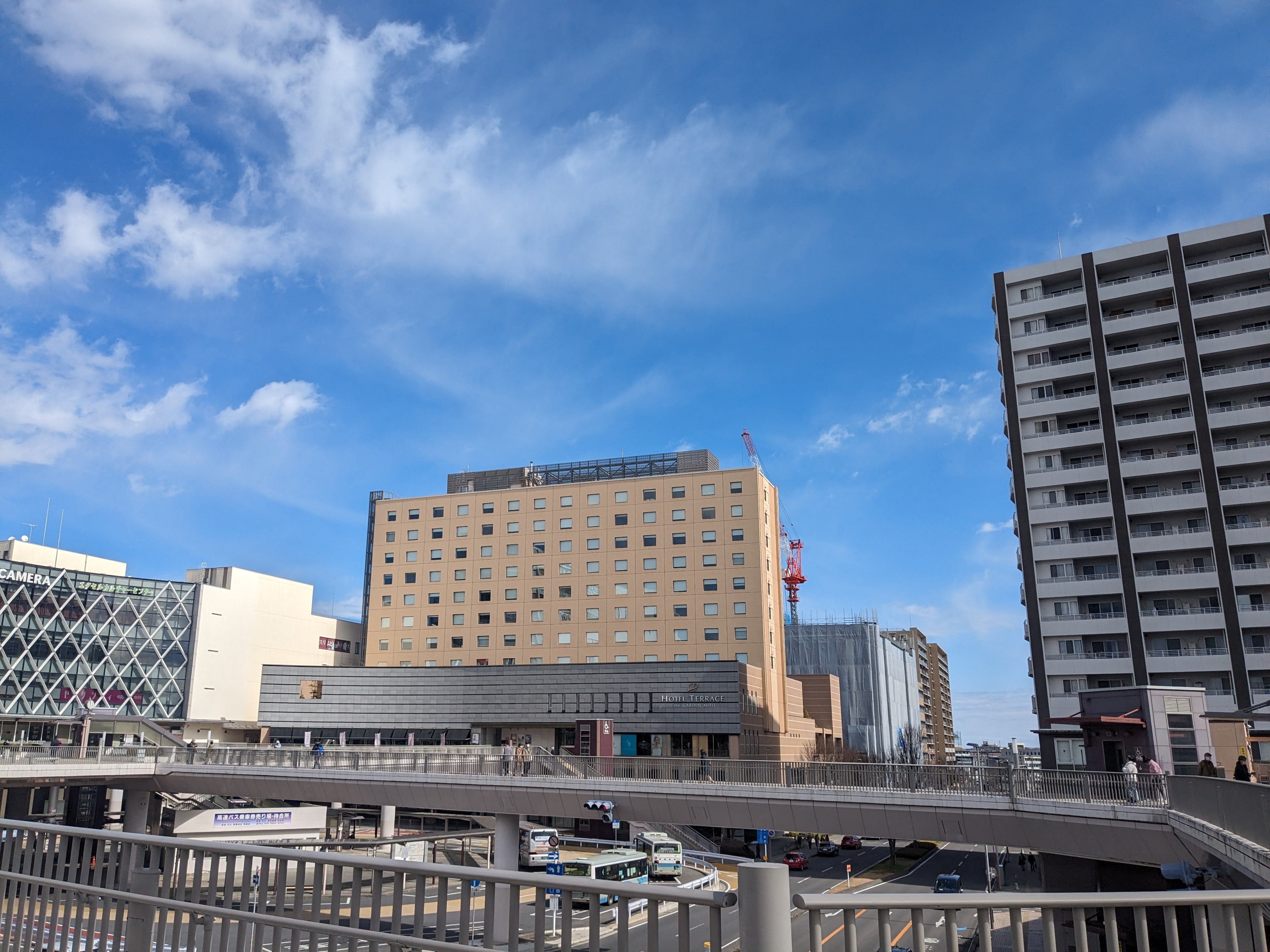 ▲ Station-front hotels including Hotel Terrace the Garden Mito and the bus terminal.
Walking to Kairakuen, through the back of the city
We walked to Kairakuen. From higher ground, a freight yard stacked with containers and a residential district fall into the same frame; along the tracks there is dry grass and early-spring sky. As sightseeing photos these are plain, but this kind of “back of the city” shot is what brings the memory of a trip back later.
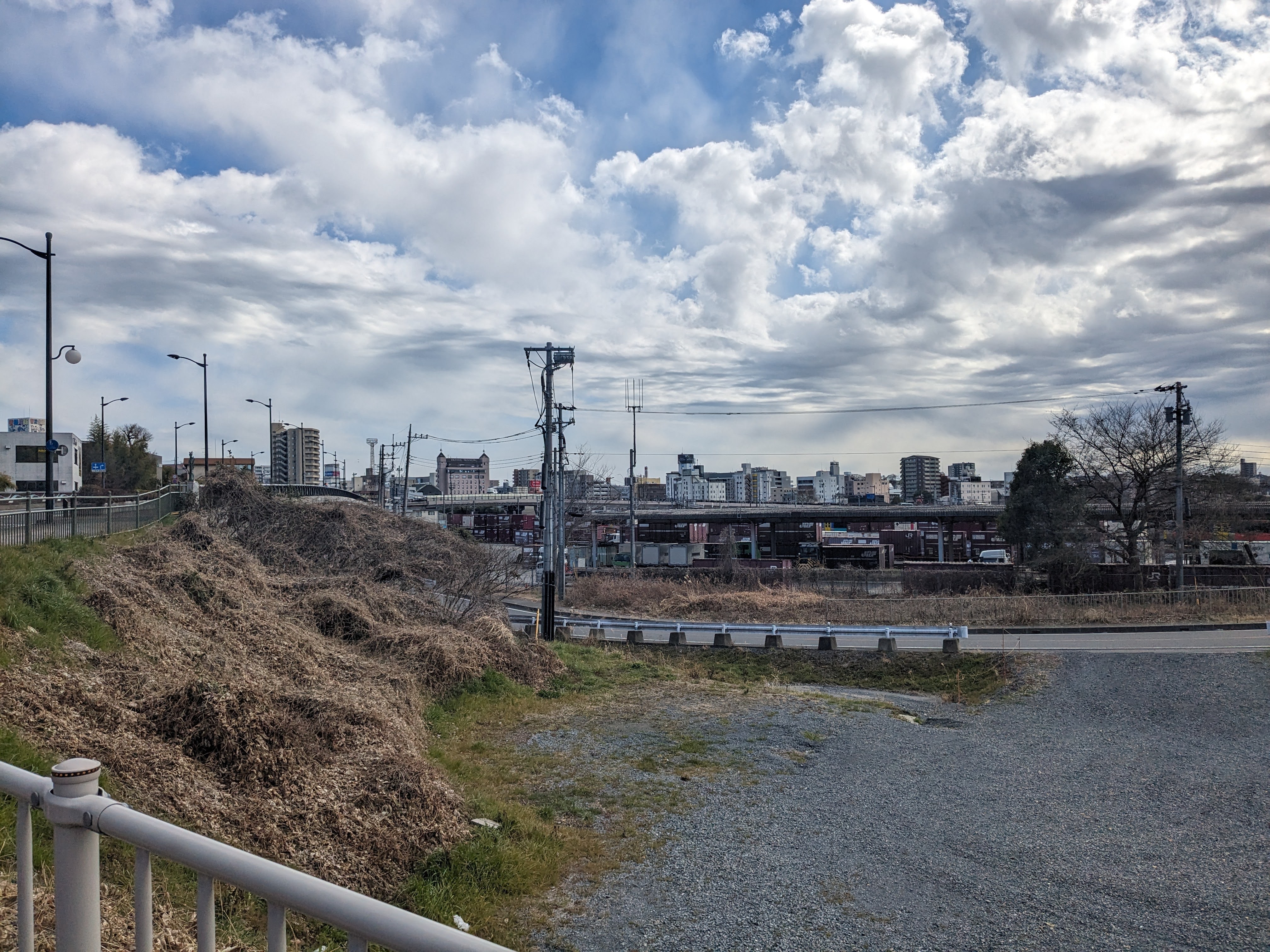 ▲ Elevated view: freight yard with containers and residential blocks in one frame.
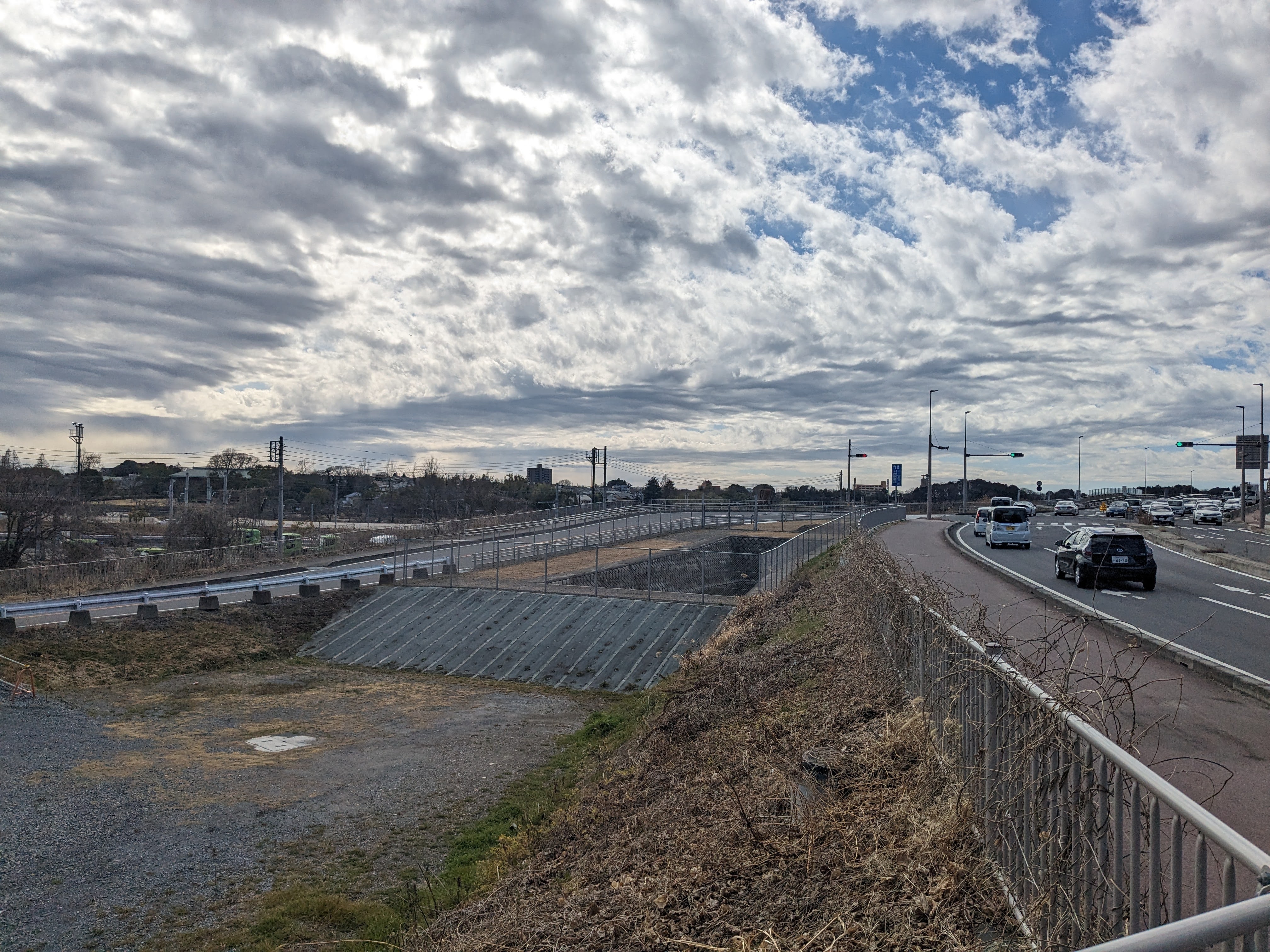 ▲ Early-spring sky and dry grass along the tracks—city backstreets.
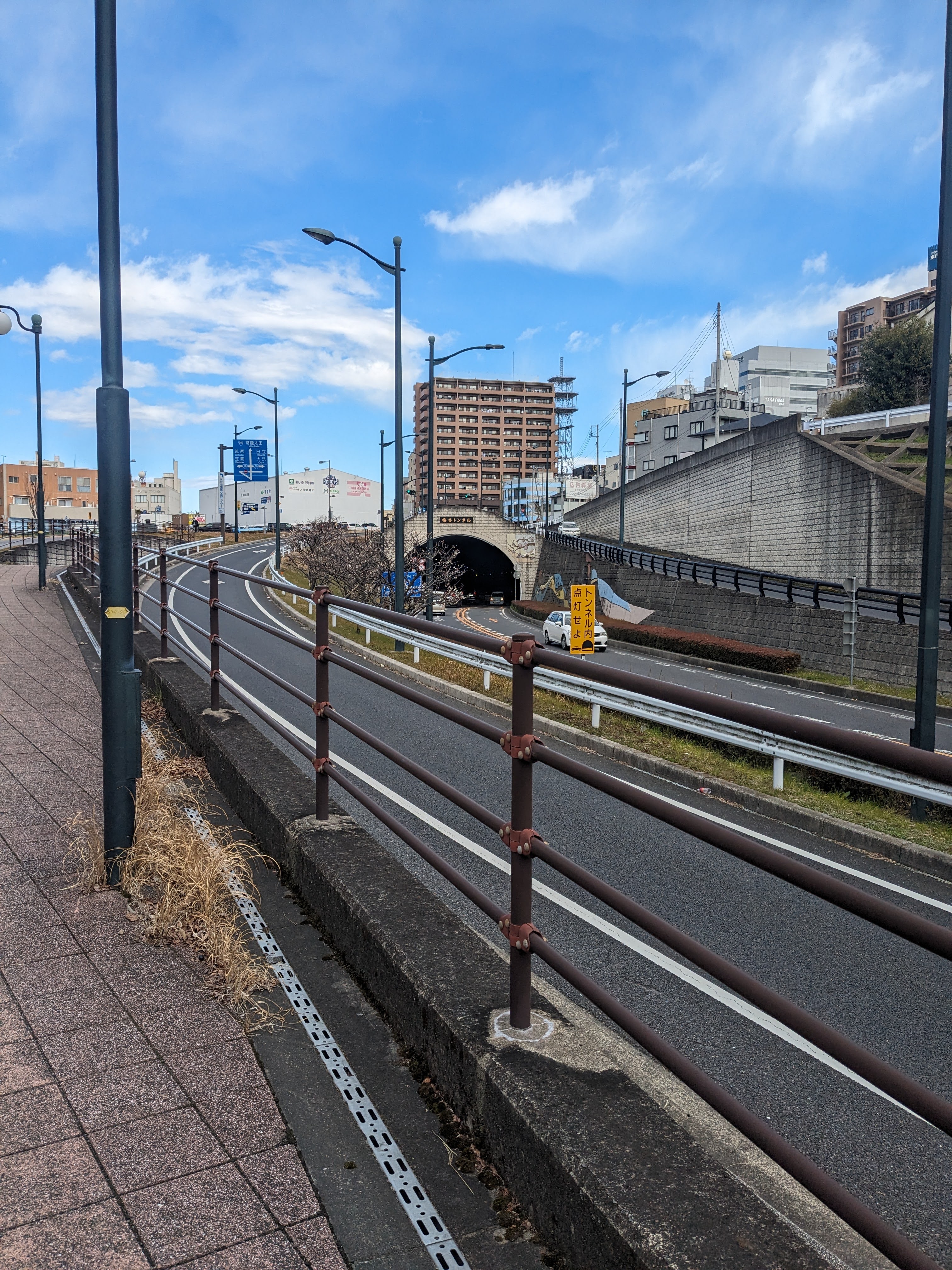 ▲ Cityscape from a pedestrian bridge on the way to sightseeing.
Through the Kobuntei front gate, the air changes
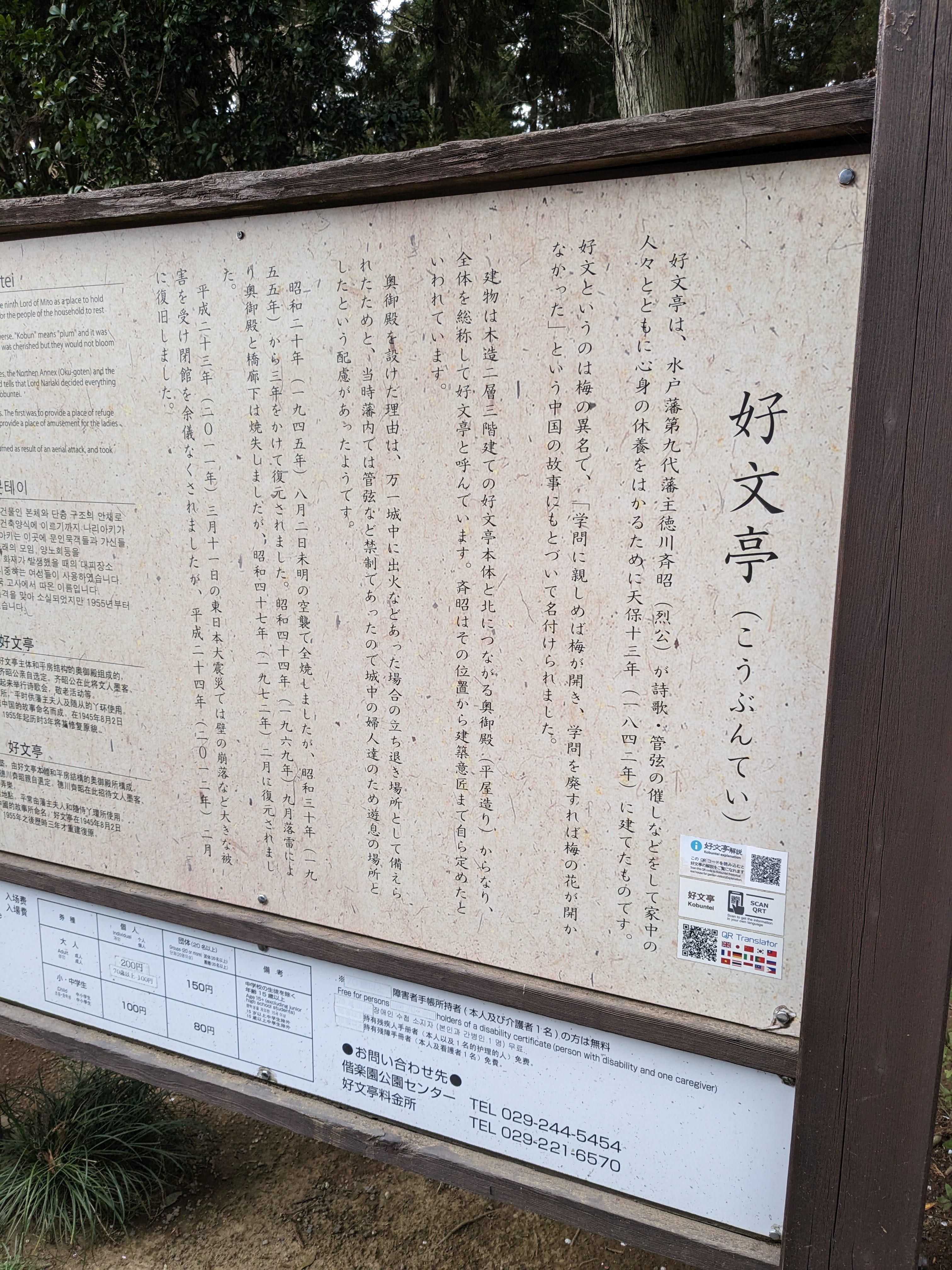
The Kobuntei front gate is a heavy, thatched-roof structure, signed as such. The moment you pass under it, the switch from station-front city air to garden air is unmistakable.
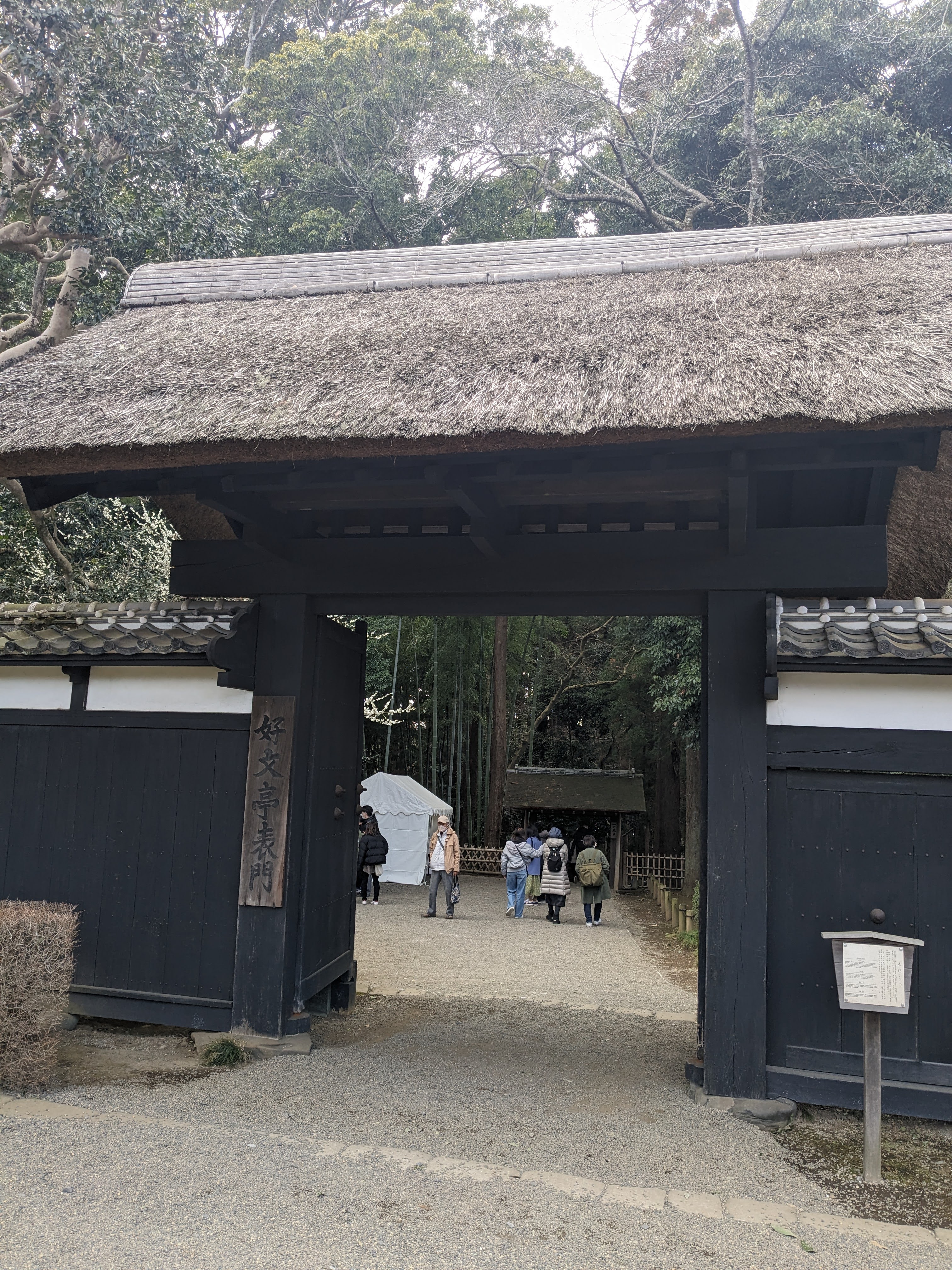 ▲ Kairakuen: Kobuntei Omotemon gate with a thatched roof.
The plum grove: white and red opening at once
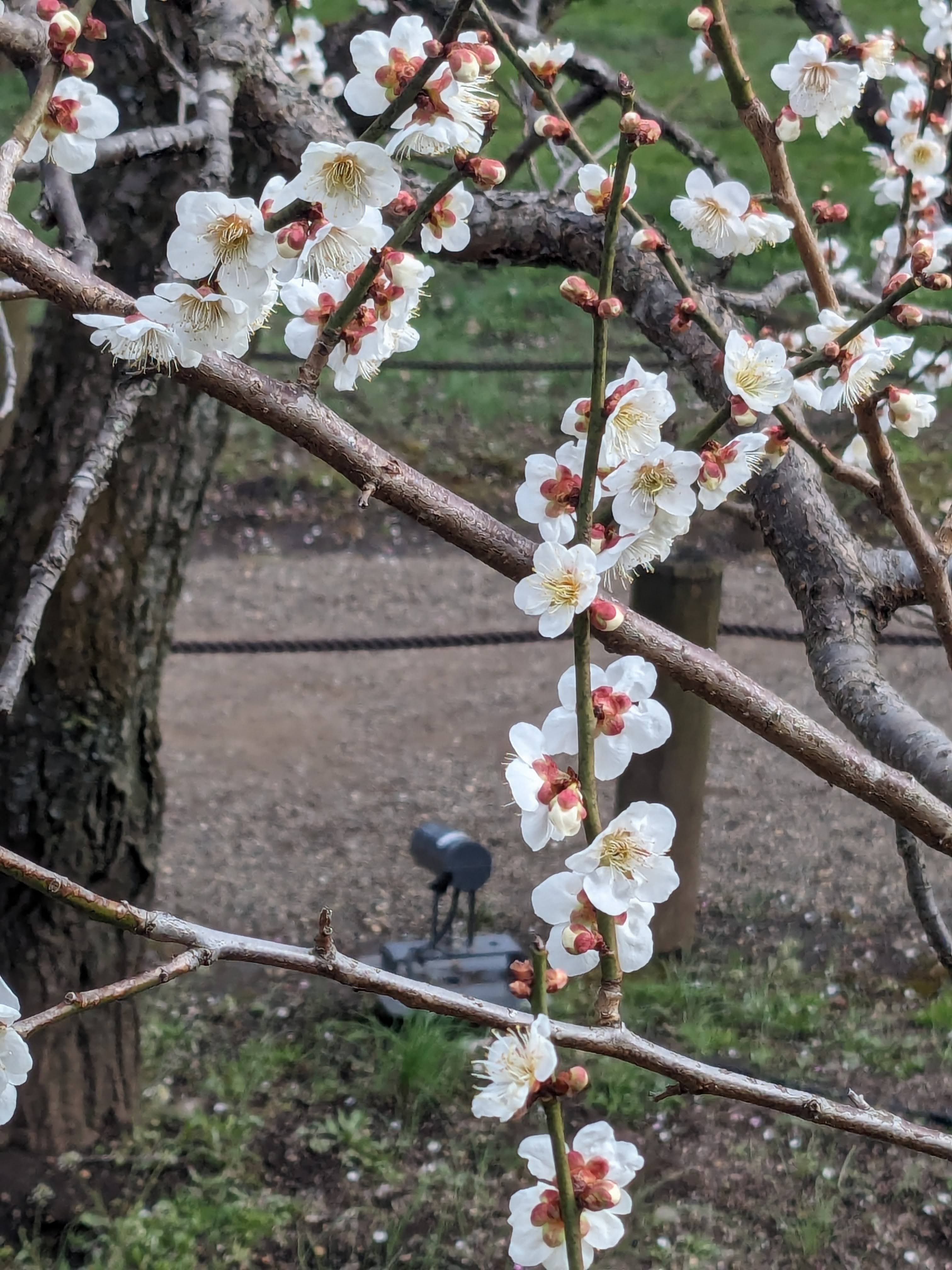
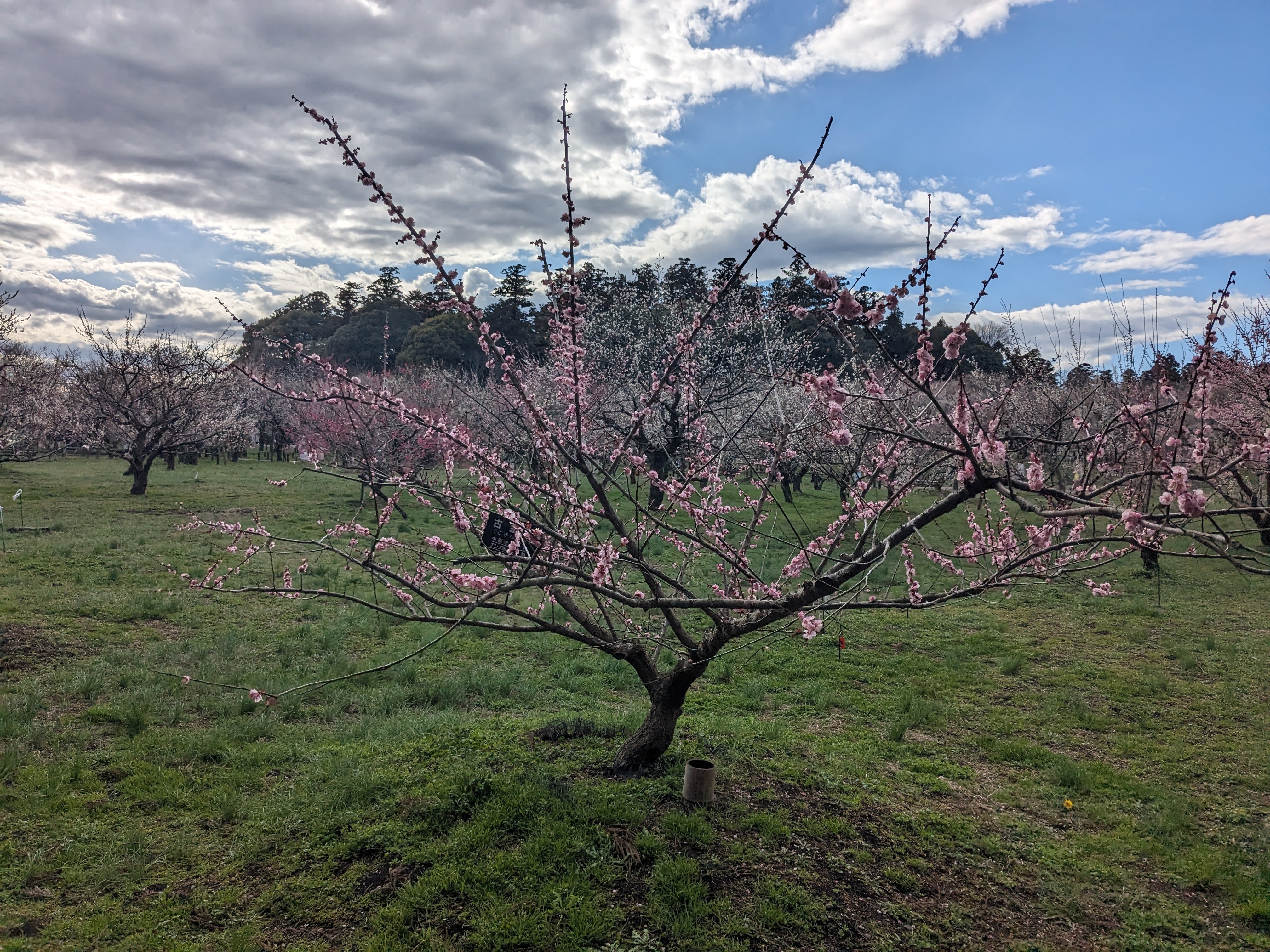
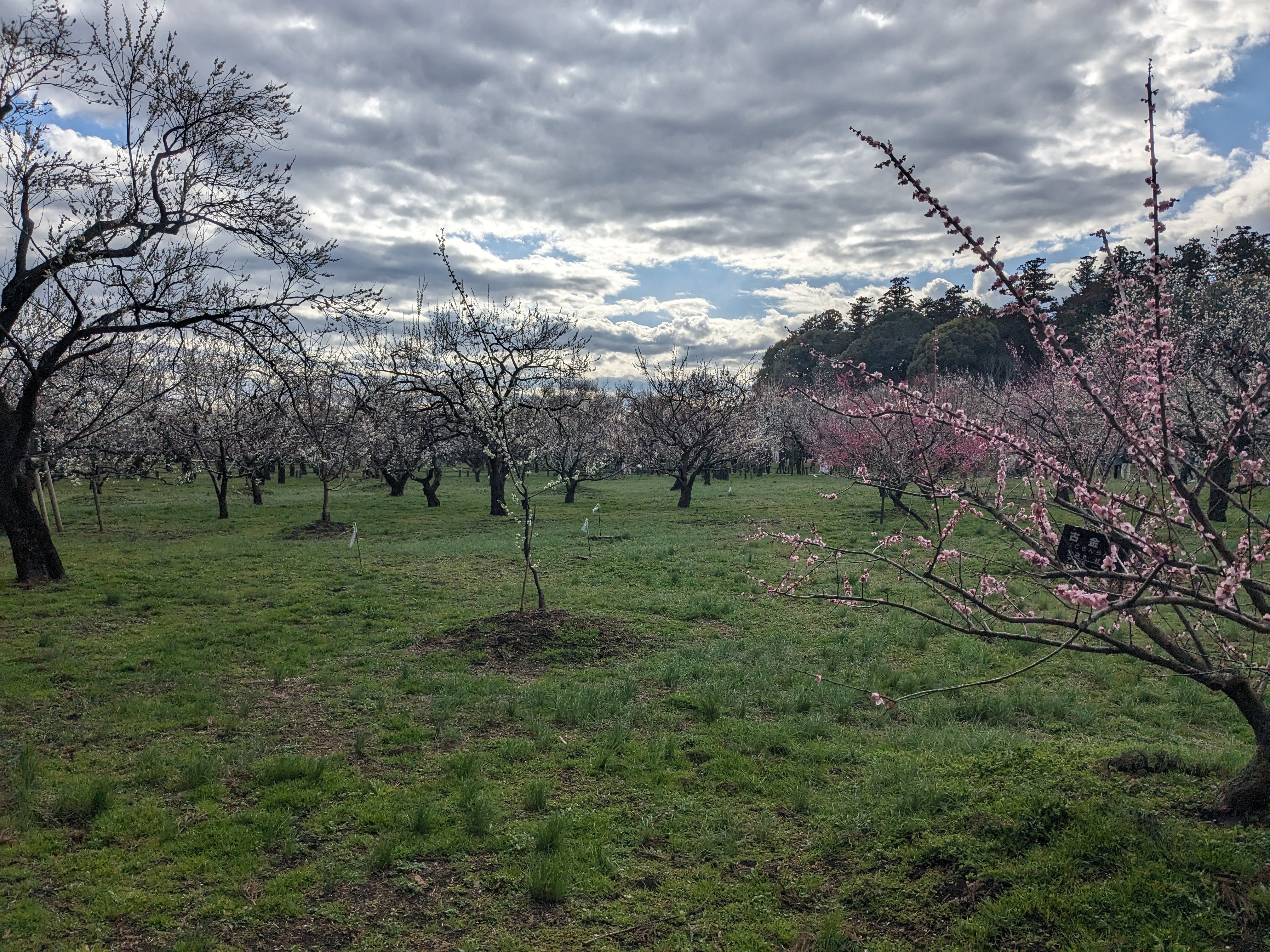
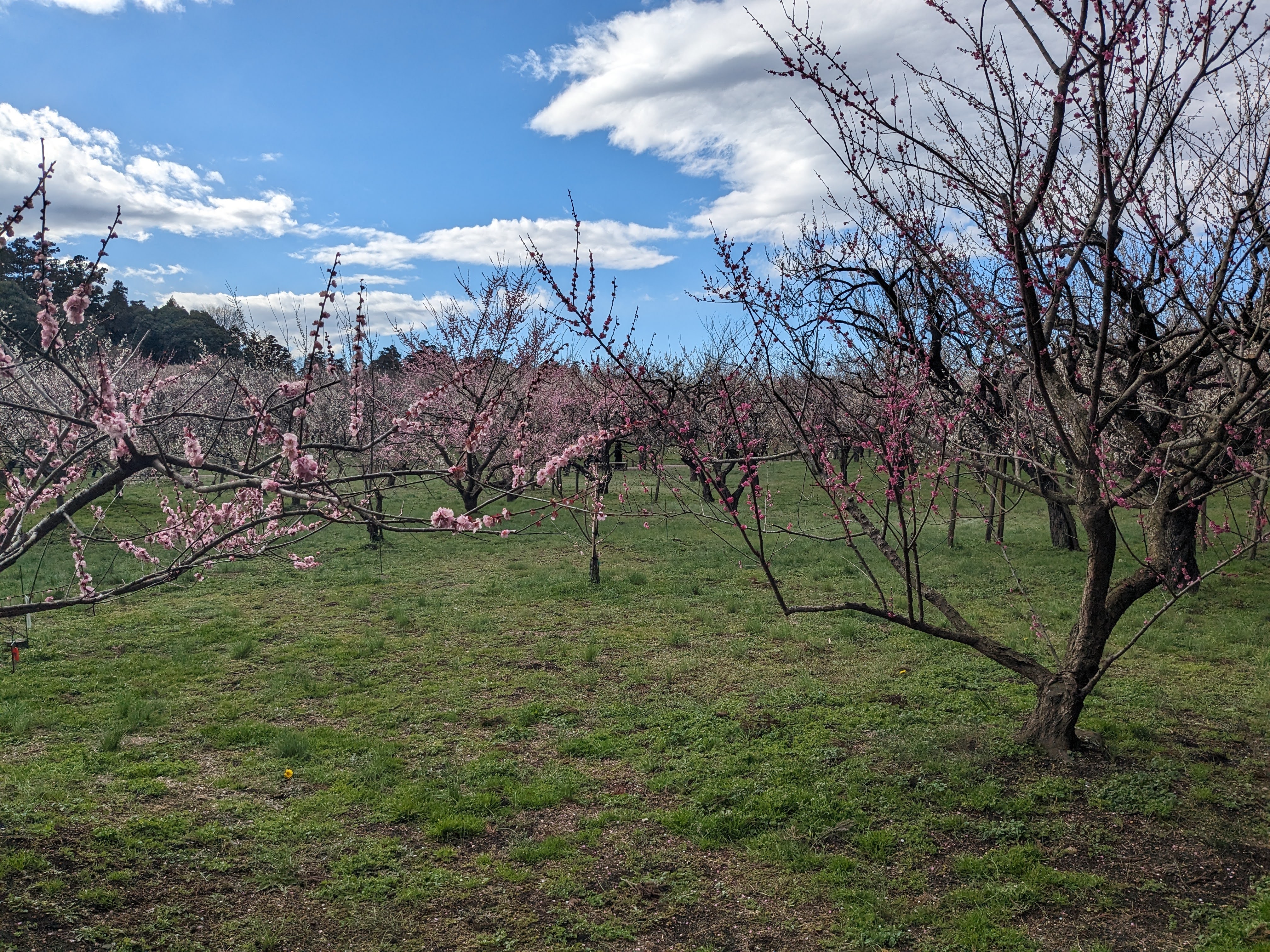
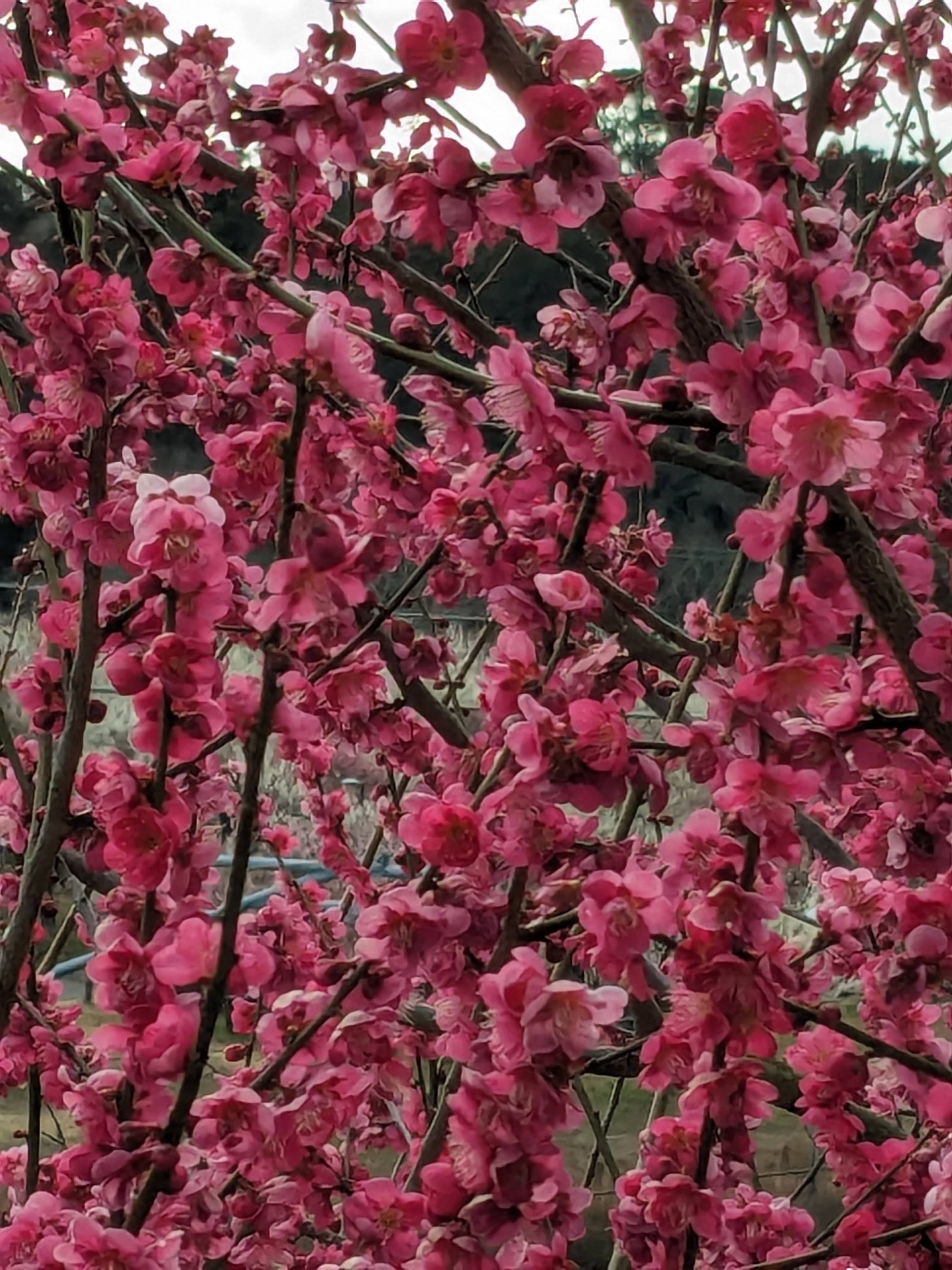
Scent drifts through the still-chilly air on the plum grove paths. White plums spread across the slope, red plums set against green lawn, and small paths that tunnel under blossom. Buds and open flowers were mixed at this point in the season, so the look changes with the angle you take.
Past the bamboo and stone paving near Kobuntei, a slightly elevated view from mid-slope shows the scale. Even under cloud the white blossom stands out, and up close on a red plum you can pick out five petals and the thin stamens. Crowds build during the festival, so it helps to note where the signs and rest areas are and keep moving.
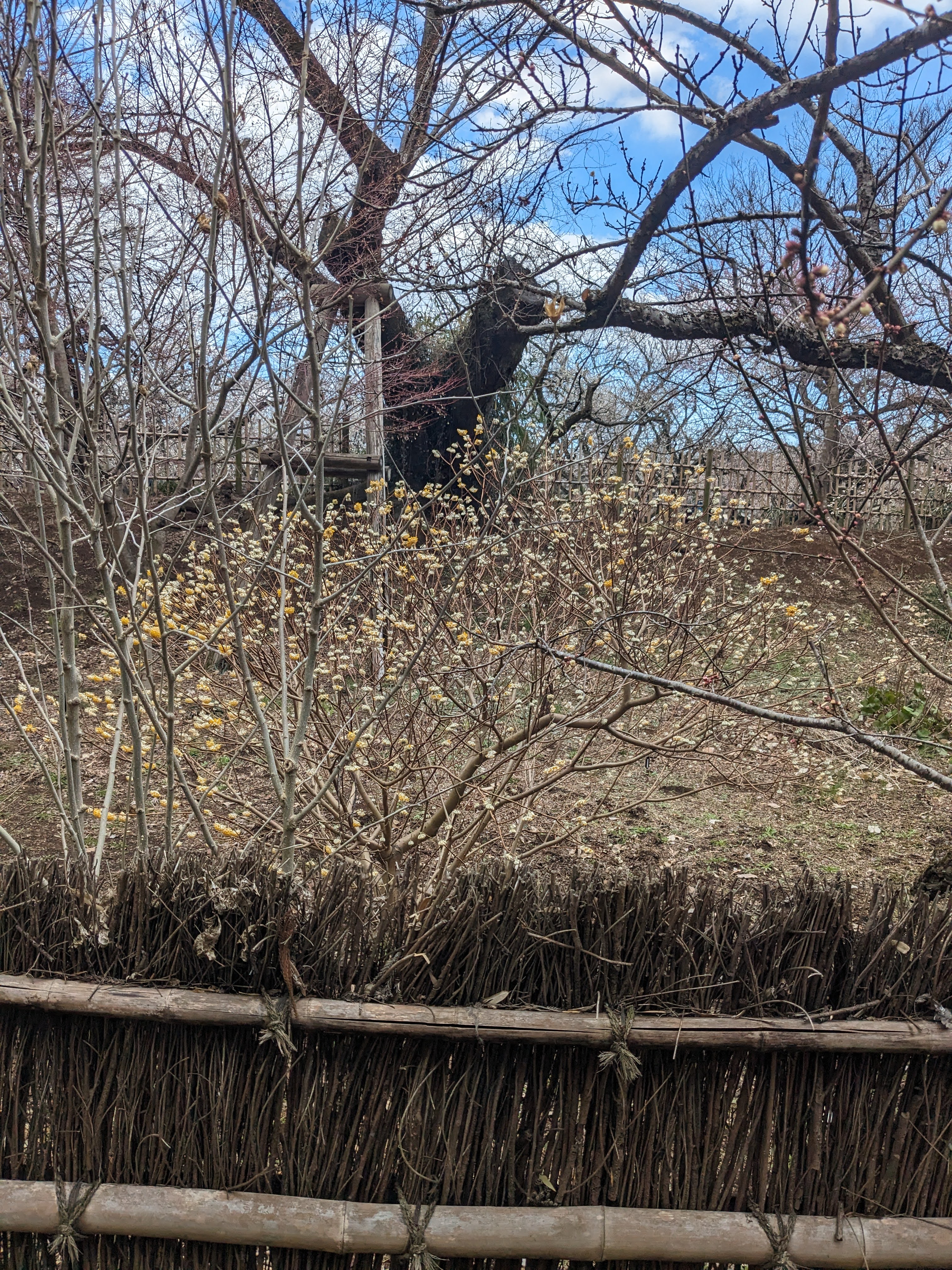 ▲ Plum grove path at Kairakuen; floral scent in the cool air.
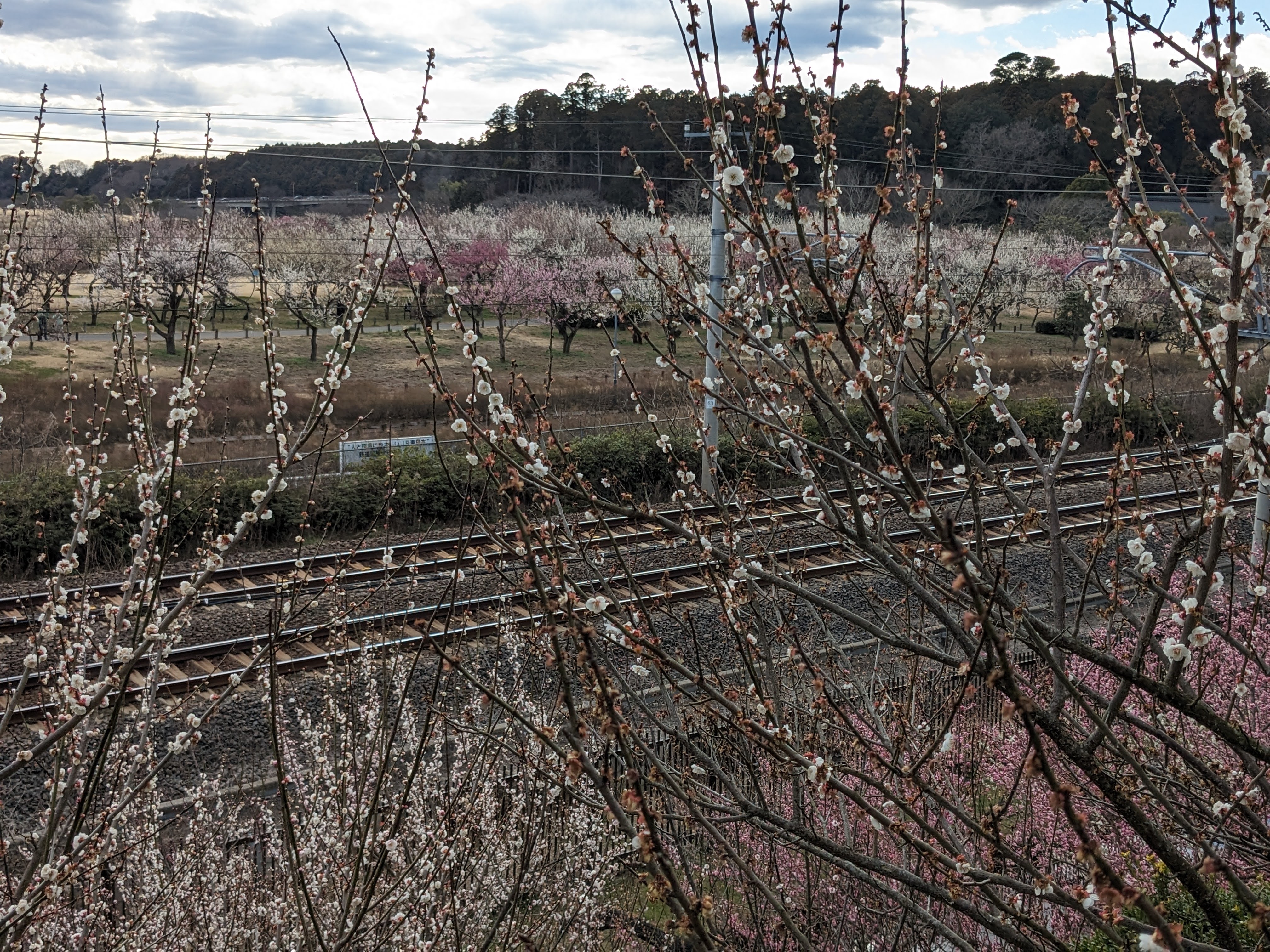
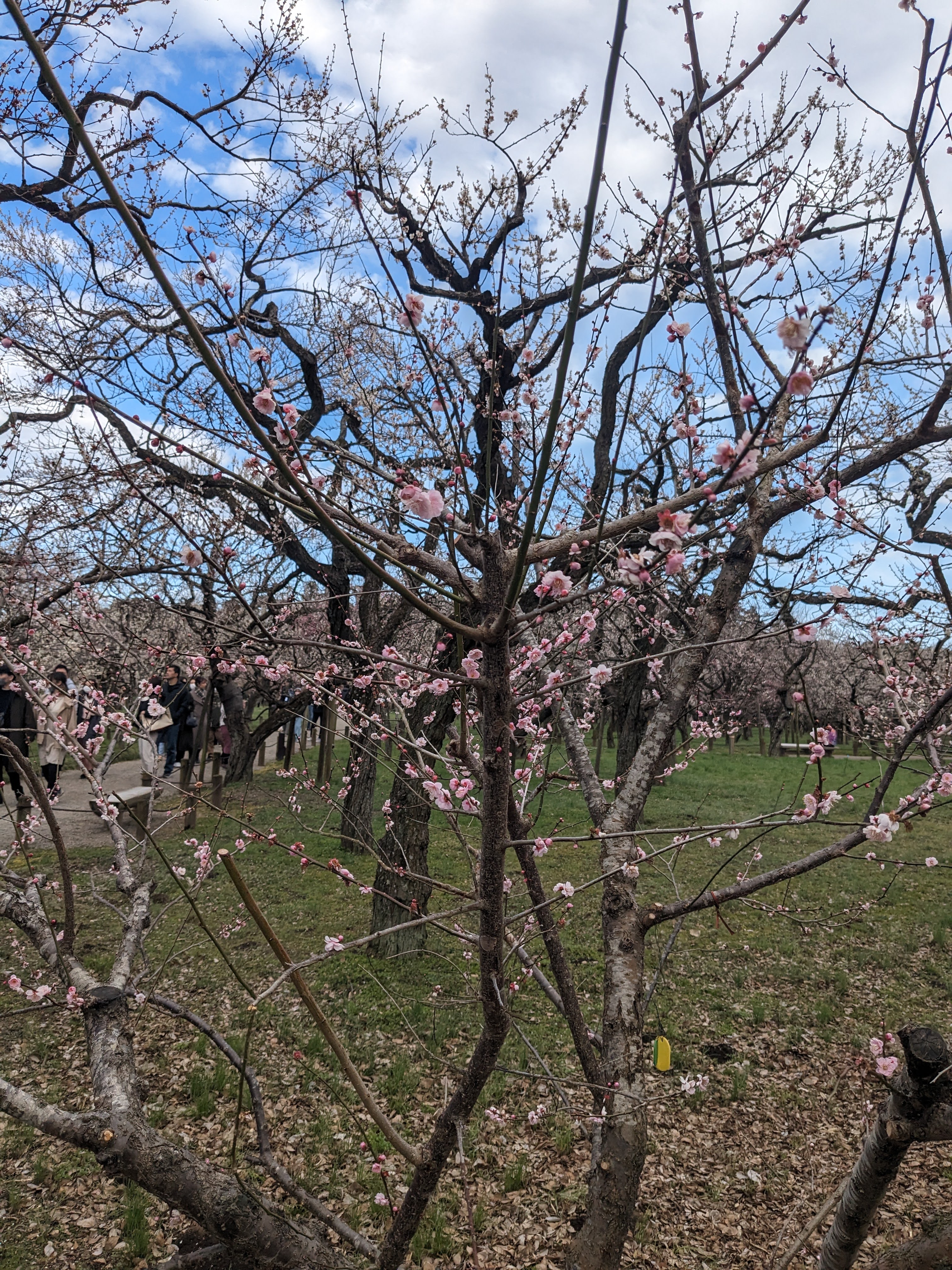 ▲ White plum on a slope with Joban Line tracks in the background—a classic view.
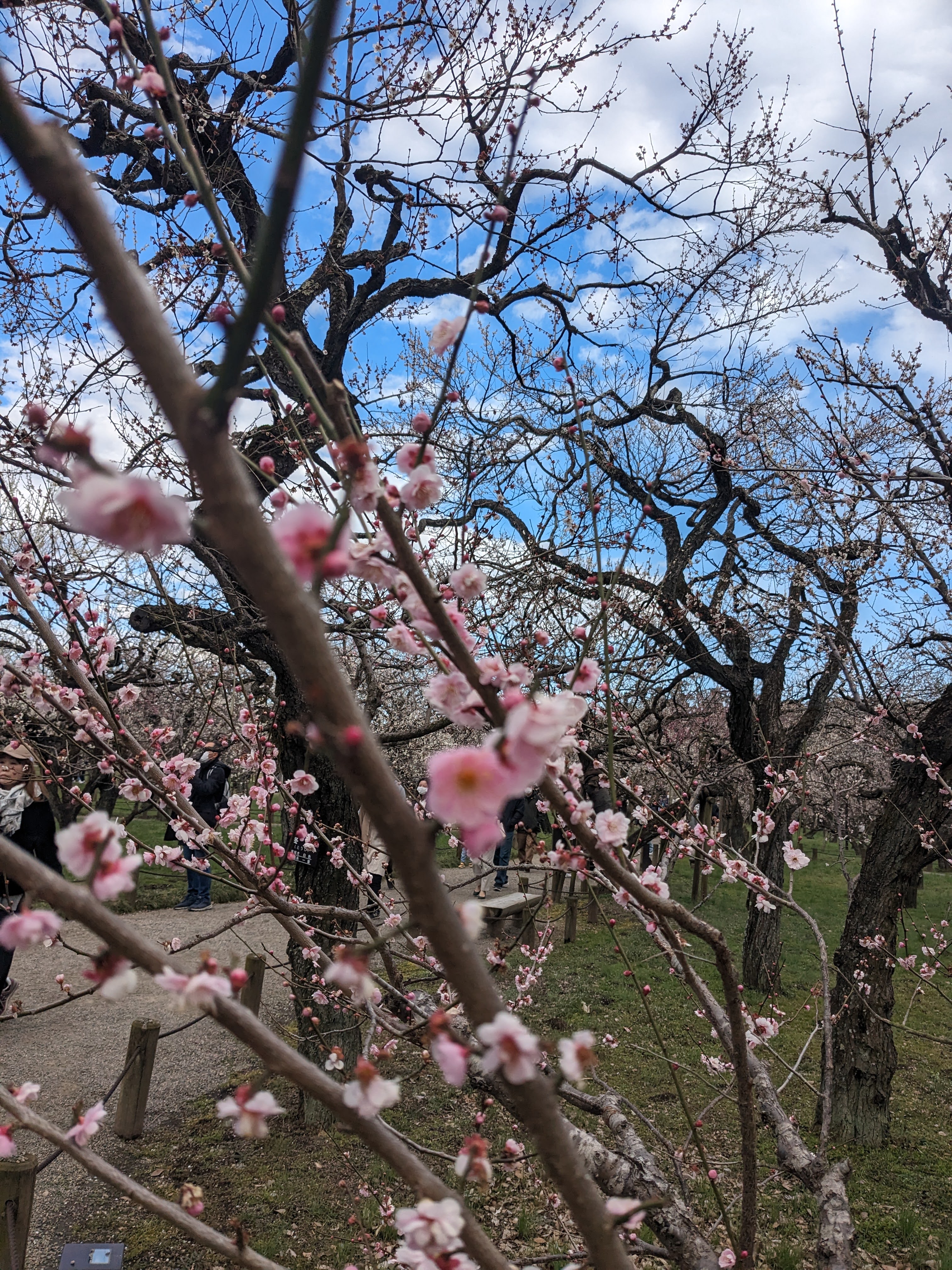 ▲ A vivid pink plum tree contrasting with green lawn.
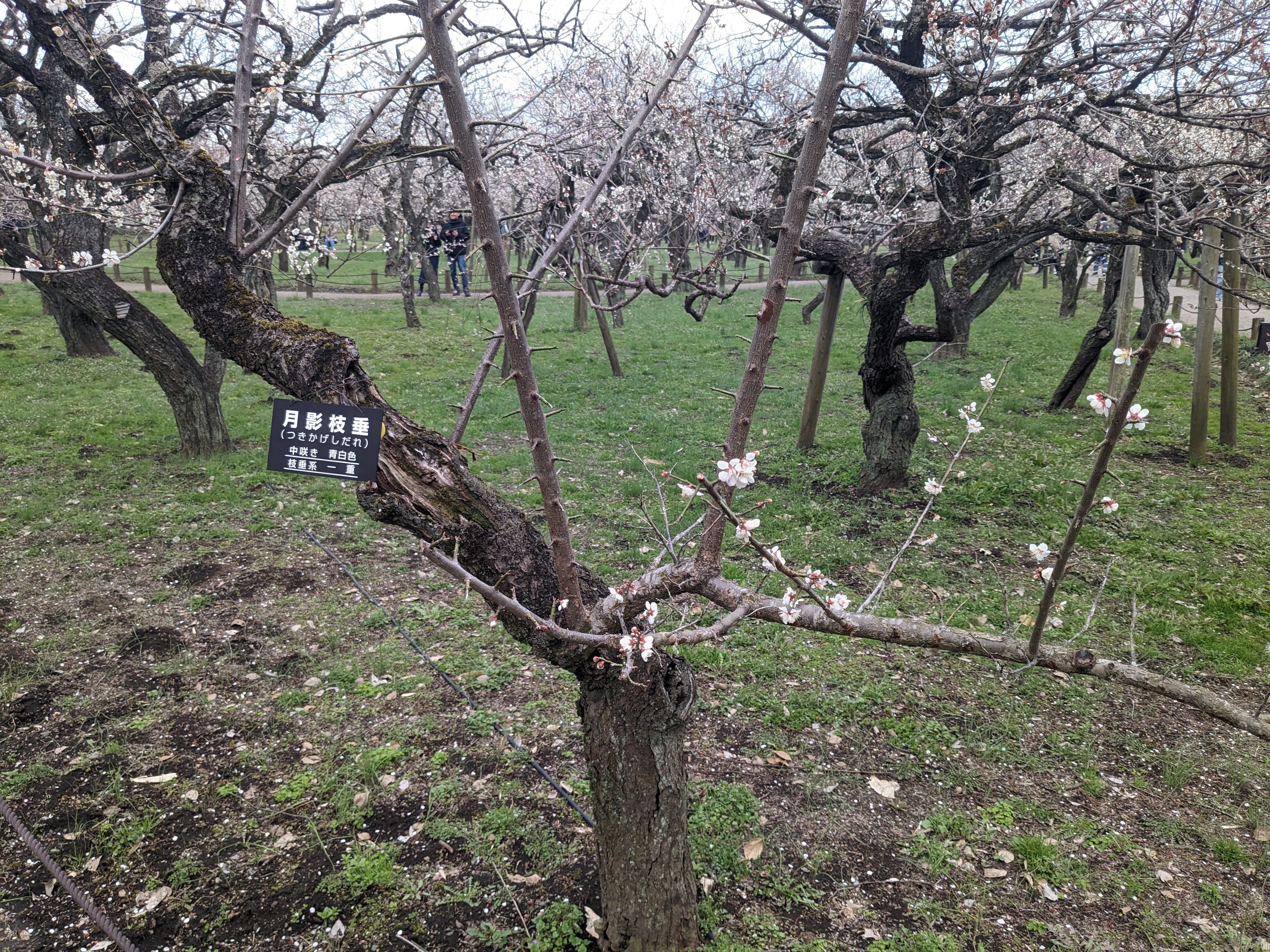 ▲ A plum-lined path like a tunnel; busy but easy to walk.
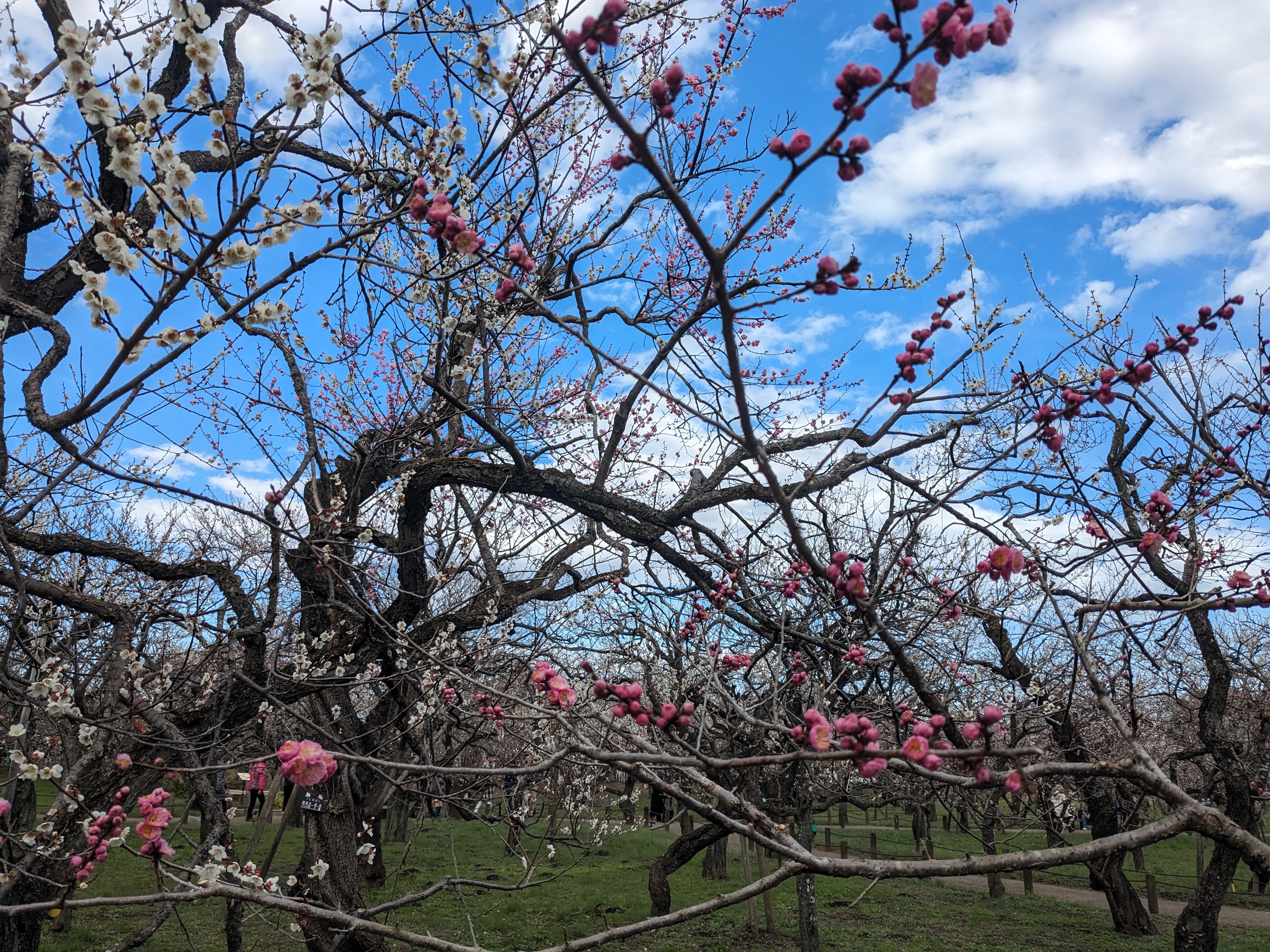 ▲ Looking up at plum branches mixing buds and blooms.
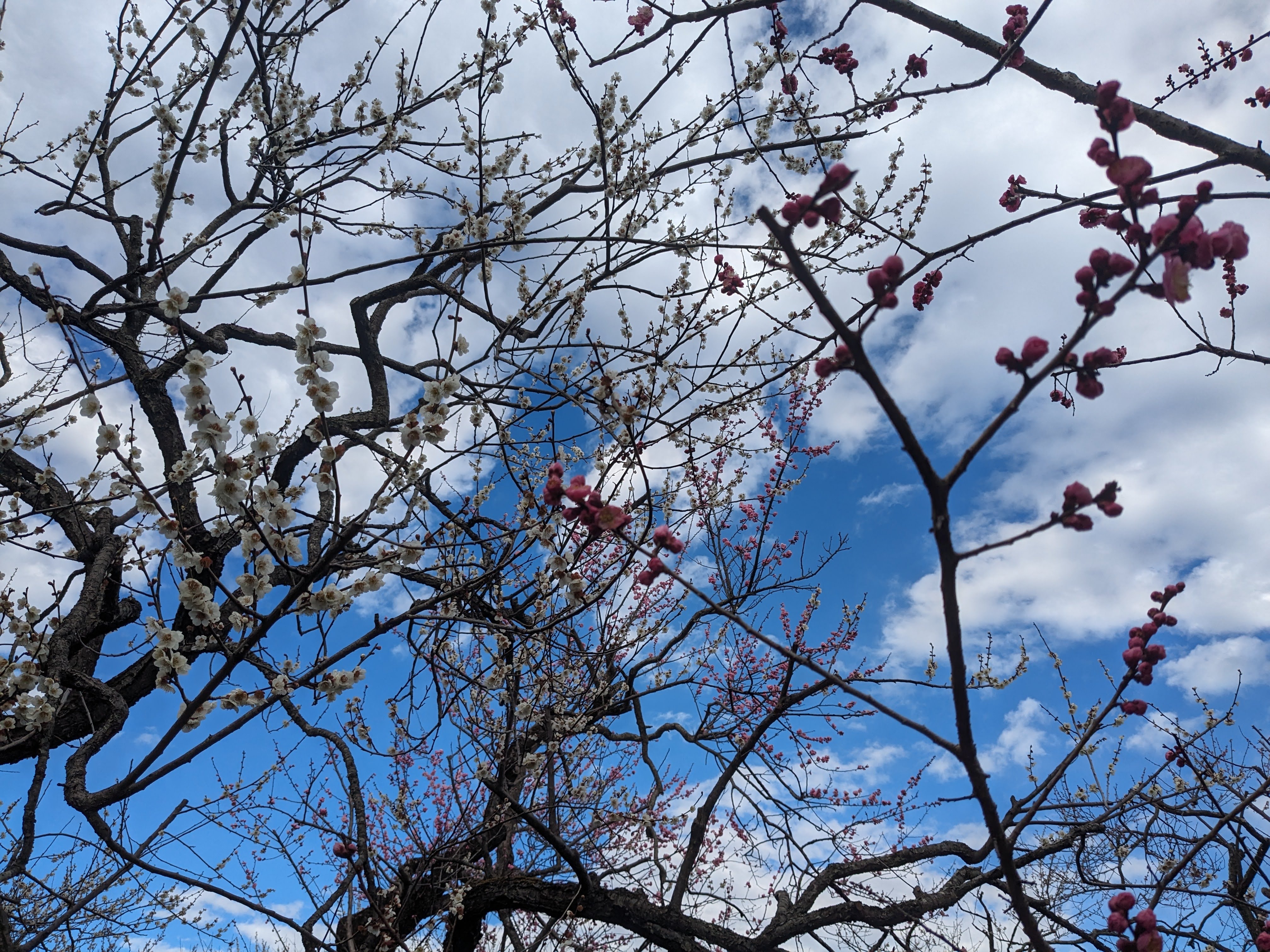 ▲ Bamboo and stone near Kobuntei—historic stroll mood.
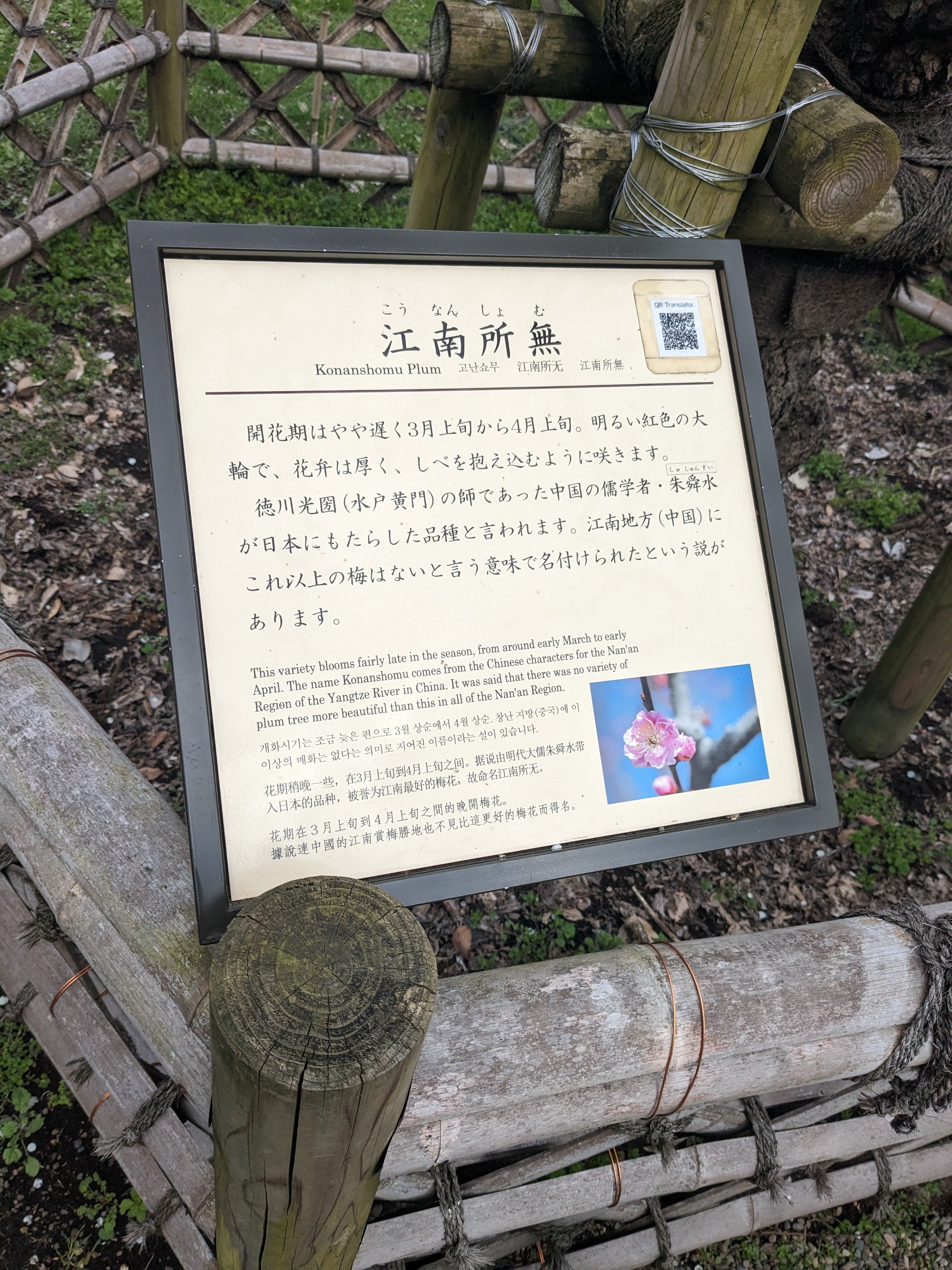 ▲ Mid-slope view over the plum forest; specks of color.
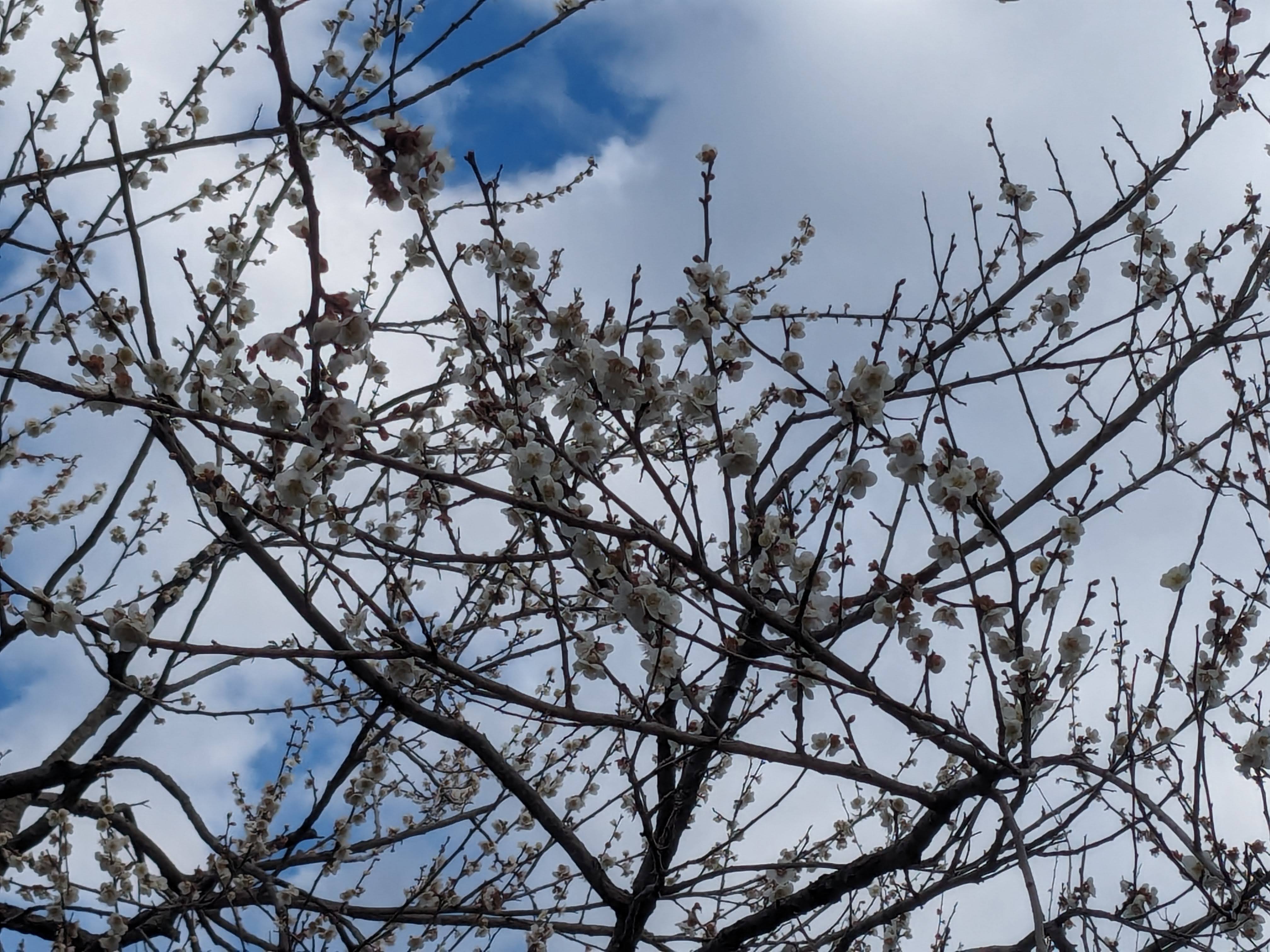 ▲ Dense white plum; petals stay bright even on an overcast day.
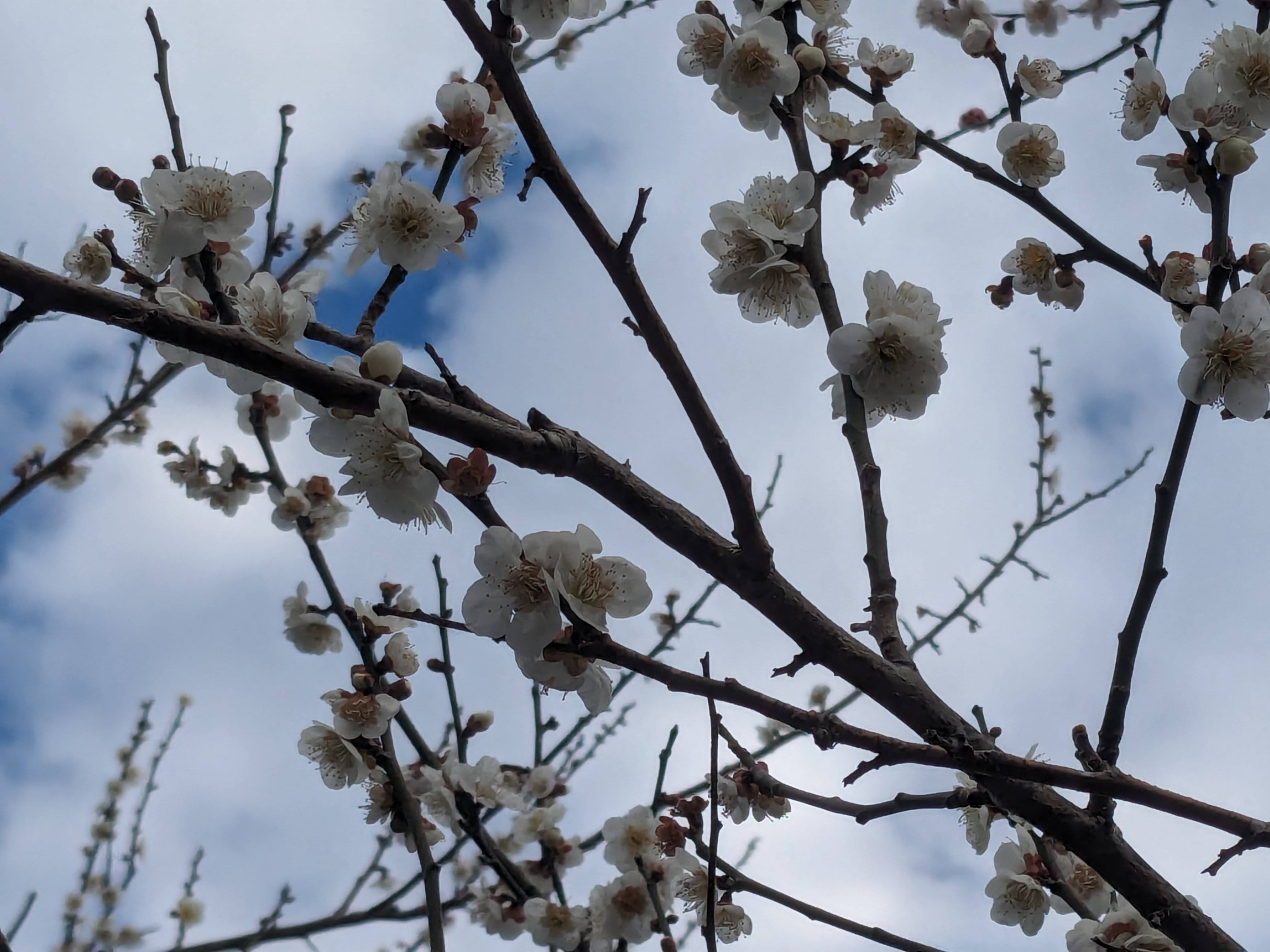 ▲ Close-up of pink plum blossoms and stamens.
The Joban Line and the plums: the classic Kairakuen frame
Stone steps against the grove, fallen petals underfoot, a long view down a slope with a queue of visitors below. Weeping-style branches scatter petals when the wind picks up, and the plum grove set against pine green is Japanese-garden colour work in its purest form.
The best-known composition in the garden puts a branch of red plum in full bloom and the Joban Line tracks running below it in the same frame. People naturally gather at the spot, so you take turns with the shutter.
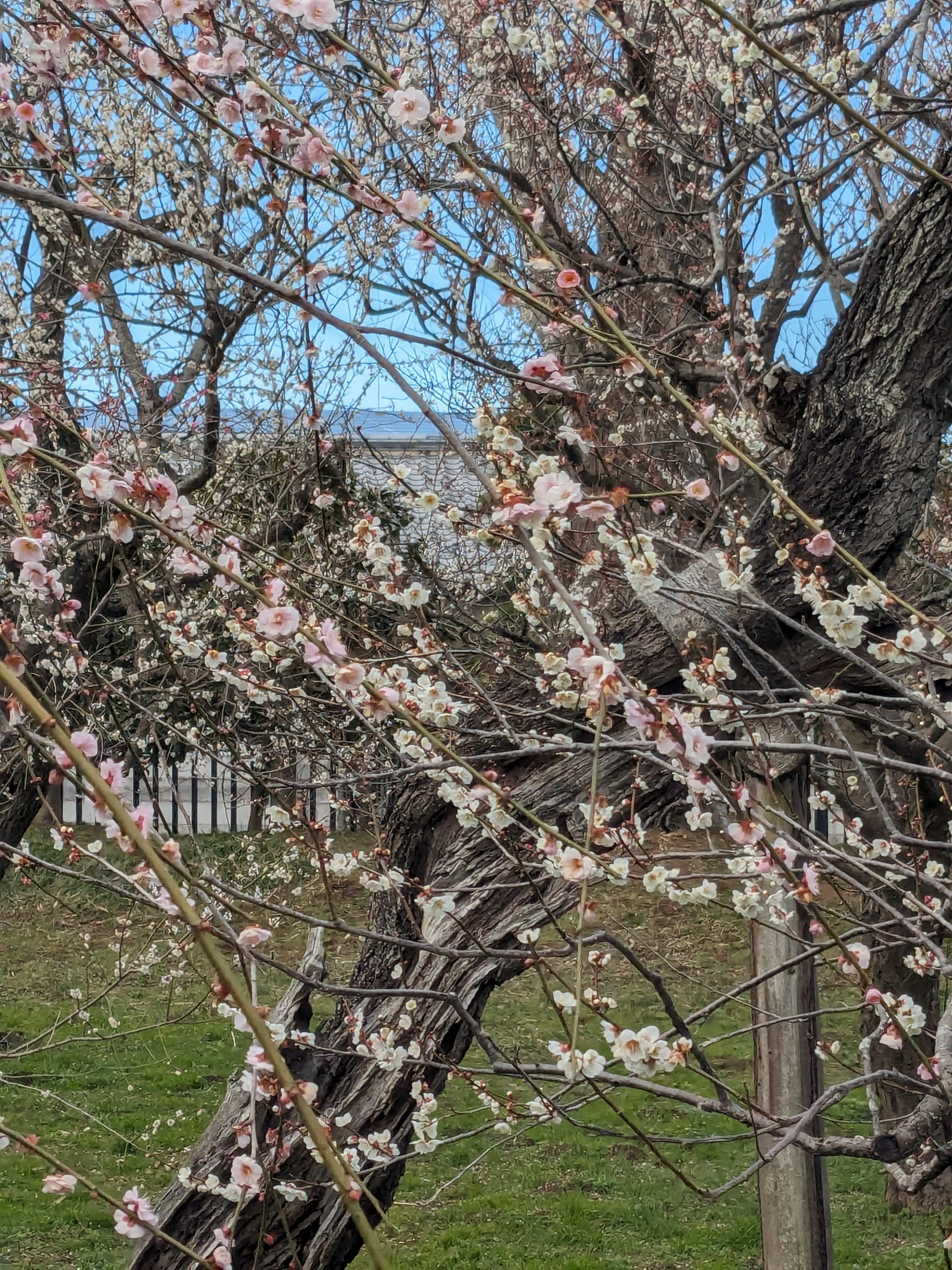 ▲ Park signs and a rest area; keep moving during the festival rush.
 ▲ Stone steps and plum petals underfoot—signs of spring.
 ▲ Open slope with a line of visitors below.
 ▲ Weeping-style branches; petals scatter in the breeze.
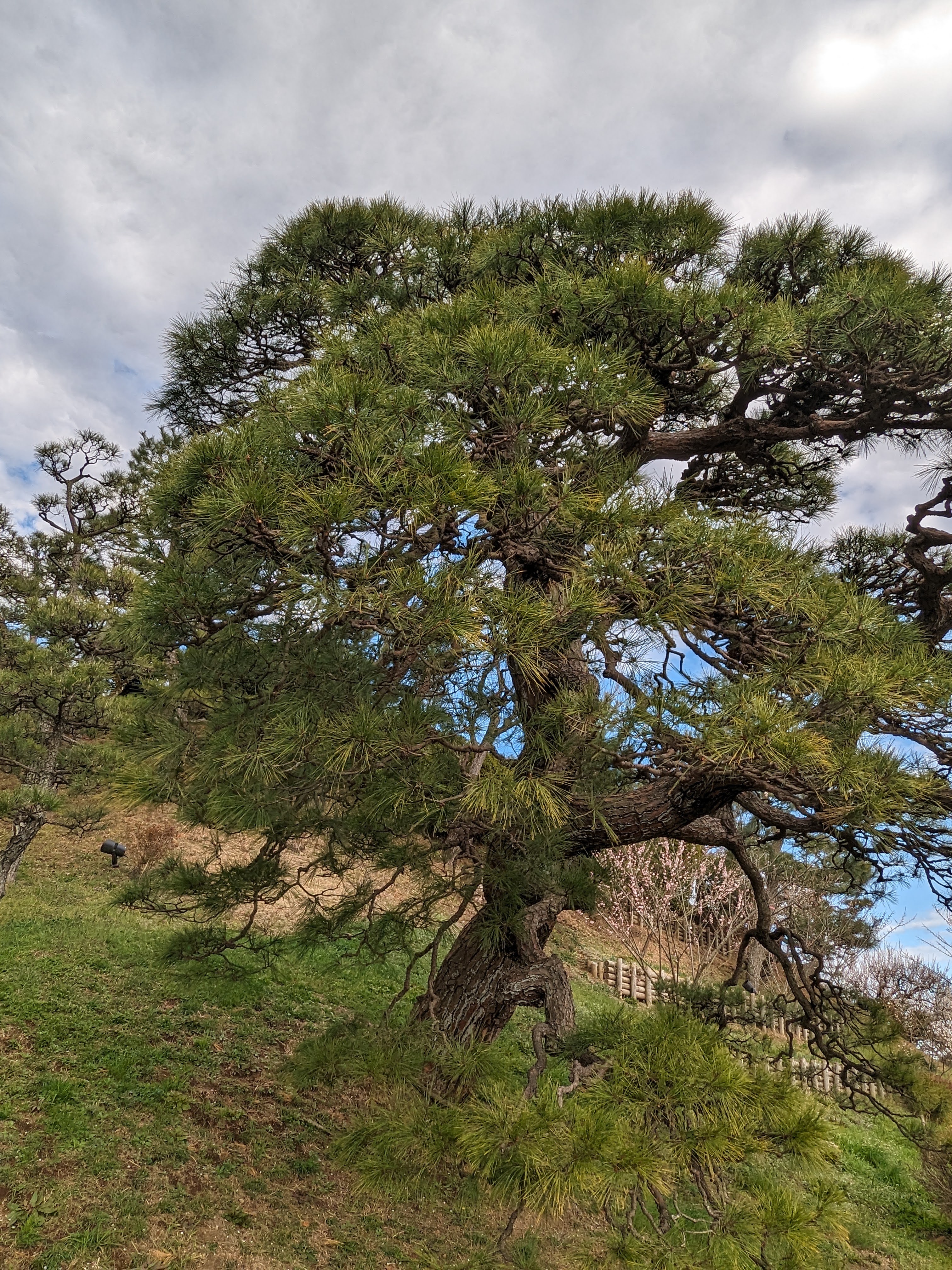
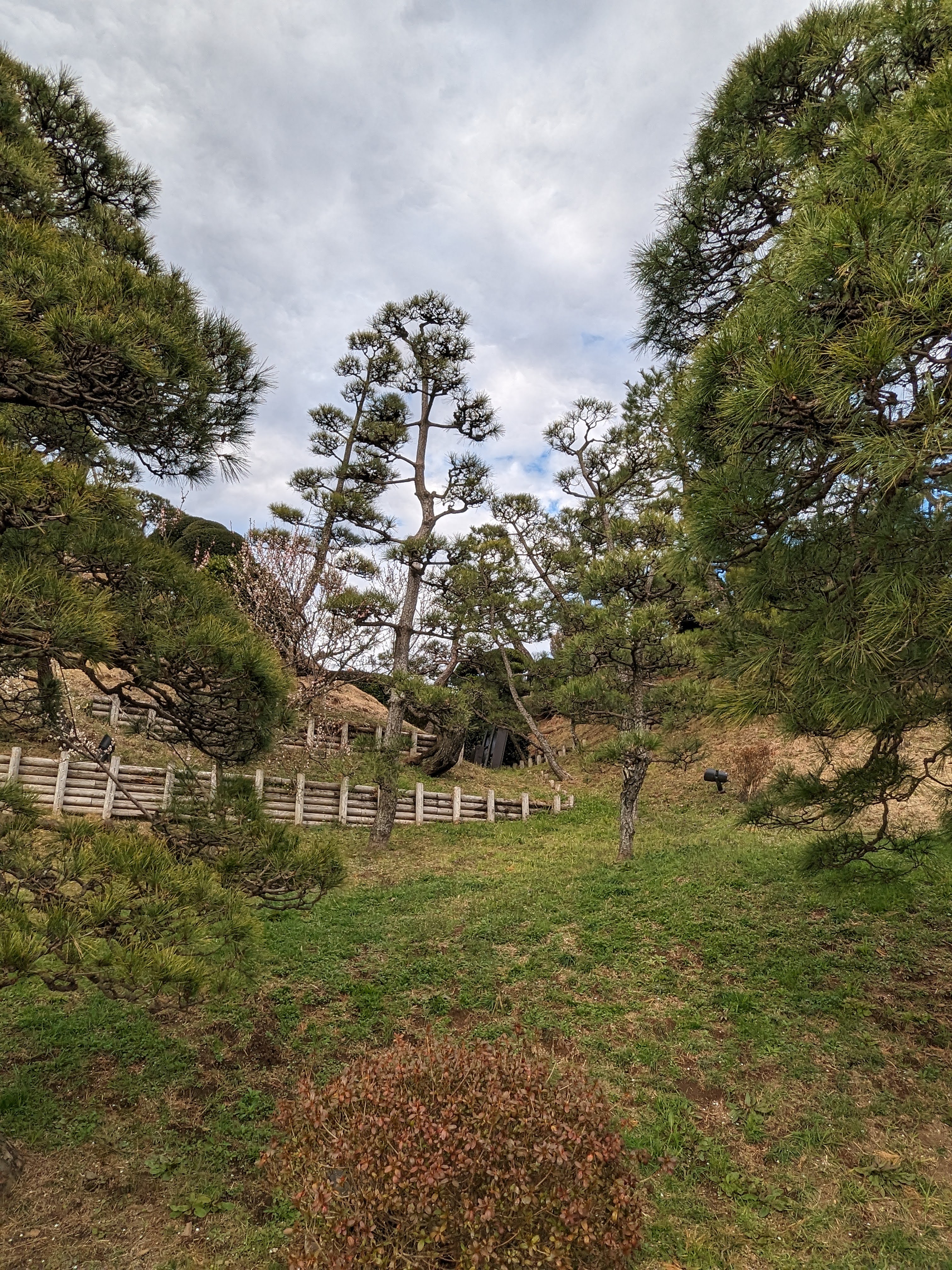
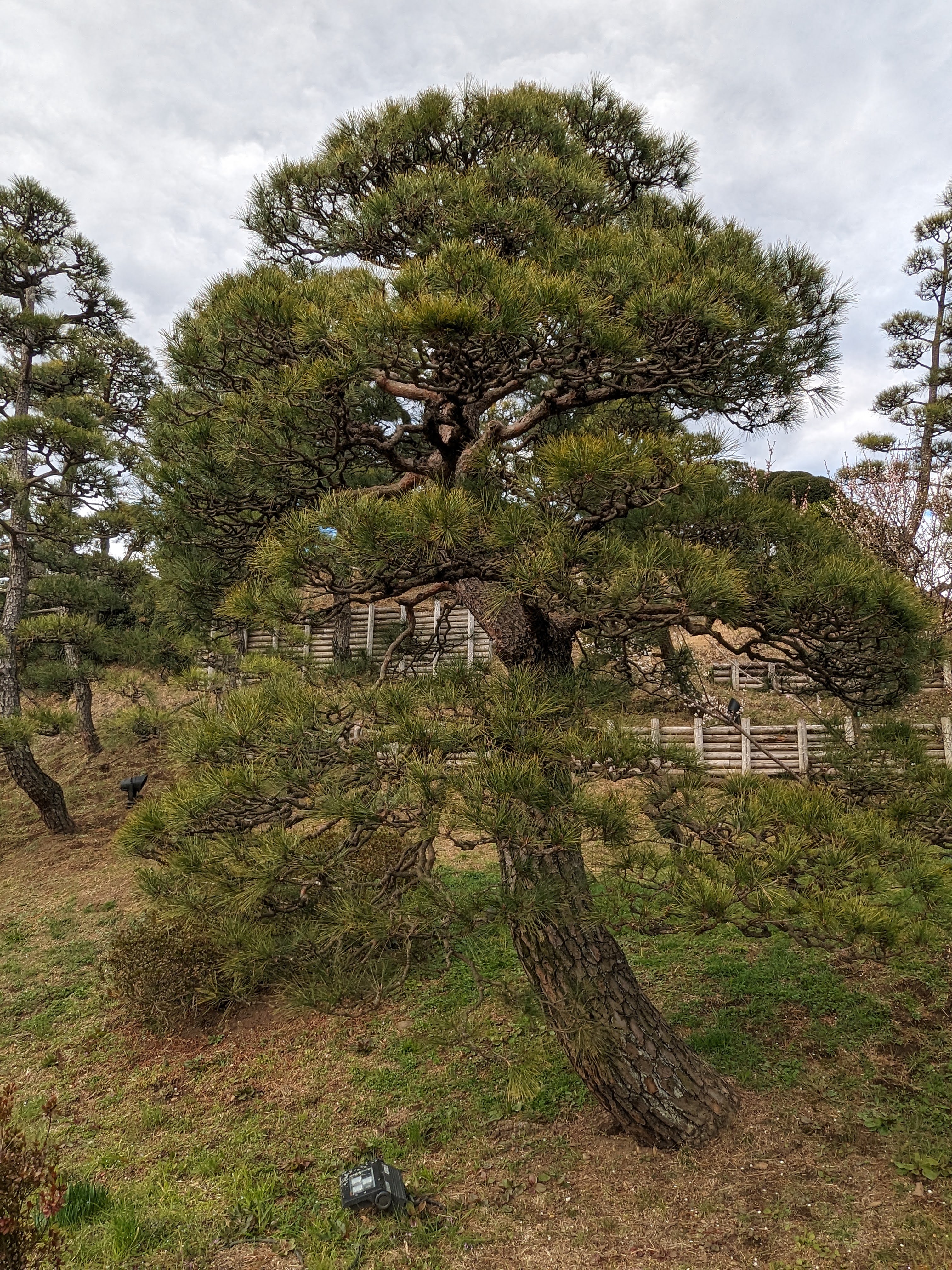
 ▲ Plum blossoms and pine green—a classic garden palette.
 ▲ Visitors share a photogenic tree and take turns shooting.
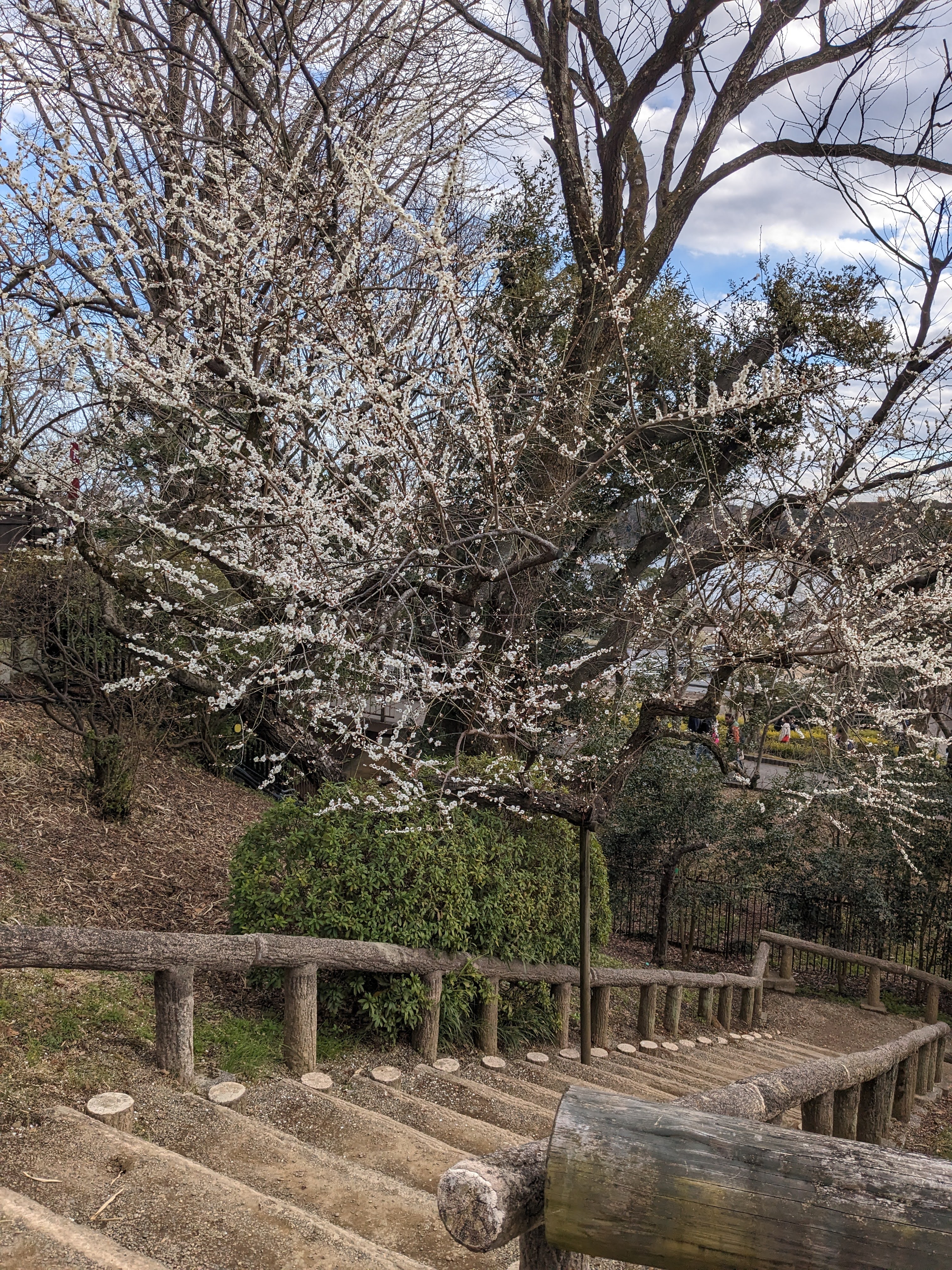
 ▲ Plum against evergreen trees—early spring with few leaves.
 ▲ Open plaza after a bend in the path—flower viewing with a break.
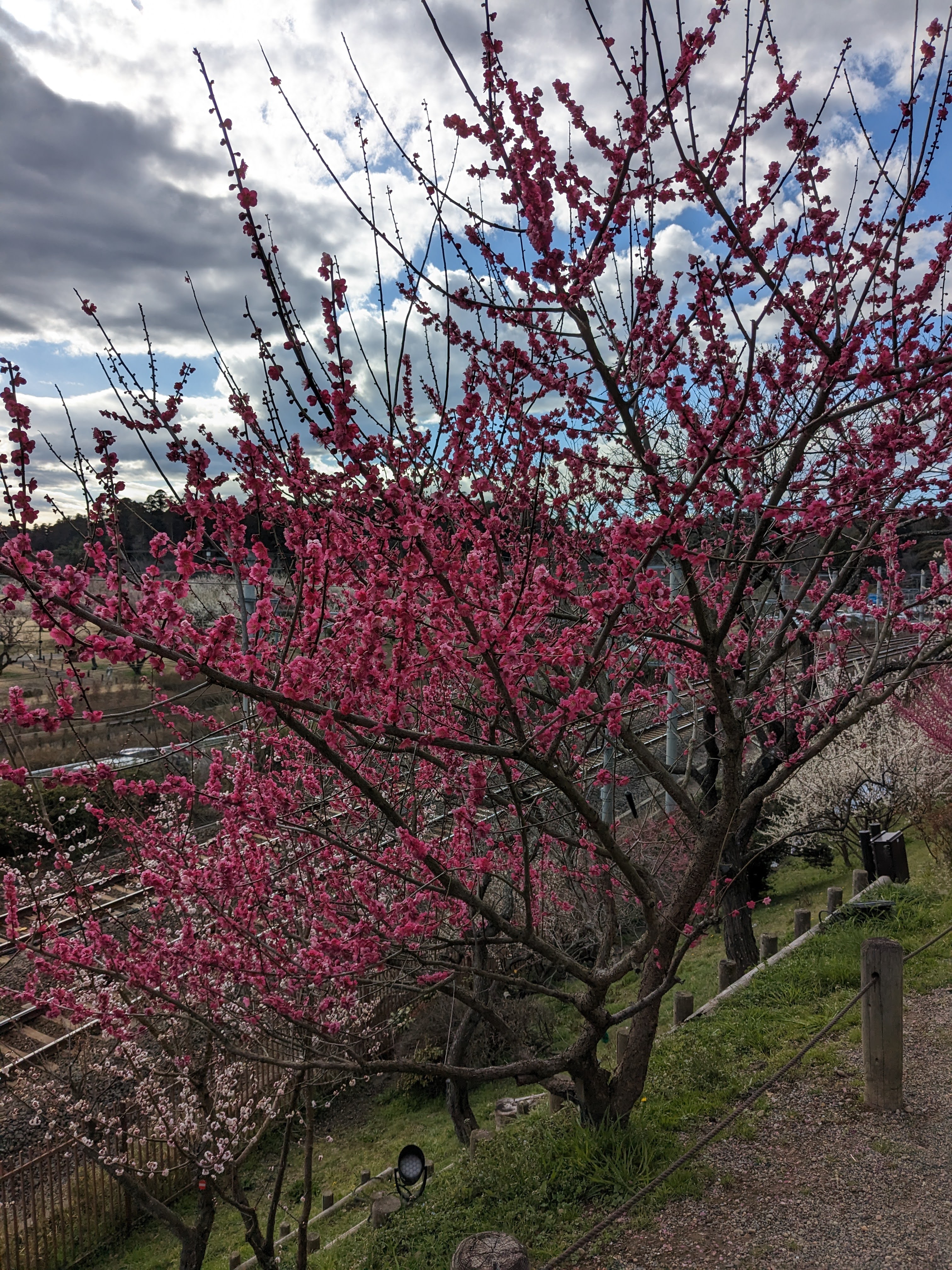 ▲ Kairakuen plum classic: pink blooms and Joban Line tracks in one frame.
Up the slopes and steps, a lap of the garden
The path toward Kobuntei is signposted. When light broke through a gap in the cloud, the boundary between blossom and sky came out cleanly. A bench under a plum tree is a good place to just look, and if you want quiet shots, the side paths away from the crowd settle down quickly.
Branches with mixed red and white put a whole gradient of spring in one frame. Seeing buildings outside the garden from within the grove is particular to an urban scenic site. Stone retaining walls beside plum trees invite you to imagine the traces of Edo-period landscaping. At the top of the climb we caught our breath and took one more.
 ▲ Path toward Kobuntei following the signs.
 ▲ Flowers against the sky; light through a gap in the clouds.
 ▲ A bench under plum trees—slow travel.
 ▲ A quieter side path for photos away from crowds.
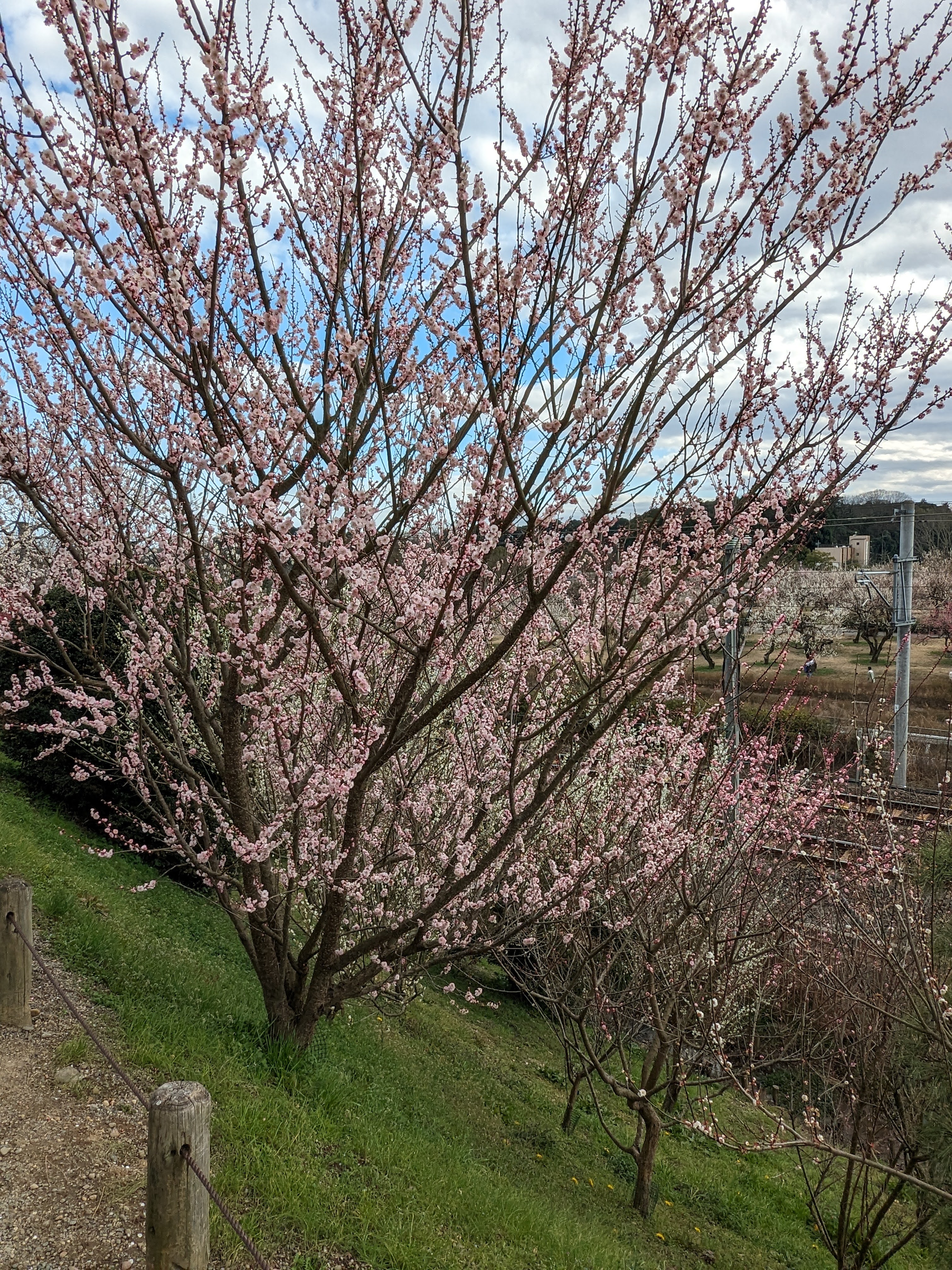 ▲ Red and white blossoms in one frame—a spring gradient.
 ▲ Buildings beyond the garden wall—urban national scenic spot.
 ▲ Stone walls and plum—imagining Edo-era landscaping.
 ▲ Dense blossoms on twigs—watch for bees.
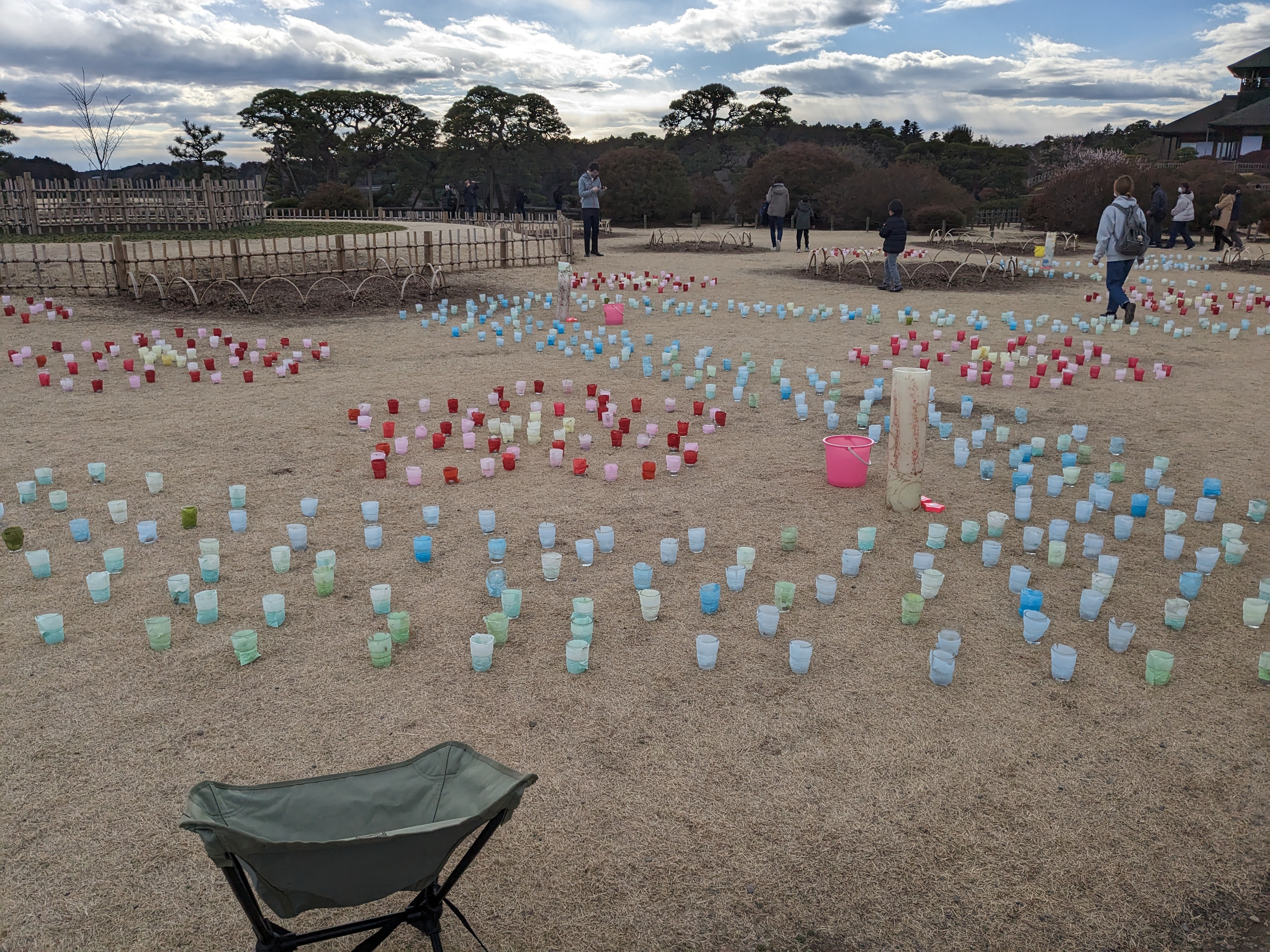 ▲ View after the climb; catch your breath, take a shot.
Pruned silhouettes, and time spent looking for a photo
The pruned silhouettes of plum and pine are evidence of a thoroughly maintained garden. Where a stream and bridge come into view, you can pair water with blossom. Shoot toward the plums with the crowd behind and you get the bustle of spring; shoot down at pale pink petals on the ground and you get the season turning.
Looking down over the grove from higher up brought the scale home again. The planting itself makes composition enjoyable—hold the exposure down for a mass of white plum, use the blue sky for contrast on a red branch—so we kept changing approach while walking the same garden. At path junctions, a map app helps you not get turned around.
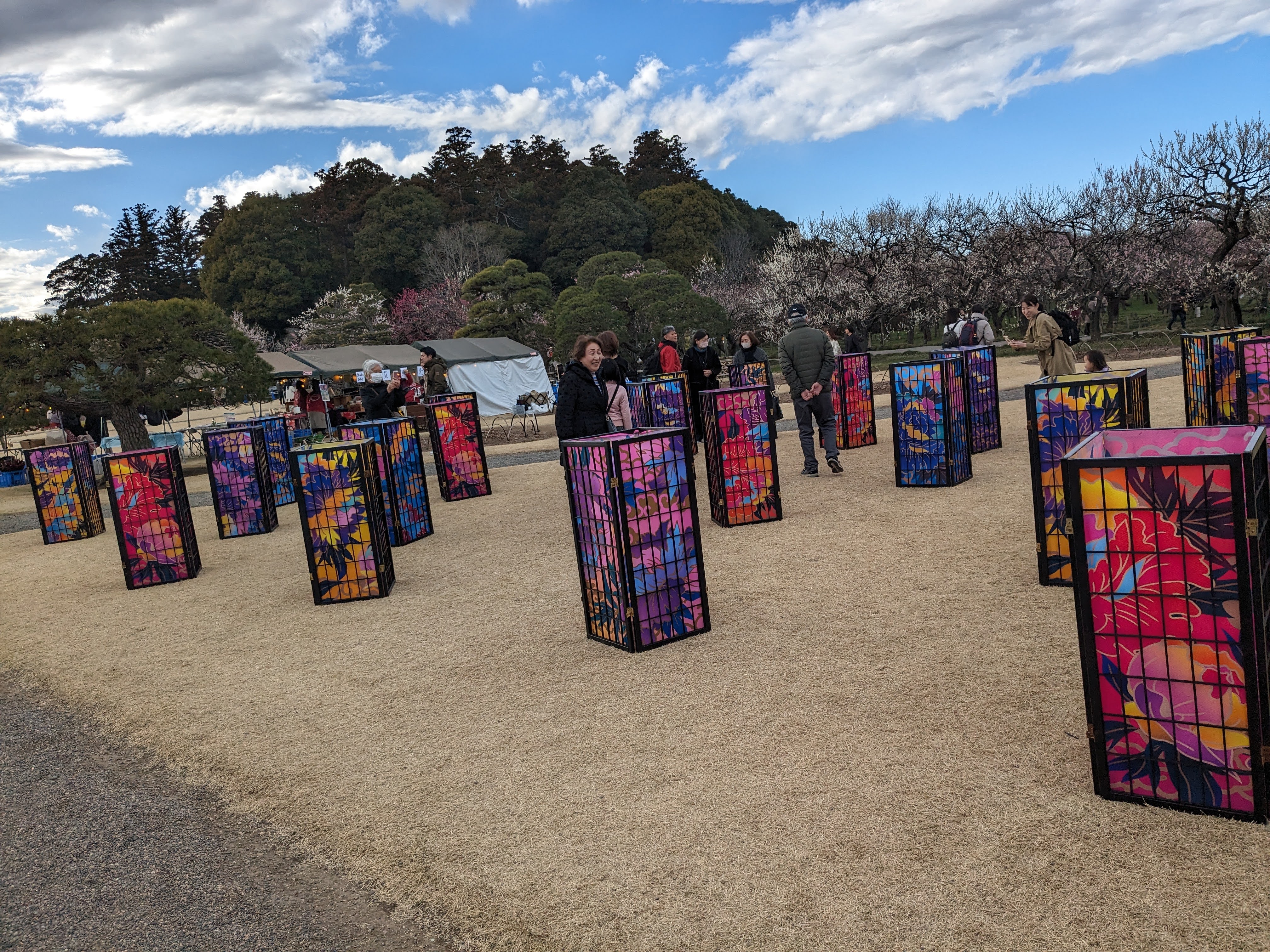 ▲ Pruned pine and plum silhouettes—meticulous care.
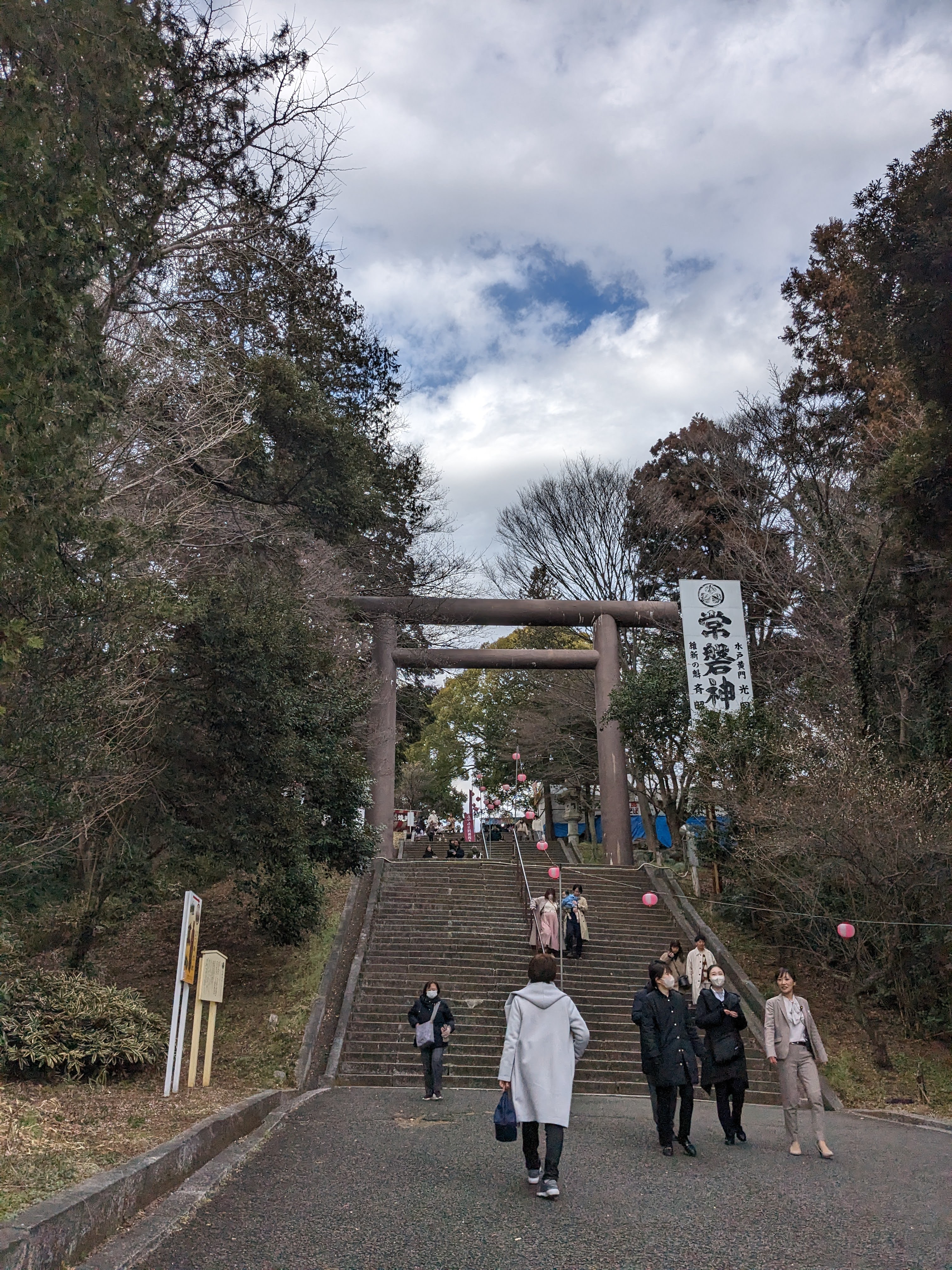 ▲ Creek and bridge in the garden—water and blossoms.
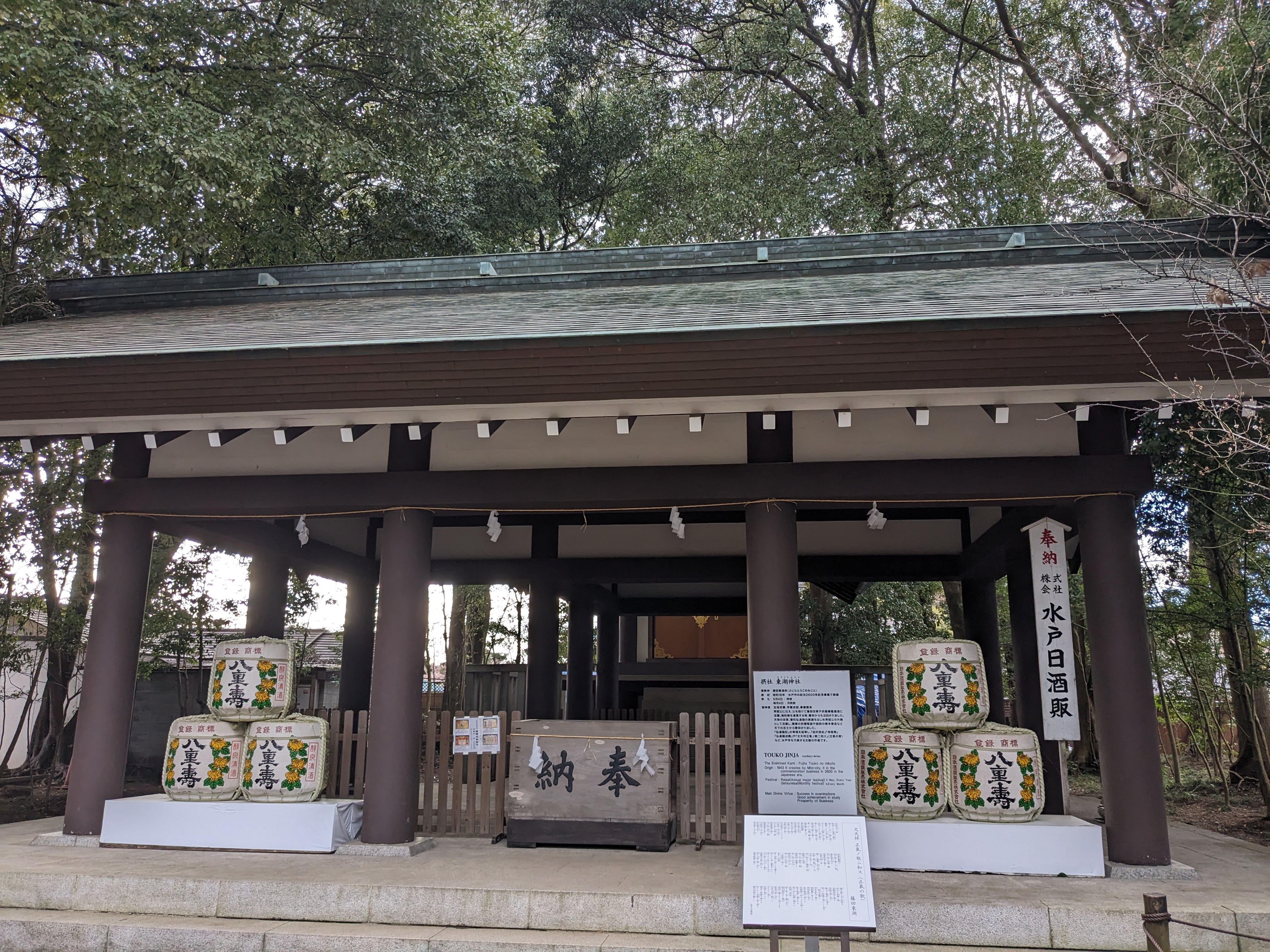 ▲ Plum close-up with crowds behind—spring bustle.
 ▲ Pink petals on the ground—season turning.
 ▲ High angle over the plum sea—sense of scale.
 ▲ Planting layout unique to Kairakuen—fun to frame shots.
 ▲ Mass of white plum—expose carefully to avoid blowout.
 ▲ Pink plum branches against blue-gray sky.
 ▲ A fork in the garden paths—use the park map or app.
 ▲ Woodland edge at the grove before the next zone.
Meeting Train Suite Shiki-shima by Lake Senba
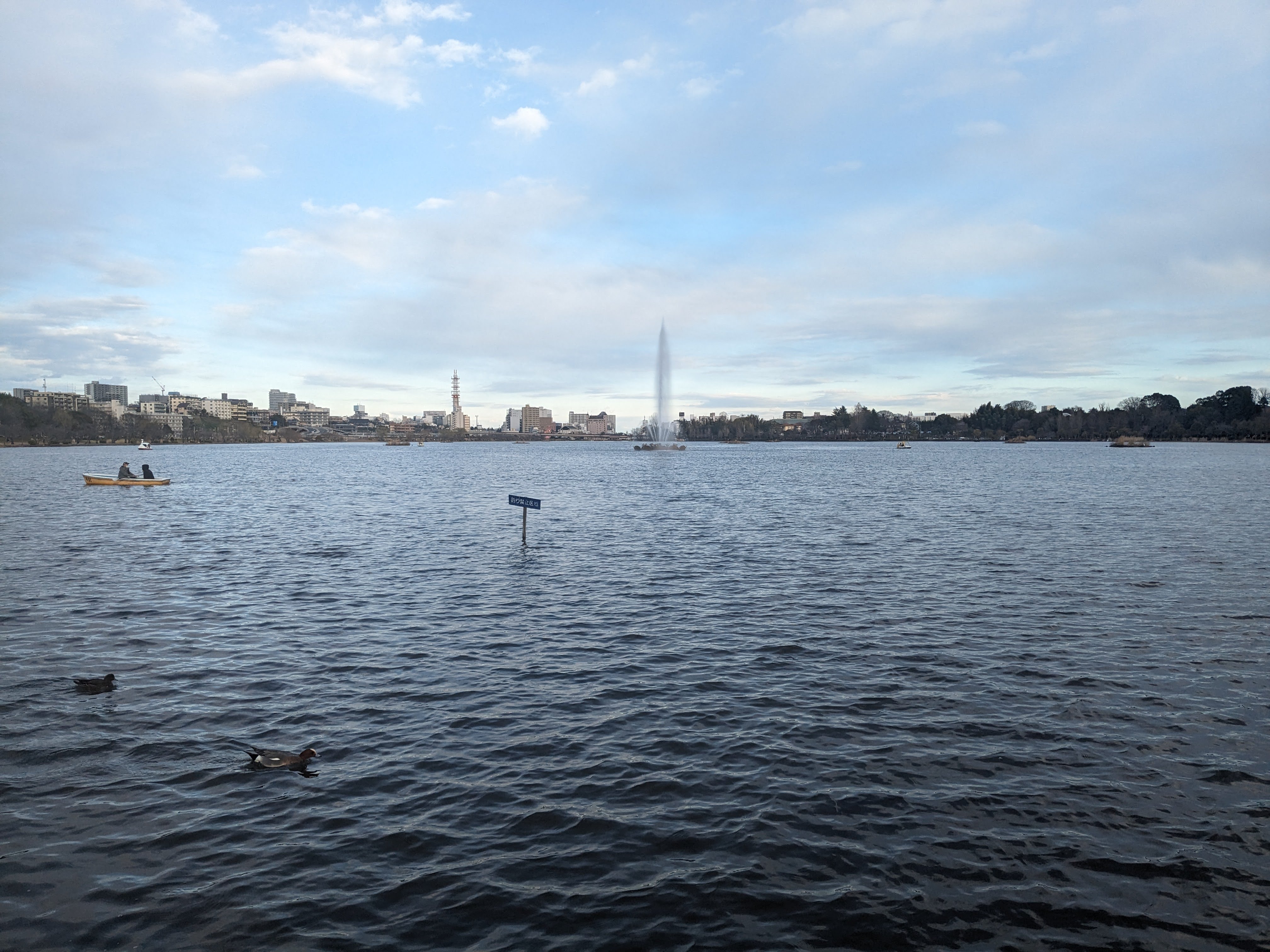
Past the edge of the grove, the view opens toward Lake Senba—and here we got lucky. The cruise train Train Suite Shiki-shima was stopped, so we could frame it together with white plum and the onlookers. Nothing about that was planned.
The lakeside promenade is the right length for a break, with the lake, its tree line and distant buildings forming a soft transition between city and nature. Kairakuen admission was ¥300 for a general adult, entering at 14:35—a surprising price for peak plum season.
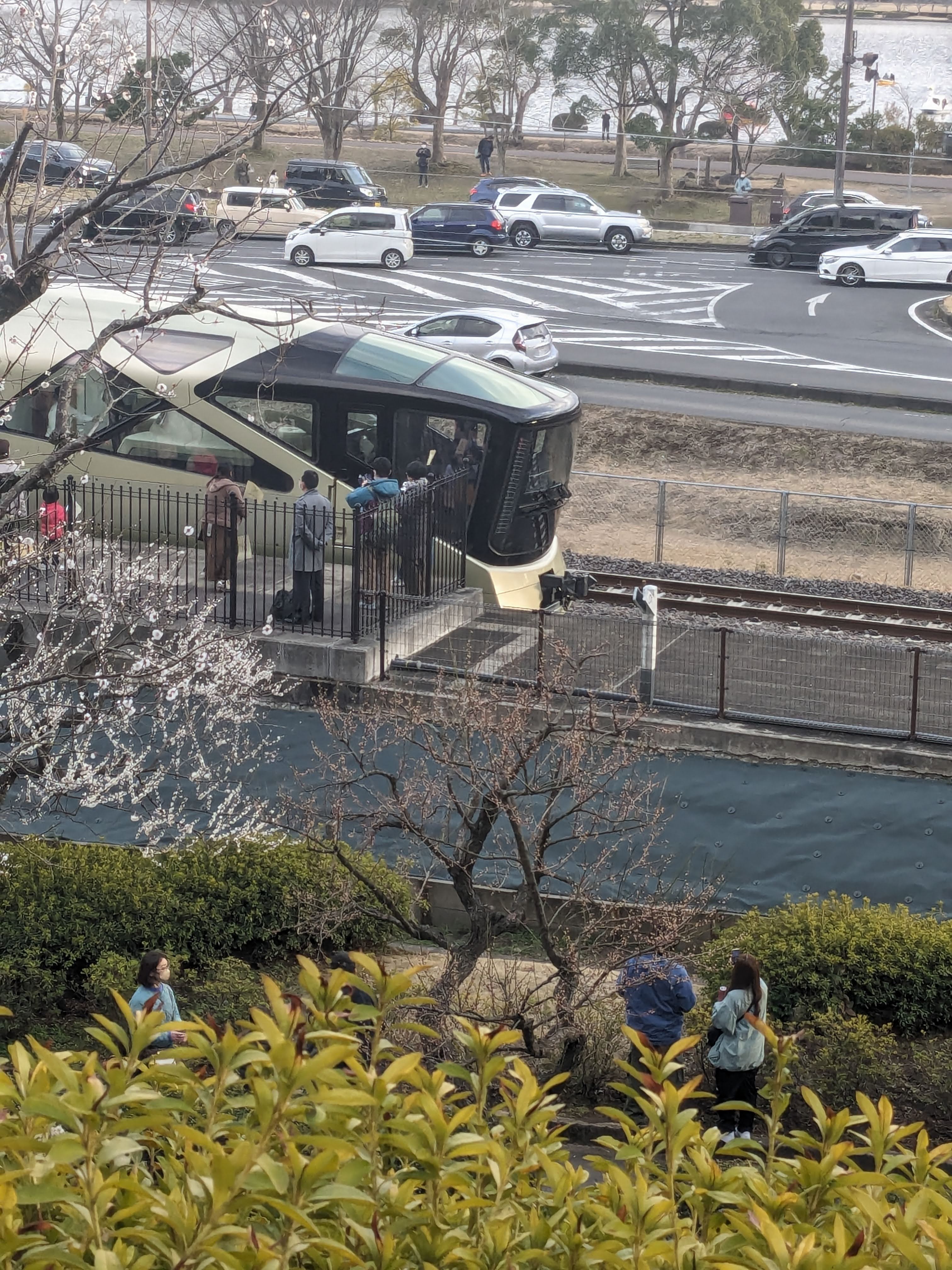 ▲ Train Suite Shiki-shima stopped near Lake Senba; white plum and onlookers.
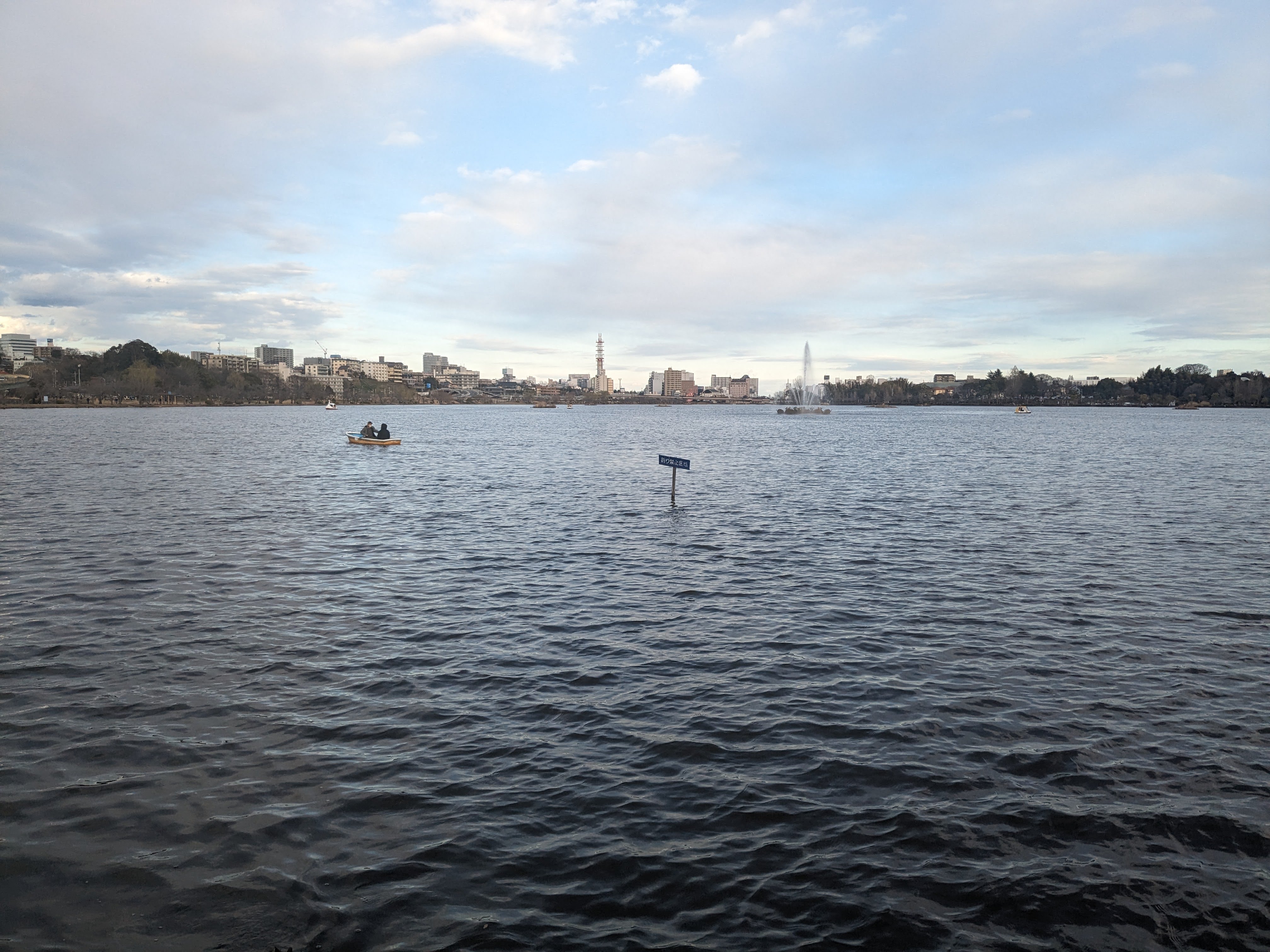 ▲ Lake Senba and distance from Kairakuen; plum color even under cloud.
 ▲ Lakeside promenade and trees—a comfortable stroll.
 ▲ Open view toward Lake Senba; city fades into nature.
 ▲ Lake, tree lines, and distant buildings—a calm scene.
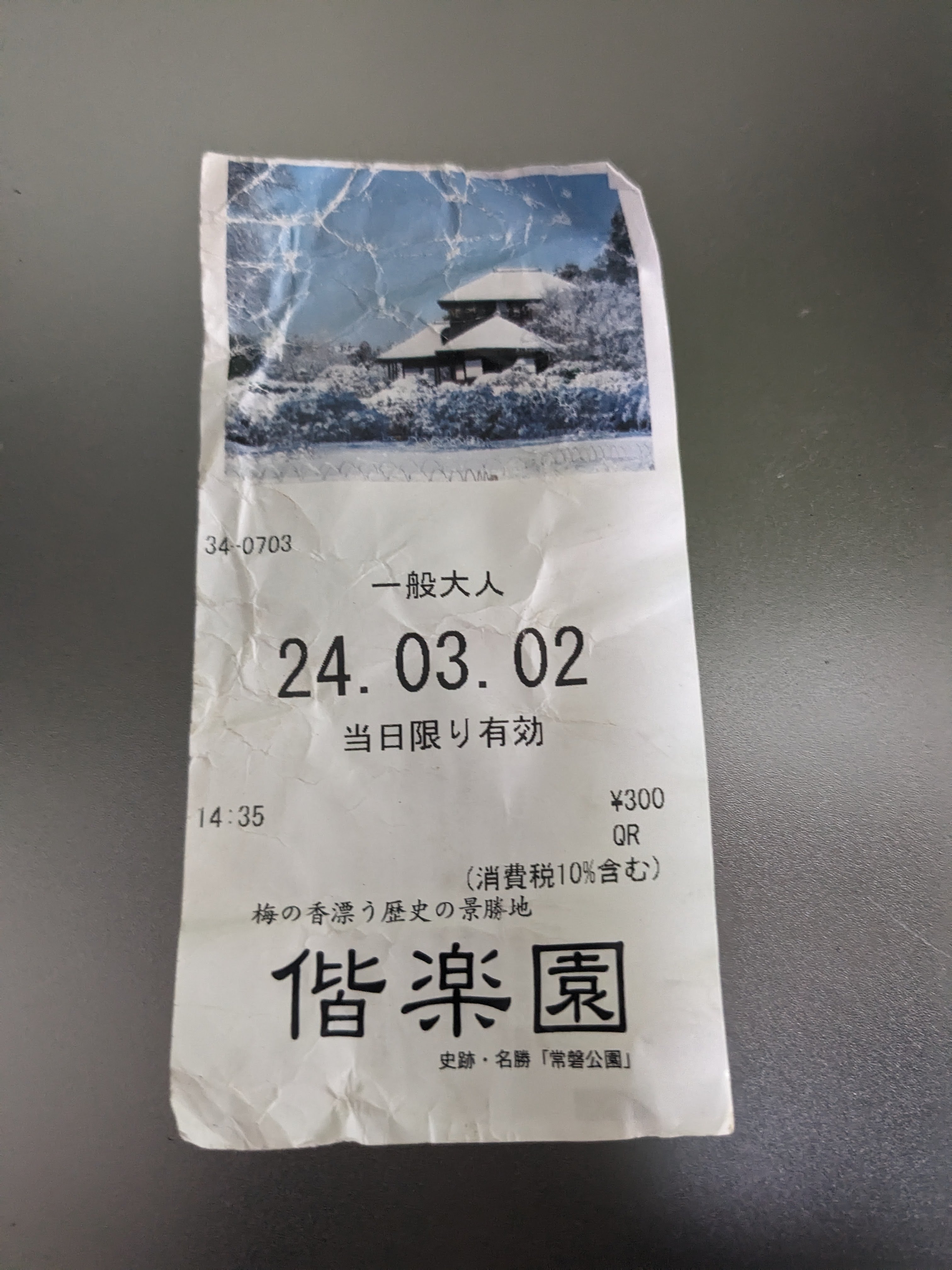 ▲ Kairakuen ticket (Mar 2, 2024, 14:35, adult ¥300) kept as a plum-festival memento.
Dinner: karaage, hokke and Ibaraki brand beef
Dinner was at a Japanese restaurant: karaage cut with grated daikon and ponzu, charcoal-grilled split hokke rich and fragrant, and thin-sliced beef with wasabi and lemon to bring out Ibaraki brand beef. After a day on your feet among the blossom, stopping at eighty percent full is plenty satisfying.
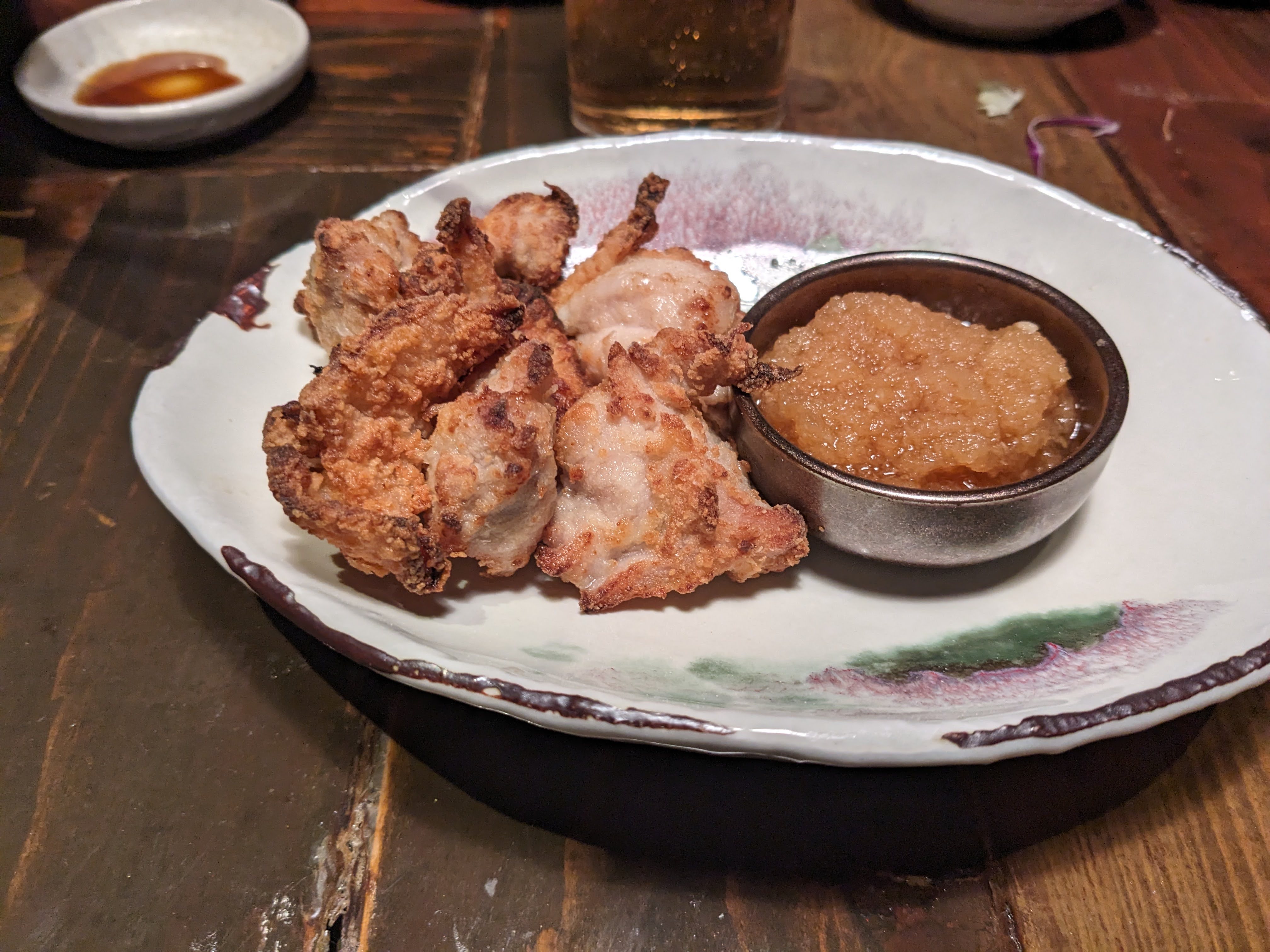 ▲ Evening meal: karaage with grated daikon and ponzu—great with beer.
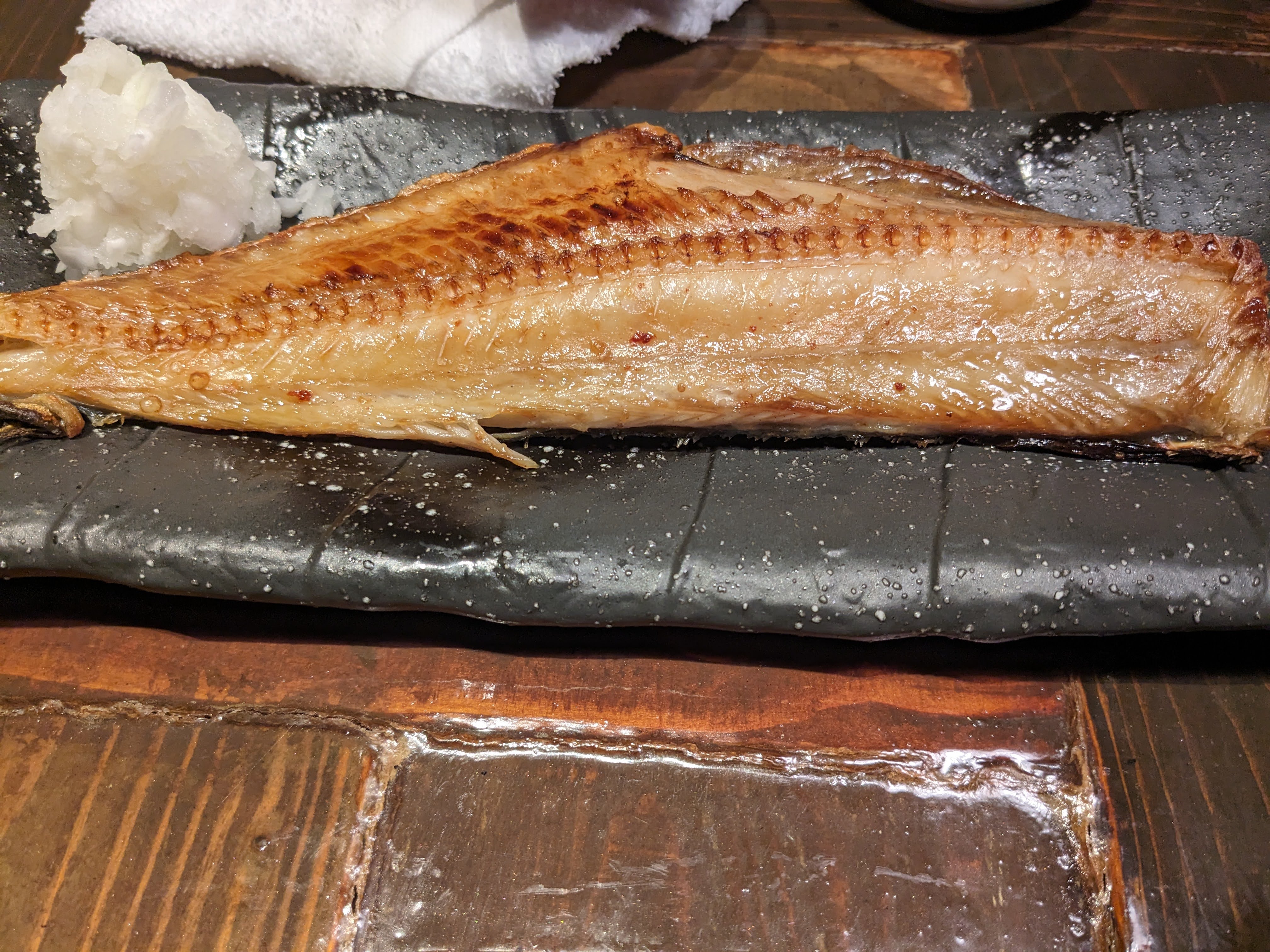 ▲ Grilled Atka mackerel (hokke)—oily and fragrant.
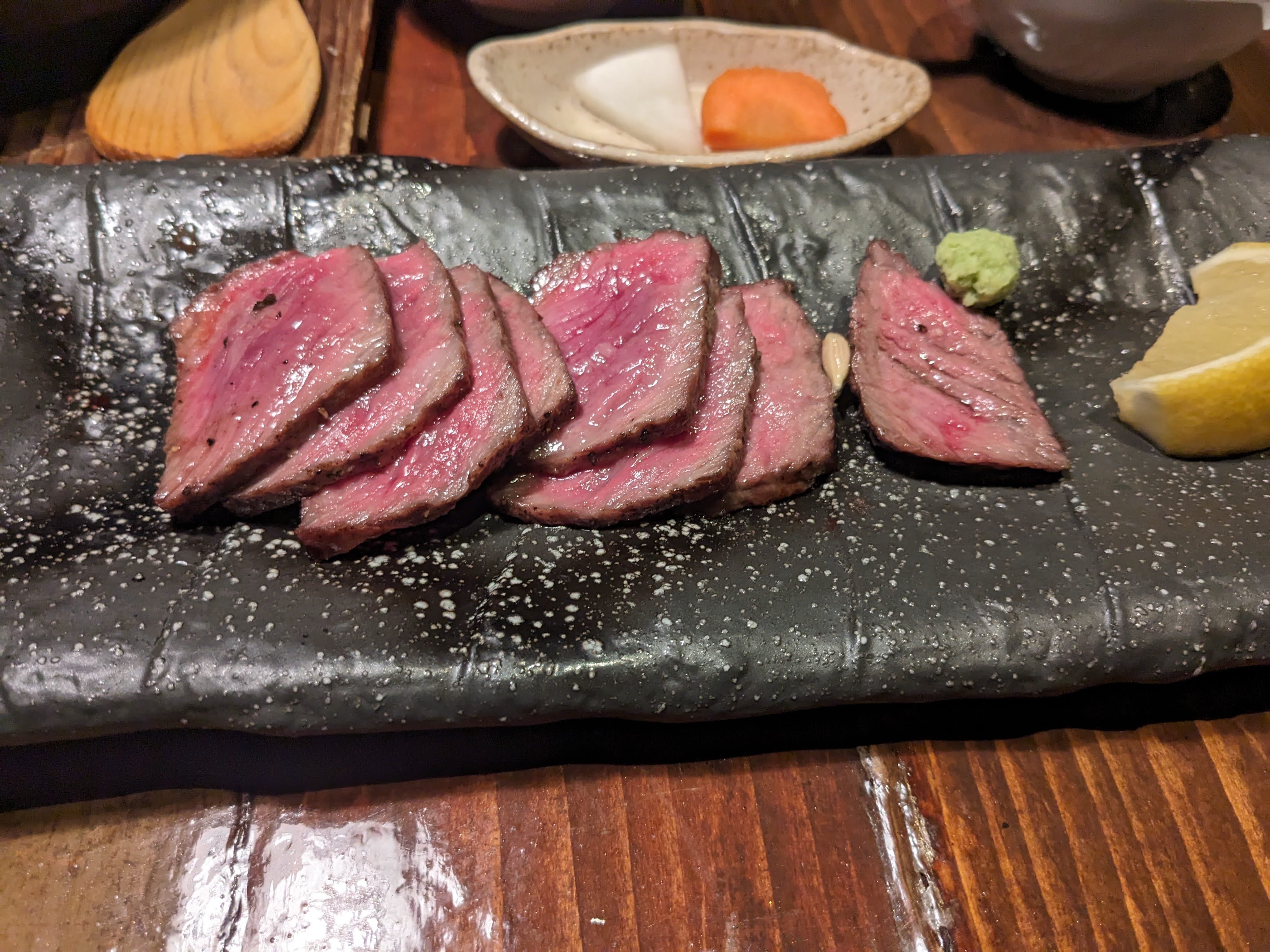 ▲ Thin-sliced beef (roast-beef style) with wasabi and lemon—Hitachi beef territory.
Day 2 night: Izakaya
Before heading back to the hotel we stopped at an izakaya for skewers and small plates and a taste of the local evening. Warm dishes and cold ones balanced well, and we finished slowly over a glass—a fitting second stop after a day dense with blossom and food.
 ▲ Izakaya table with skewers and small plates.
 ▲ Close-up of dishes—hot and cold sides in balance.
 ▲ Drinks and snacks—winding down a night in Mito.
Day 3: Tsukuba Wanwan Land
The last day moved west to Tsukuba Wanwan Land—half a day that dog people will not want to cut short.
Watching the show at WANWAN STAGE
First to WANWAN STAGE, watching the dog show from the stands. The trained routines are of course fun, but the better part is feeling the moment when a dog and its handler are breathing together.
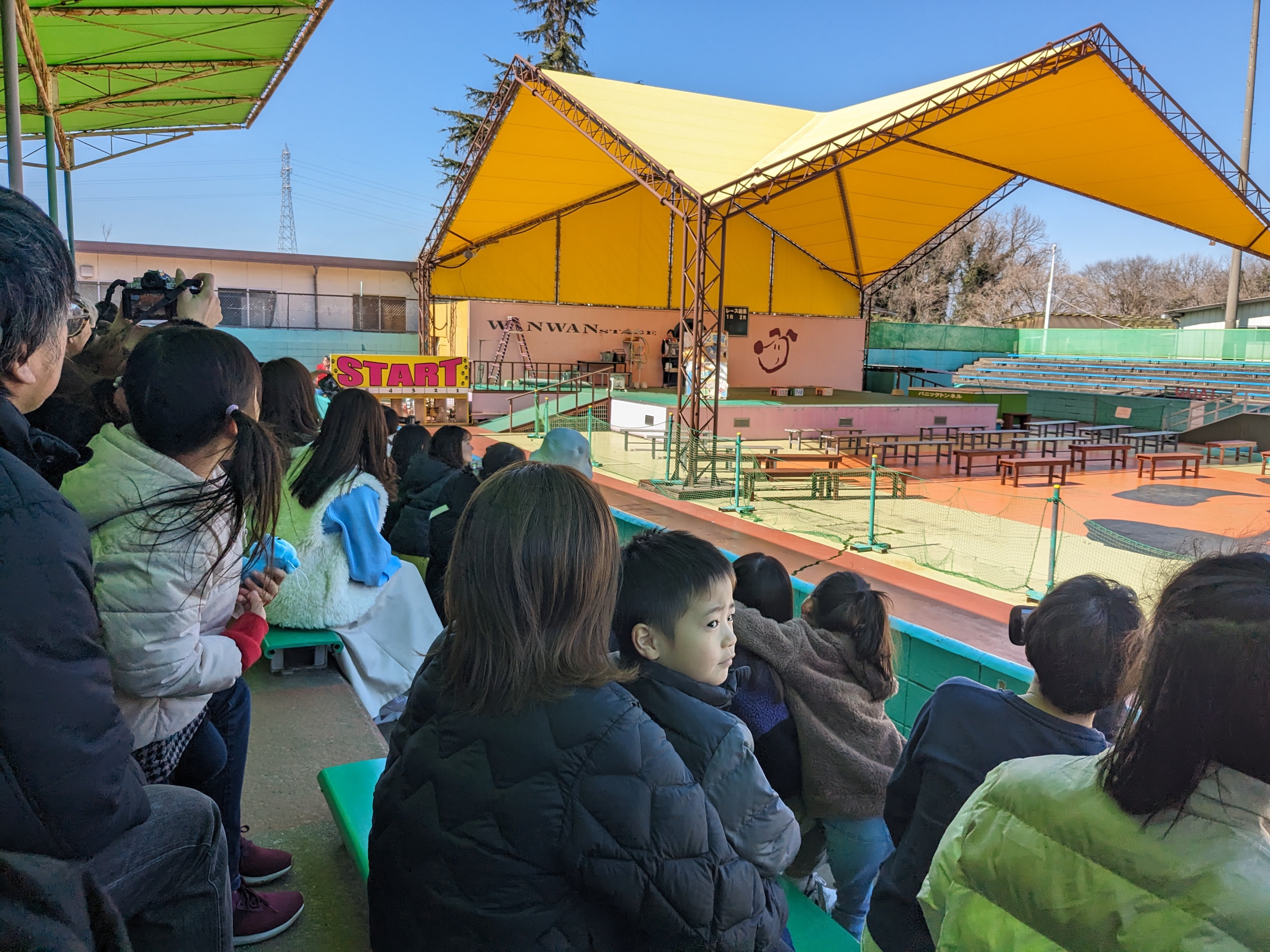 ▲ Tsukuba Wanwan Land: WANWAN STAGE dog show from the bleachers.
Large-breed zone: Saint Bernards and Borzois
The kennel zone lets you see large breeds up close—their posture and their coats. The Saint Bernard enclosure, with its striking yellow floor, puts several together and their sheer build comes straight through.
Long-bodied dogs like the Borzoi included individuals wearing vests with per-dog warnings: not good with children, may bite. A petting facility is not a place you approach on “cute” alone; reading the notices and observing within the rules is part of the visit. There are moments when a dog meets your eye through the fence, and since the zones are divided by breed, each is relaxing at its own pace.
 ▲ Large-dog area—posture and coat up close.
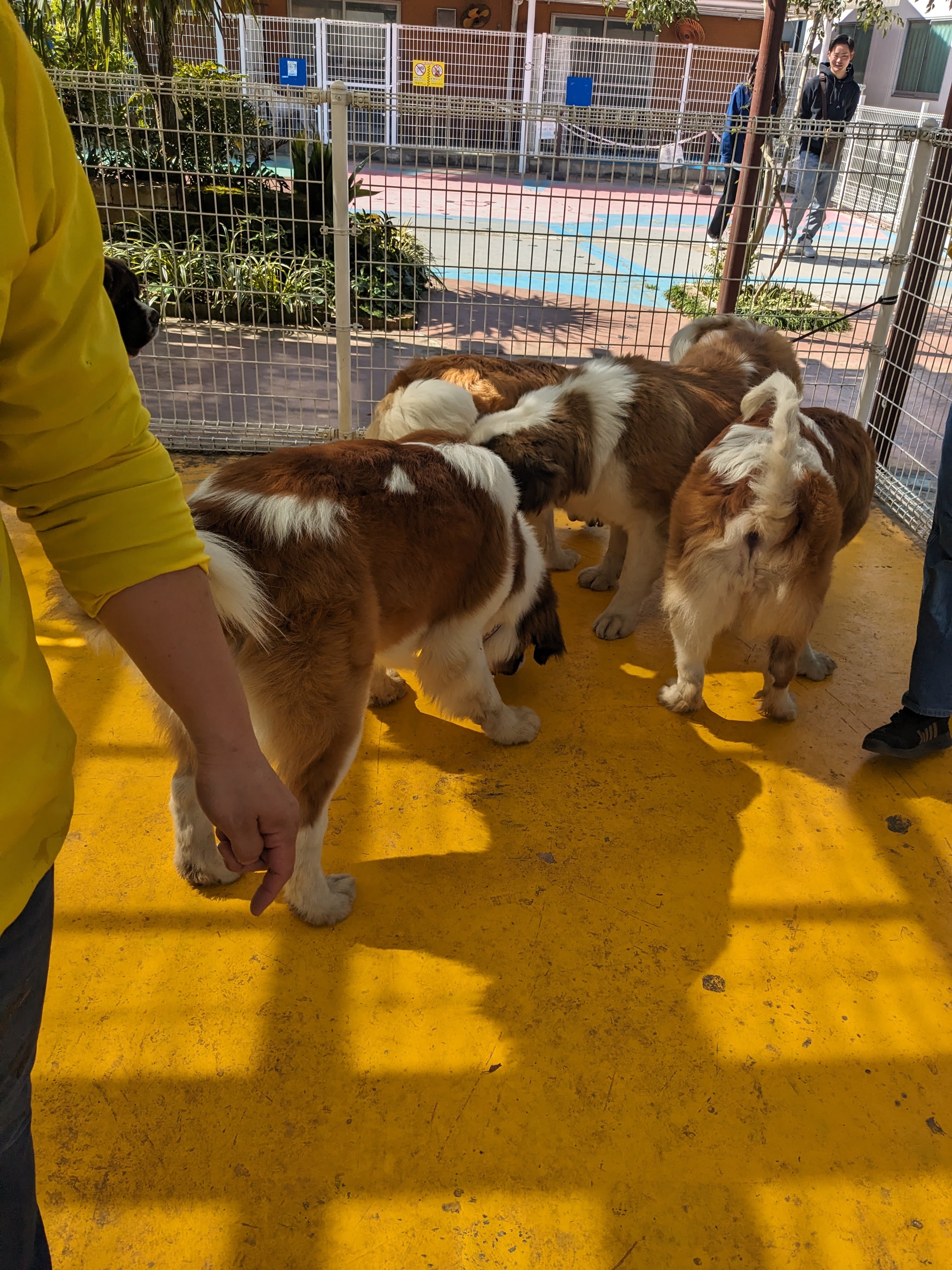 ▲ Several Saint Bernards on a bright yellow floor.
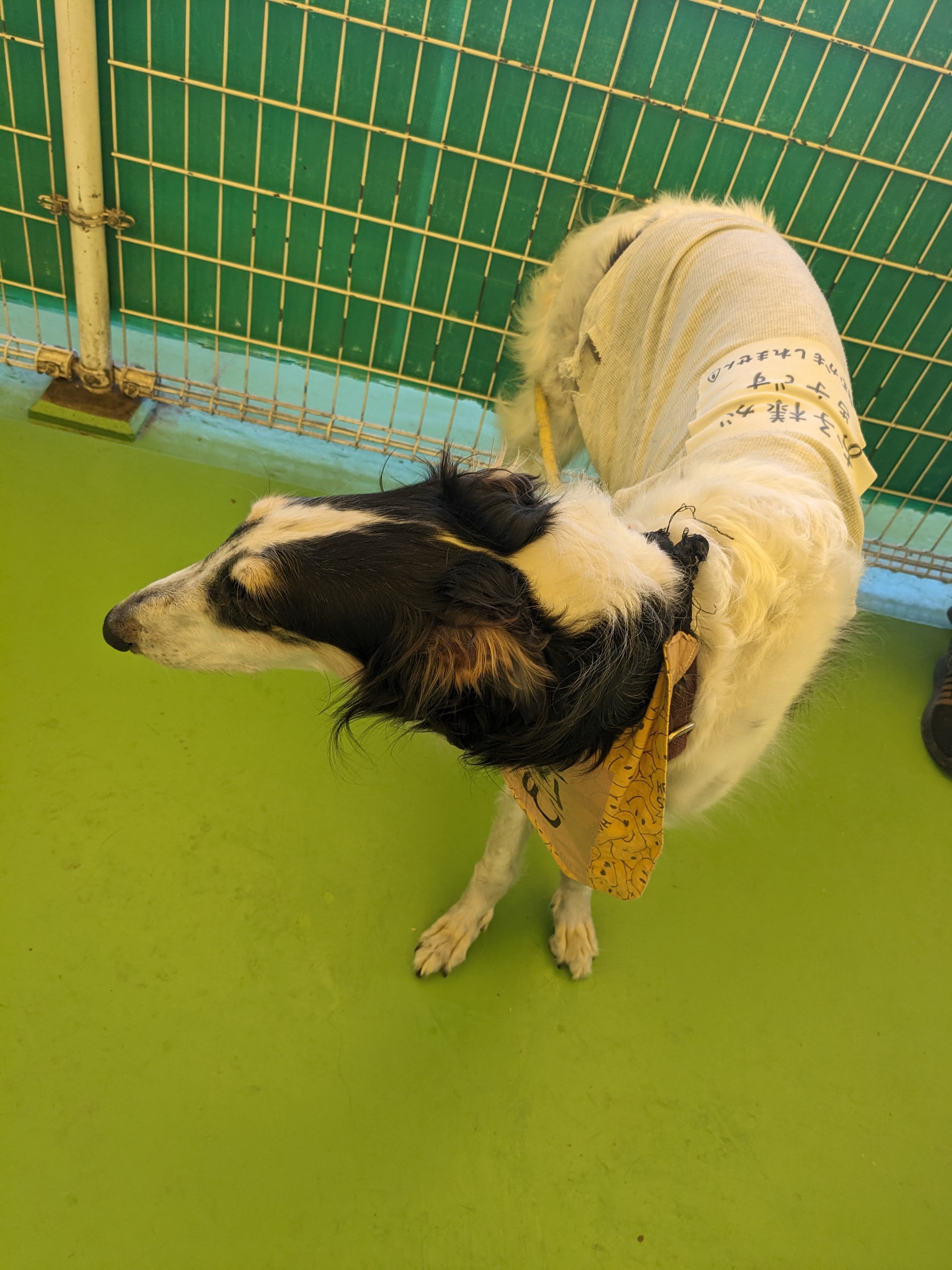 ▲ Borzoi-like sighthound; some dogs wear vests with behavior notes.
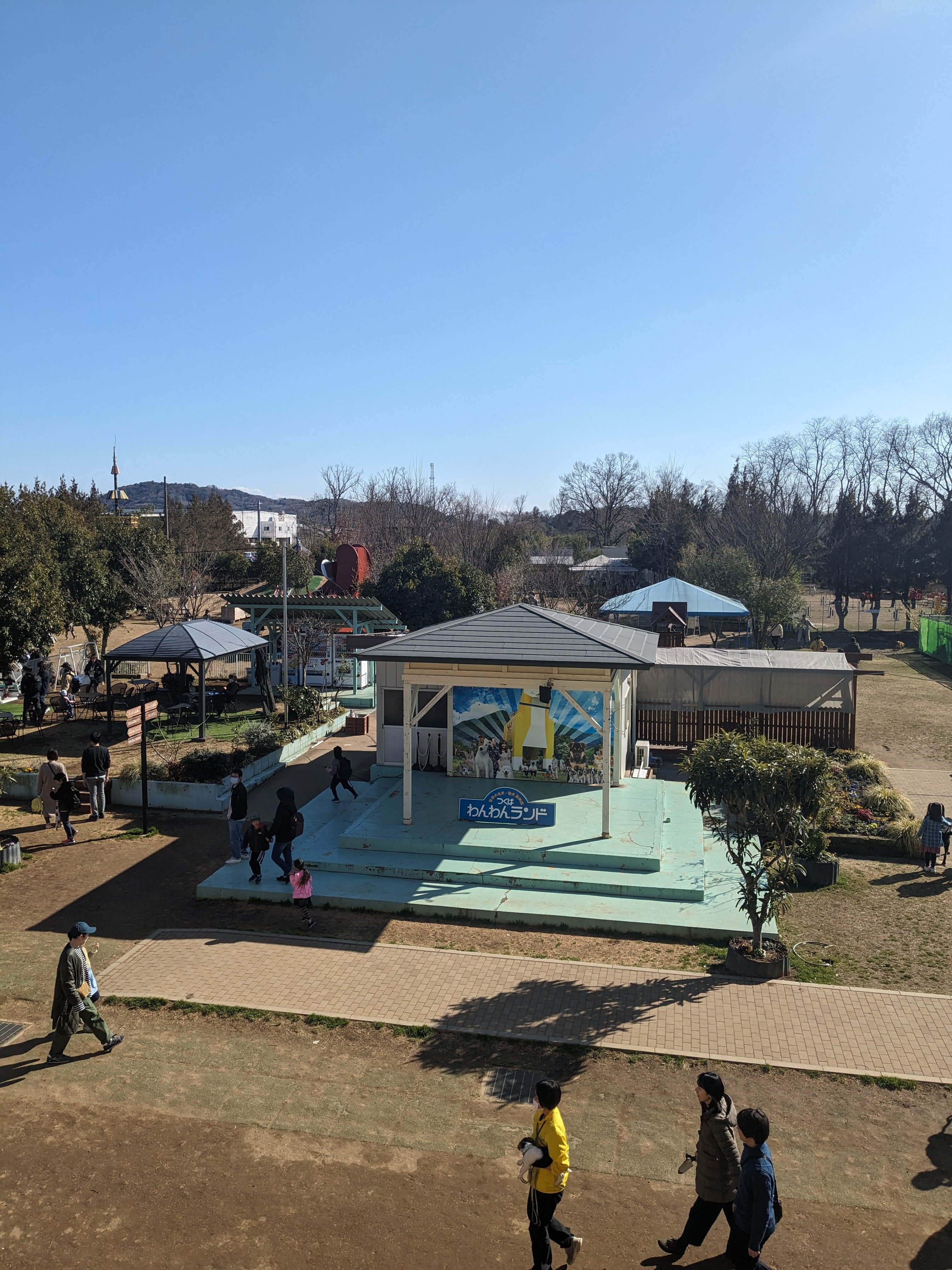 ▲ Indoor exhibit: eye contact with a dog through the fence.
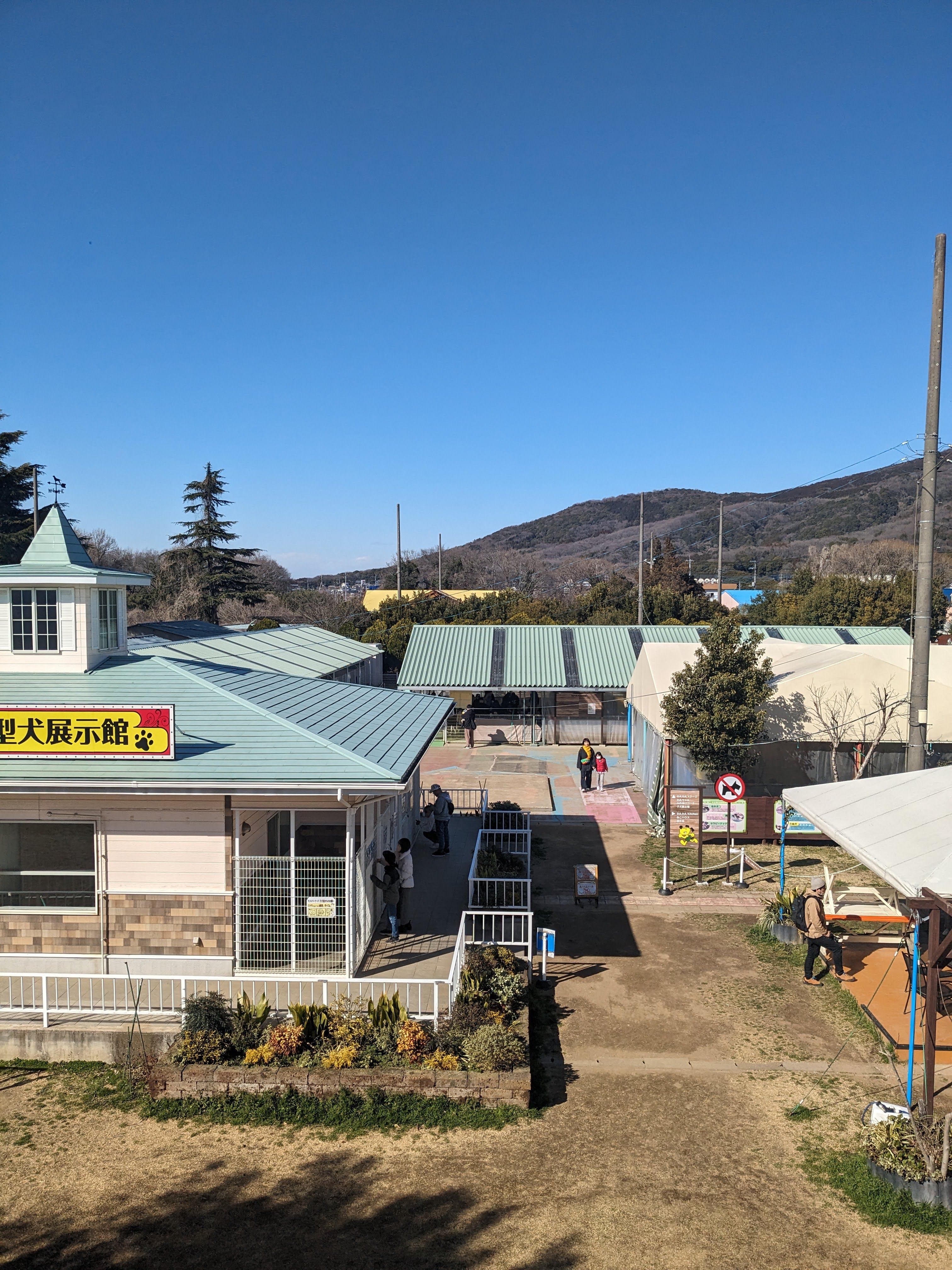 ▲ Multiple dogs resting; zones split by breed or type.
Small-breed zone and the park’s colour scheme
The small-breed zone draws families with children and the atmosphere shifts noticeably livelier. We also caught the staff moving dogs into position just before a show.
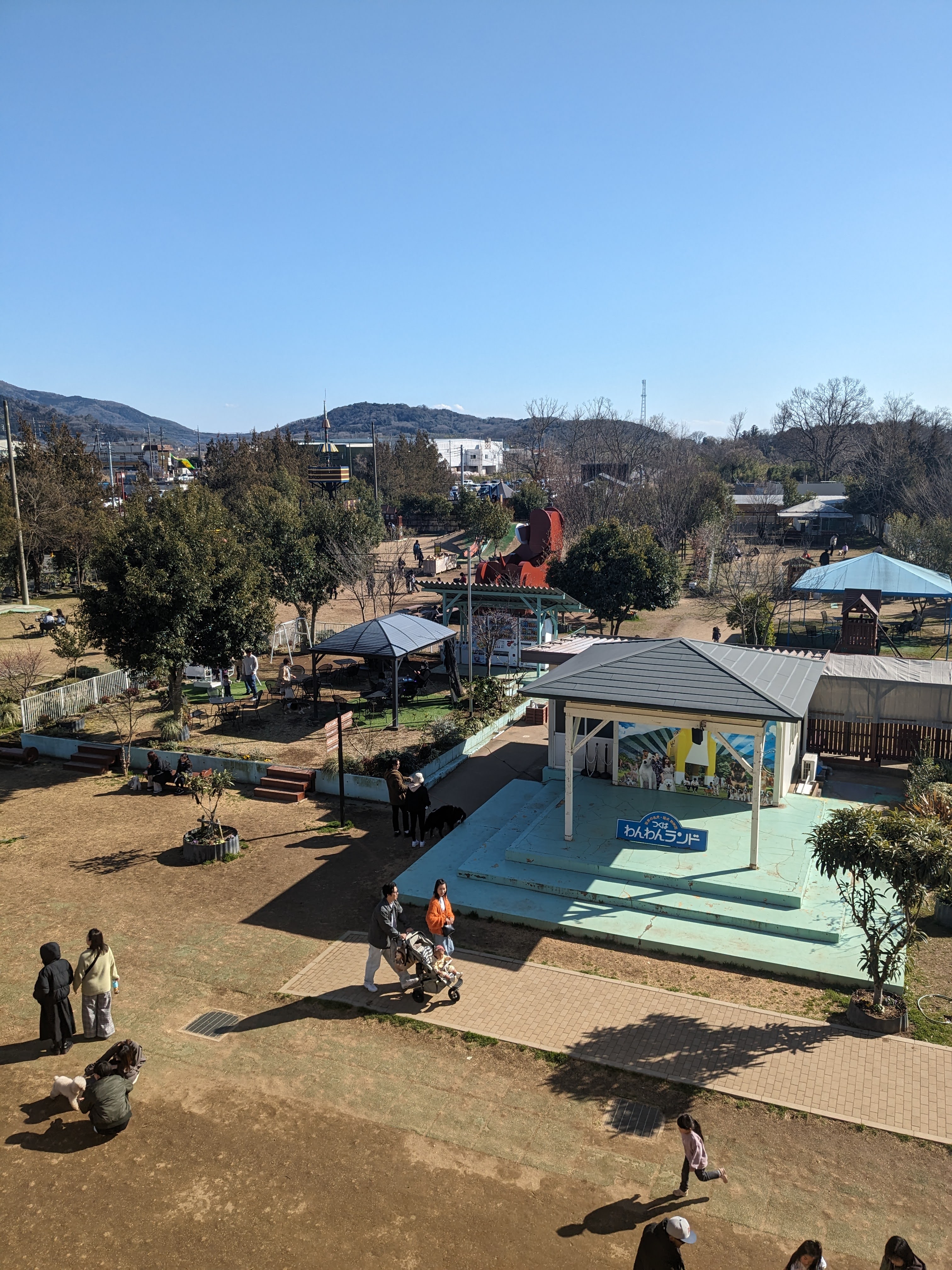
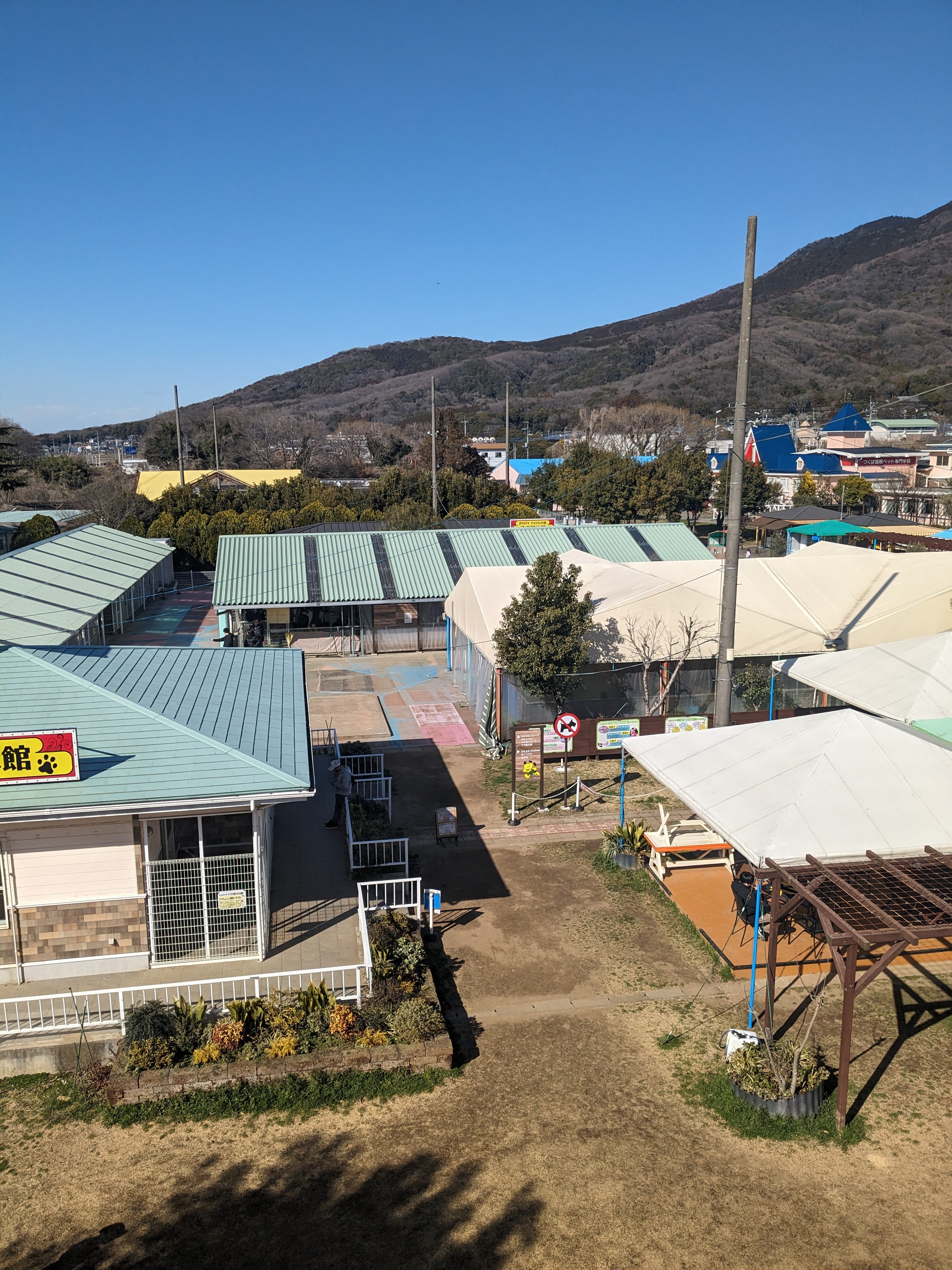
The park uses colourful flooring and fencing for an event-like feel, and the outdoor dog run photographs well on a clear day with blue sky behind it.
 ▲ Small-dog area—many families with children.
 ▲ Pre-show moment as staff move dogs into place.
 ▲ Colorful flooring and fencing—festival atmosphere.
 ▲ Outdoor dog plaza under blue sky.
The front gate map and today’s welcome dog
Next to the Tsukuba Wanwan Land sign at the front gate, an information board carries photos of the day’s welcome dogs. Getting the layout from the park map and A-frame signs near the entrance first made the visit more efficient.
Between meeting the dogs and walking the zones, a half-day plan disappears into a full one.
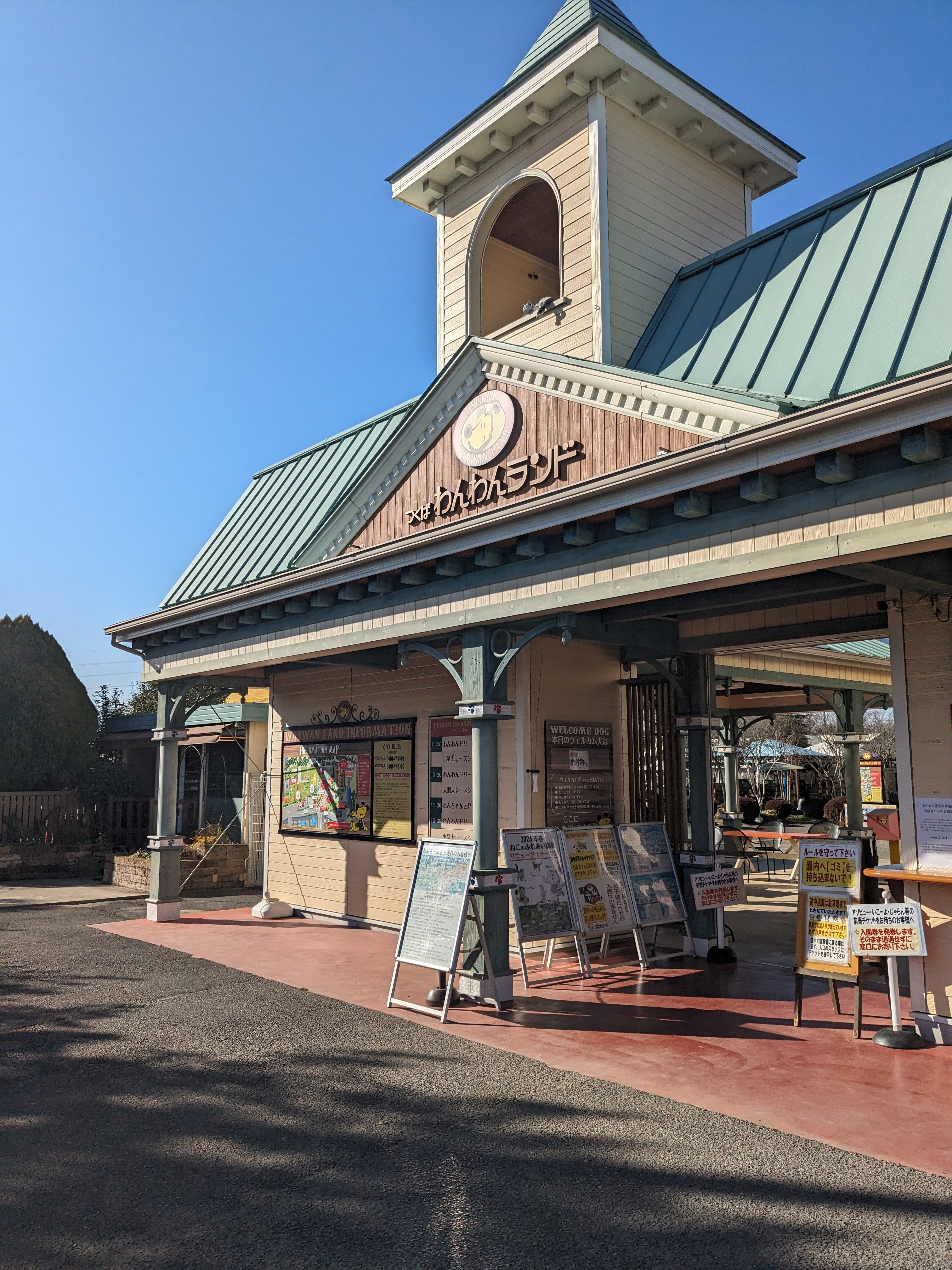 ▲ Main gate of Tsukuba Wanwan Land with welcome-dog photos.
 ▲ Park map and A-frame signs; long shadows (morning or late afternoon).
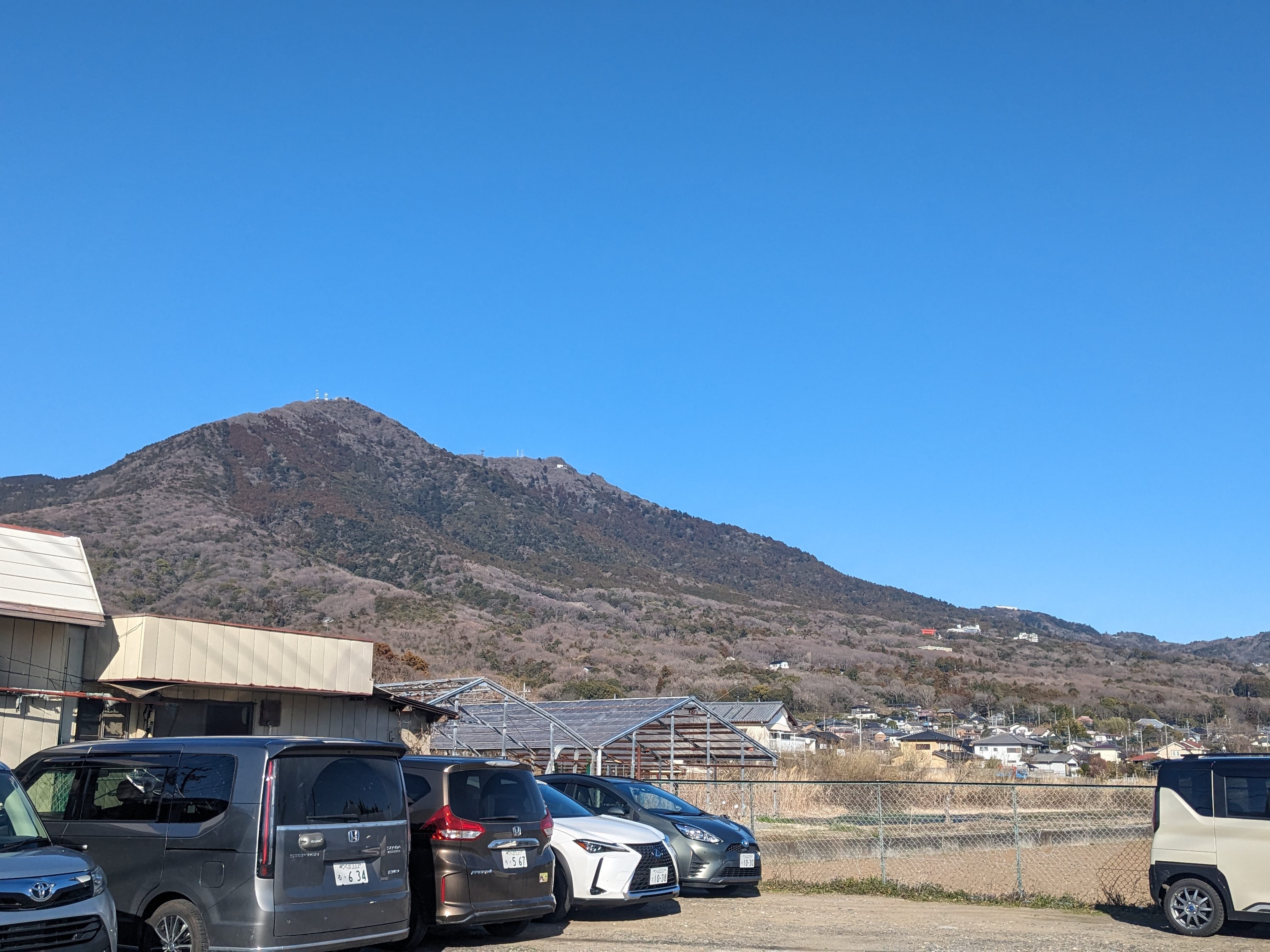
 ▲ Another park angle—easy to spend half a day with the dogs.
Wrap-up
Ibaraki lines up ocean (Oarai), garden (Kairakuen), city (Mito), and dog park (Wanwan Land) in half-day to full-day chunks. March is for plum; the aquarium works year-round; Wanwan Land shines on clear days outdoors.
Related posts
